
Besrey - Sep. 30 2026
Why Do Truly Safe Kids’ Balance Bikes Need So Many International Safety Tests?

F
Could edges, screws, or small parts create scratch or choking risks?
or many children, a balance bike is often the very first “vehicle” in their lives.
From the first glide to gradually learning how to control direction and balance, children slowly build coordination, confidence, and motor skills through riding, turning, falling, and getting back up again.
But for parents, beyond appearance and fun, the real concern is often:
“Is it truly safe?”
Especially when children ride frequently every day, many parents begin to wonder:
▪Why do some kids’ balance bikes become loose or unstable after long-term use?
▪After falls and impacts, are the frame and wheels still reliable?
▪Will the tires, wheel axles, and wheel structures remain stable over time?
▪Could edges, screws, or small parts create scratch or choking risks?
▪Are the handlebars, seat materials, plastics, and coatings safe for long-term child contact?
▪What exactly do ASTM F963, CPSIA, and CCPSA test?
▪Why do truly safe balance bikes need to go through so many safety tests?
In reality, a children’s balance bike designed for international markets must focus not only on riding experience, but also on international regulations and laboratory testing related to:
▪Structural stability
▪Impact durability
▪Wheel safety
▪Small parts safety
▪Material safety
▪Heavy metal restrictions
▪Phthalates restrictions
This article will help you understand:
What international safety tests children’s balance bikes must go through — and why these tests are so important for everyday riding safety.

Why Do Kids’ Balance Bikes Need So Many Safety Tests?
Children use balance bikes in very real and active ways.
They may:
▪Ride for long periods
▪Fall and collide
▪Push and pull the bike
▪Sit heavily on the frame
▪Repeatedly turn the handlebars
▪Frequently touch various materials
Because of this, a balance bike must do more than simply “ride.”
It must remain structurally and materially safe during:
▪Long-term use
▪Daily impacts
▪Real child interaction
▪Continuous material contact
This is why international children’s product regulations require extensive structural and material safety testing for kids’ balance bikes.
Why Is Structural Stability So Important for Balance Bikes?
For children’s balance bikes, stability is one of the most important safety factors.
If the structure is unstable, long-term use may eventually lead to:
▪Wobbling
▪Loose parts
▪Wheel misalignment
▪Axle abnormalities
▪Structural imbalance
These issues not only affect riding experience, but may also increase the risk of falls.
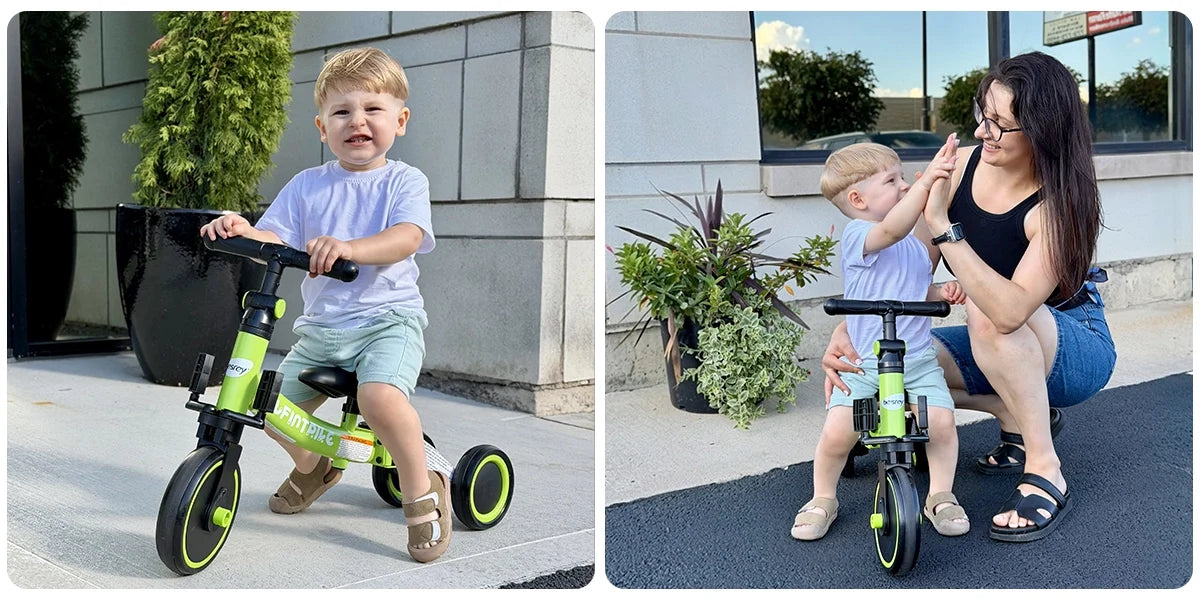
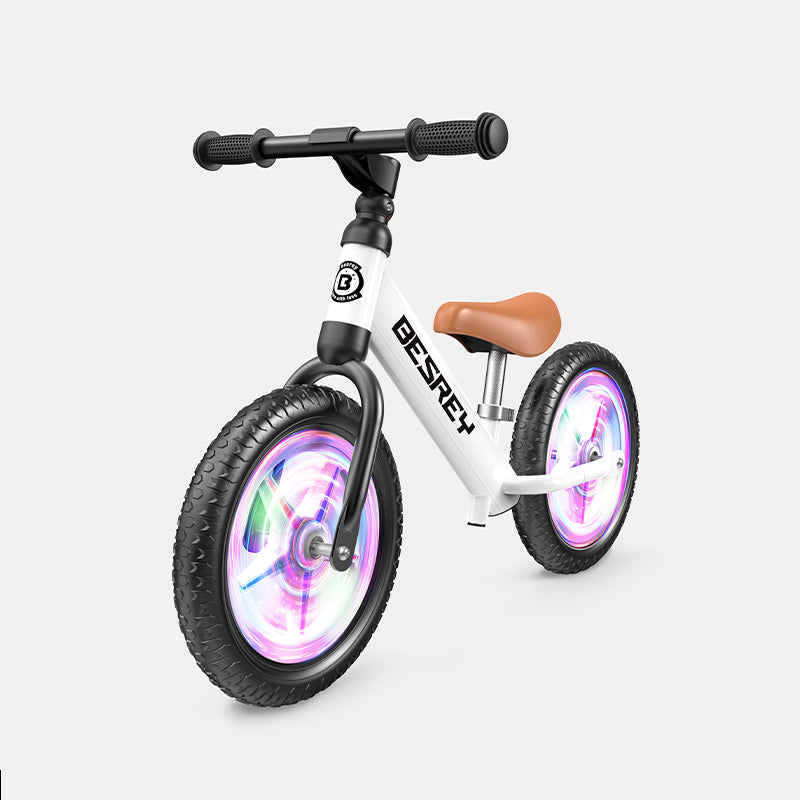
Besrey BR-KSE09 testing includes:
▪Stability and Over-load Requirements
▪Wheels, Tires and Axles testing
These tests help verify:
▪Long-term riding stability
▪Wheel structure reliability
▪Frame load-bearing performance
▪Structural safety after extended use
Helping reduce potential safety risks during children’s daily riding.
Why Do Children’s Products Need Impact, Torque, Tension, and Compression Tests?
Children’s real riding behavior is often more intense than expected.
For example:
▪Falling and collisions
▪Pulling and pushing the bike
▪Repeated handlebar turning
▪Excessive force
▪Long-term sitting pressure
Because of this, international children’s product testing evaluates not only static structures, but also simulated real-world use conditions involving:
▪Impact
▪Torque
▪Tension
▪Compression
Besrey BR-KSE09 testing includes:
▪Impact Test
▪Torque Test
▪Tension Test ▪Compression Test
These tests help verify structural reliability and durability under real child usage scenarios.

Why Are Small Parts and Sharp Edge Safety Equally Important?
For children’s products, parents often focus on the overall structure while overlooking details such as:
▪Small parts
▪Screws
▪Edges
▪Metal connection points
ASTM F963 children’s safety standards also include requirements related to:
▪Small parts
▪Accessible sharp edges
▪Accessible sharp points
These tests help reduce:
▪Choking risks from small parts
▪Scratch risks from sharp edges
▪Injury risks from sharp points
Helping improve children’s everyday riding safety.

Why Do Kids’ Balance Bikes Need Material Safety Testing?
For children, long-term contact is not limited to the frame itself.
Children also frequently touch:
▪Seats
▪Plastic components
▪Coatings
▪Surface printing
▪Stickers
▪Soft rubber materials
Because of this, European and North American children’s product regulations strictly restrict substances such as:
▪Lead
▪Mercury
▪Cadmium
▪Phthalates
Besrey BR-KSE09 testing includes:
▪Heavy metal testing
▪Phthalates testing
▪Surface coating testing
▪Plastic material testing
Testing covers multiple long-term contact areas including:
▪Seat materials
▪Coatings
▪Stickers
▪Plastic parts
▪Printed surfaces
These tests help reduce potential risks from long-term material contact.

What Do ASTM F963, CPSIA, and CCPSA Actually Mean?
1. ASTM F963 (U.S. Children’s Product Safety Standard)
ASTM F963 is one of the most important children’s product safety standards in the United States.
It mainly covers:
▪Mechanical structure safety
▪Small parts risks
▪Sharp edges and points
▪Impact and structural testing
▪Material safety
▪Flammability requirements
2. CPSIA (Consumer Product Safety Improvement Act)
CPSIA mainly regulates:
▪Lead content
▪Phthalates
▪Material safety
▪Children’s tracking labels
3. CCPSA (Canada Consumer Product Safety Act)
CCPSA is Canada’s children’s product safety regulation system.
It mainly involves:
▪Toxic element restrictions
▪Material safety
▪Surface coating safety
▪Chemical substance restrictions
How Does Besrey BR-KSE09 Build a Children’s Riding Safety System?
During product development, Besrey BR-KSE09 conducted testing and compliance verification according to U.S. and Canadian children’s product safety regulations.
The product currently complies with:
▪ASTM F963-23
▪CPSIA
▪16 CFR Part 1303
▪16 CFR Part 1307
▪16 CFR Part 1250
▪Canada CCPSA
▪SOR/2011-17
▪SOR/2016-188
▪SOR/2018-83
▪SOR/2016-193
▪Mercury Regulations SOR/2014-254
In addition to international compliance testing, the product also focuses on:
▪Real children’s riding scenarios
▪Long-term structural stability
▪Wheel structure reliability
▪Long-term material contact safety
▪Everyday riding durability
Besrey hopes to improve children’s everyday riding safety and reliability through a more systematic children’s product safety approach.
5 Things Parents Should Check Before Choosing a Kids’ Balance Bike
1. Does it comply with recognized children’s safety standards?
Prioritize products that comply with ASTM F963, CPSIA, CCPSA, and other international children’s product regulations.
2. Is the structure stable?
Long-term structural stability is extremely important.
3. Are the wheels and axles reliable?
Wheel and axle quality directly affect riding stability and safety.
4. Are there risks related to sharp edges or small parts?
Especially in areas children frequently touch.
5. Are the materials safe for long-term child contact?
Including seats, coatings, plastic components, and printed surfaces.

FAQ
What is ASTM F963?
ASTM F963 is one of the most important children’s product safety standards in the United States, covering mechanical structure, small parts, material safety, and more.
Why do children’s balance bikes need impact testing?
Because children may fall, collide, and repeatedly apply force during real riding scenarios, impact testing helps verify structural reliability.
Why do children’s products require phthalates testing?
Because some plastics and soft rubber materials may contain phthalates, international regulations strictly limit their content.
Why are wheels and axles important?
Wheel and axle structures directly affect riding stability and long-term safety.
Does Besrey BR-KSE09 comply with international children’s product safety standards?
Yes. Besrey BR-KSE09 complies with multiple international children’s product safety regulations including ASTM F963, CPSIA, and CCPSA.
Conclusion
For children, a truly safe balance bike needs to offer much more than simply “being rideable.”
It should establish a complete children’s safety system covering:
▪Structural stability
▪Impact durability
▪Wheel safety
▪Small parts safety
▪Material safety
▪International regulatory compliance
Understanding international children’s safety standards such as ASTM F963, CPSIA, and CCPSA can also help parents make more professional and confident purchasing decisions.
Besrey balance bike is designed and tested around these international children’s product safety requirements, aiming to provide children with a safer, more stable, and more reliable riding experience.