
Besrey - Dec.28 2025
How do I teach my child to ride a balance bike?

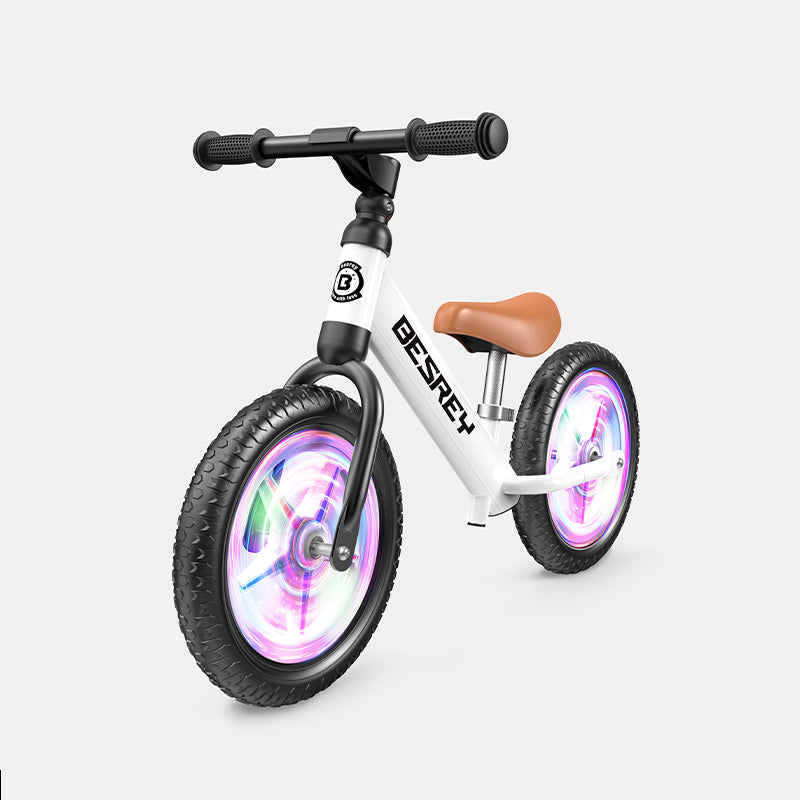
The most effective and easiest way for your child to get started in cycling is with a balance bike. This exciting learning experience is a cornerstone of a child's development. Traditionally, it's thought that the best way to teach is on a bicycle with training wheels, but a balance bike focuses on helping children develop balance, coordination, and confidence from the very beginning. Gradually, this skill will allow for the transition to a pedal bike.
In this balance bike training guide, we’ll walk parents’ step by step through the process of teaching a child to ride a balance bike—from the very first introduction to confident gliding. Whether you’re new to balance bikes or just looking for practical balance bike tips for parents, this guide will help you set your child up for success using a Balance Bike for Toddlers.
Getting Set Up for Success – Preparations Before the First Ride
First of all, it goes without saying that preparation is very important for the experience to be fun and rewarding. It's normal for children to feel scared and show apprehension about something new, riding a bicycle is one of them, therefore it's important to create the safest possible environment while your child practices it. We can share the following tips with you:
· Choosing the proper balance bike: Before buying a bicycle, you must make sure it is the right one for your child: size and weight make a big difference when your child starts taking their first steps, and the seat adjustment should allow them to touch the ground with their feet, creating comfort, safety, and a sense of control.
· Essential Safety gadgets: It's outstanding to ensure your child's safety, and wearing a helmet is a non-negotiable requirement, even for short outings. Likewise, appropriate footwear, such as closed-toe sneakers, is essential, and for added safety, gloves and knee pads are also necessary.
· Choosing the Best Environment: It's best to start in a flat, open, traffic-free area like a park, sidewalk, or backyard. Flat surfaces help children focus on learning balance without worrying about avoiding obstacles.
· Attitude is everything: The goal is practicality, not perfection. Avoid forcing your child if they feel tired or hesitant. Short sessions are more effective than a long, frustrating walk.
Step 1 – Learning to Walk with the Bike – The Very First Stage
The first step in teaching a child to ride a balance bike is creating a comfortable atmosphere with the bike itself. How do we achieve this? First, we can encourage them to walk alongside the bike while holding the handlebars. Then you can encourage him to get on the bike but without sitting down and just pushing himself up while walking. This will help them understand the mechanics of the bike's movement, how to steer it, and how to turn.

Step 2 – Sitting and Striding
Once your child feels confident walking with the bike, it's time to introduce the second step: sitting and striding.
Encourage your child to sit with both feet firmly on the ground and push themselves forward in small steps. Their movements will obviously look more like walking than riding, which is perfectly normal.
You should focus on: The direction should always be forward, hands should remain relaxed on the handlebars and make smooth steering movements.
This step is essential for teaching your child how to coordinate their legs and arms while maintaining balance. It's a stage that requires a lot of patience, and not all children are the same: some will master this stage easily, while others may take several sessions.
Step 3 – The Glide Stage
This is the stage where the real magic happens: the mastery of true balance.
Encourage your child to push off gently with their feet and then lift them slightly off the ground for a short time. Even a couple of seconds of gliding will be a great achievement. Eventually, they will gain enough confidence and begin gliding for longer distances.
What you can do as a parent during this stage:
· Say "Push, Push, Glide!": This phrase helps them link the running motion to the gliding phase.
· Avoid holding the handlebars; let your child learn on their own.
· Teach your child safe ways to fall or stop the bike using their feet, minimizing injury risk and fear.
This stage is crucial because this is where the ability to balance on two wheels is built, which is what is required to make a transition to a pedal bike.
Step 4 – Stopping and Control
The next step is learning how to stop carefully.
This activity involves teaching your child to control their speed and stop using their feet on the ground. As simple as it may seem, this requires practice and will help your child reduce their fear of falling. You can start by placing small obstacles as a kind of command game.
At this point, your child has already mastered steering control, awareness of what is happening around them, and enough confidence to start and stop independently.
Encouragement and Next Steps
Positively reinforcing learning when teaching your child to ride a balance bike should be a priority over speed or distance, as well as praising them without intending to compare them with other children.
You can also do:
▪Obstacle Courses:
▪Scavenger Hunts:
▪Balance Challenges:
Recognizing achievement:
▪Celebrate Small Successes:
▪Positive Feedback:
▪Consider keeping a photo or video diary of their progress to boost their confidence.
Once your child has mastered balance, control, and steer, consider this option if your child shows interest in the pedaling motion and if your child is physically ready.; you can then consider transitioning to a pedal bike.

Conclusion
Teaching your child to ride a balance bike is a rewarding experience that helps build confidence, coordination, and independence. By following this step-by-step balance bike training guide—starting with simple walking, progressing through striding and gliding, and finishing with control and stopping— you will be giving them the necessary tools to successfully master the skill of riding a bicycle.
With patience and determination, and by choosing the best balance bike for toddlers, most children learn to ride spontaneously and with joy. Best of all, the skills learned on a balance bike lay the foundation for a lifelong cycling experience.
Article credit:
https://woom.com/en_GB/learn-to-ride-a-bike
https://retrospec.com/blogs/gear-guides/how-to-ride-a-balance-bike
https://retrospec.com/collections/kids-balance-bikes#:~:text=A%20balance%20bike%20allows%20children,aged%2012%20to%2024%20months.
https://bikesonline.com.au/blogs/skills-technique/teaching-child-ride-balance bike#:~:text=First%20Steps%20with%20a%20Balance,make%20smoother%20and%20safer%20turns.
https://bikesonline.com.au/blogs/skills-technique/teaching-child-ride-balance-bike?srsltid=AfmBOooaFyW8Du0nxo6E-o-58gm6mCO8Pp1OAKOb0u8SfeCGuayom-ha