
Besrey - Mar 23 2026
How to Keep Indoor Toys Clean, Safe, and Easy to Care For

If you’ve ever watched your child drop a toy on the floor, chew on it five minutes later, or drag a scooter across the living room rug, you already know the challenge: kids’ toys get dirty fast—and keeping them clean can feel overwhelming. Many parents searching for how to clean kids' toys feel the same way, but the truth is that the way you clean them matters. A smart, simple routine not only cuts down your workload but also protects your child’s health and safety by reducing germ exposure on the items they touch (and sometimes taste) every day. Whether it’s plush animals, building blocks, electronic gadgets, or indoor ride-ons like a Tricycle for Toddlers, having a reliable, easy-to-follow system ensures your child’s favorite toys stay clean, safe, and ready for play.
Cleaning vs. Sanitizing vs. Disinfecting—What’s the Difference?
If you’ve ever stood in the cleaning aisle wondering which product you actually need for your child’s toys, you’re not alone. These three terms get thrown around a lot, but they don’t mean the same thing—and choosing the right one can save you time while keeping your child safer. Here’s the simple, parent-friendly breakdown:
Cleaning
If you’ve ever stood in the cleaning aisle wondering which product you actually need for your child’s toys, you’re not alone. These three terms get thrown around a lot, but they don’t mean the same thing—and choosing the right one can save you time while keeping your child safer. Here’s the simple, parent-friendly breakdown:
Sanitizing
This reduces bacteria on surfaces to safer levels after they’ve been cleaned. It’s particularly recommended for items frequently handled by children or shared between kids.
Disinfecting
This is the most powerful step—killing a wider range of germs and viruses. It’s generally used during illness, after playdates, or when toys are used by multiple children. Proper contact time (the time a product needs to sit) is essential for results.
In short: Clean daily, sanitize as needed, disinfect when extra protection is necessary.

A Practical By-Material Cleaning System
One of the biggest frustrations for parents is realizing that not all toys can be cleaned the same way. What works for plastic blocks could ruin wooden puzzles, and what’s safe for plush toys won’t help with electronic gadgets. Instead of guessing—and stressing—use this simple material-based approach. It takes the confusion out of cleaning and helps you keep every type of toy fresh, safe, and ready for play.
1. Plastic and Rubber Toys
These are the easiest to maintain and the safest to wash thoroughly.
● Wash with warm soapy water
● Rinse well
● Air-dry completely
● After cleaning, you can apply a mild household sanitizing solution for high-touch toys
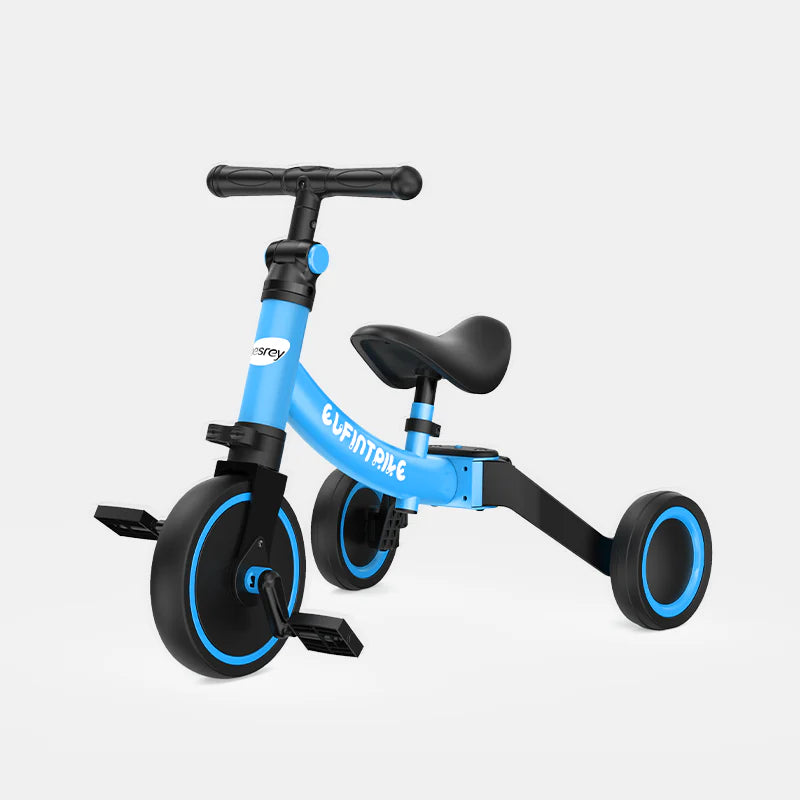
This works especially well for building blocks, bath toys, and the plastic components of a Tricycle for Toddlers.
2. Wooden Toys
Wood soaks up water easily, so avoid dunking.
● Wipe with a damp cloth
● Use mild soap only when needed
● A light acidic solution can be used to sanitize
● Dry immediately to prevent warping or mold
3. Fabric Toys (Plush toys, cloth books, soft dolls)
● Follow the care label
● Machine wash on a gentle cycle when possible
● Use a mesh bag for protection
● Air-dry thoroughly (especially plush toys)
4. Electronic Toys
These need special care because they cannot get wet.
● Turn off the toy and remove batteries
● Wipe with a lightly damp microfiber cloth
● For extra sanitizing, use a 70% alcohol wipe on hard, non-porous surfaces
● Keep liquids away from seams, ports, and screws
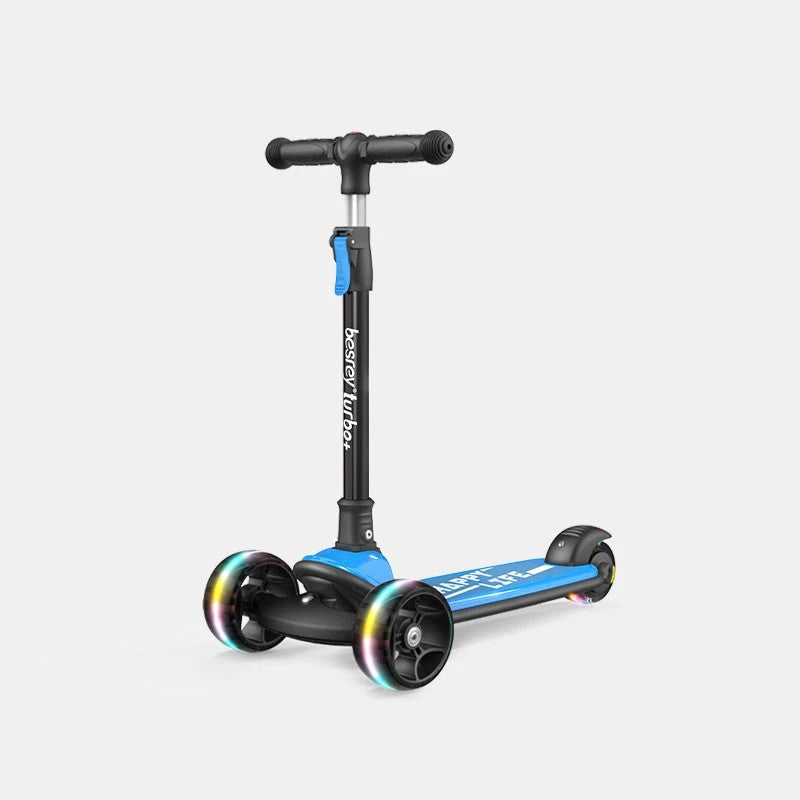
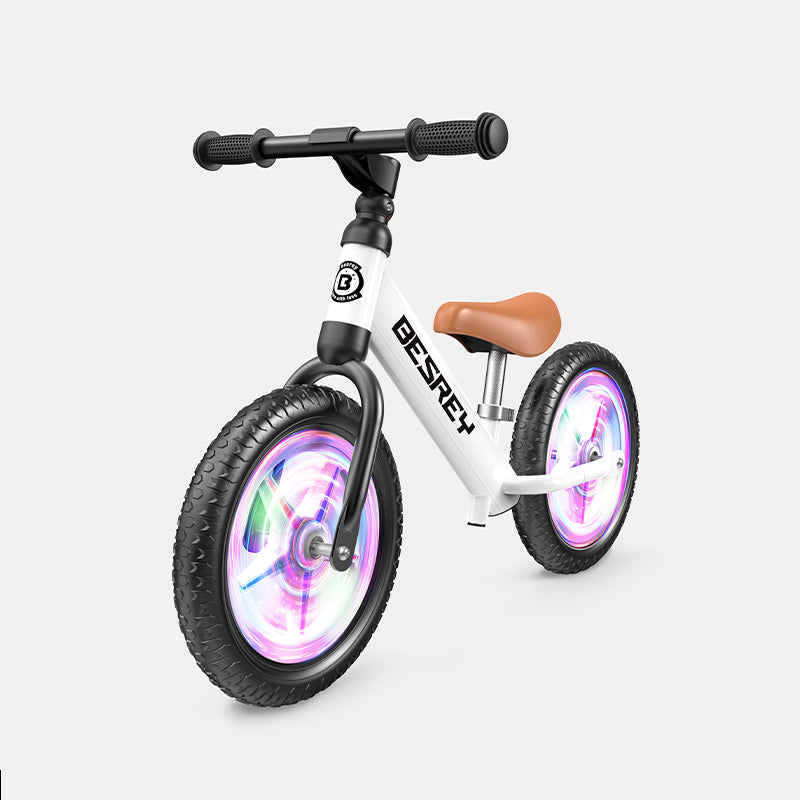
5. Scooters & Ride-On Toys (including indoor tricycles)
Parents often ask how to clean scooter wheels indoors without making a mess. Try this:
1. Place an old towel or washable mat on the floor
2. Use a brush to remove loose dirt or grit
3. Wipe wheels and frame with warm, soapy water
4. Follow with alcohol wipes for items used in public spaces
5. Let everything dry fully before placing it on indoor floors
This routine works well for scooters, balance bikes, and any Tricycle for Toddler used both indoors and outdoors.

How Often Should You Clean Toys?
Common health and early childhood care guidelines generally recommend:
Toy Type | Recommended Frequency |
|---|---|
Plastic toys | Weekly |
Bath toys | After every use |
Plush toys | Every 1–2 weeks |
Electronic toys | Weekly |
Scooters/trikes | Weekly or after outdoor use |
Shared toys | Daily quick sanitizing |
Toys that go into a child’s mouth should be cleaned more frequently.
How Often Should You Clean Toys?
A few smart choices can simplify your cleaning routine:
● Smooth, non-porous surfaces
● Machine-washable fabrics
● Minimal crevices and grooves
● Durable materials that tolerate frequent wiping
● Removable or modular parts for easy cleaningMany modern ride-on toys—including some Tricycle for Toddler models—are designed with easy cleaning in mind.
Safety Notes: Using Cleaners Around Kids
To keep cleaning safe and child-friendly:
● Avoid harsh chemicals on toys that young kids may mouth
● Use diluted, child-safe methods when possible
● Always allow toys to dry completely
● Ensure proper ventilation during cleaning
● Store all cleaning products well out of reach
● In many cases, simple soap and water is the safest and most effective first step
1. Can I use alcohol on children’s toys?
Yes—70% alcohol is effective on hard, non-porous surfaces. Avoid frequent use on painted wood or toys babies mouth.
2. Is sunlight enough to sanitize toys?
Sunlight can help reduce germs, but it’s not a reliable substitute for cleaning or sanitizing.
3. What if bath toys develop mold inside?
If you see mold inside squeeze-type bath toys, it’s best to discard them because the inside is hard to clean thoroughly.
4. How do I clean scooter wheels indoors without ruining my floors?
Use a towel, a dry brush, and warm, soapy water; let the wheels dry completely before setting them down.
Conclusion
A clean play environment doesn’t require complicated routines—it’s all about using the right method for each material, keeping a manageable schedule, and choosing toys that don’t add unnecessary work. Whether you're figuring out how to clean kids' toys, maintaining a Tricycle for Toddlers, or dealing with how to clean scooter wheels indoors, following reliable hygiene practices makes the process simple and safe.
Article credit:
Centers for Disease Control and Prevention (CDC). ‘’Cleaning and Disinfecting Your Home.’’https://www.cdc.gov/hygiene/cleaning-disinfecting/index.html?utm_source
Centers for Disease Control and Prevention (CDC). ‘’How to Clean and Disinfect Child Care Settings.’’https://www.cdc.gov/hygiene/about/how-to-clean-and-disinfect-early-care-and-education-settings.html?utm_source
Centers for Disease Control and Prevention (CDC). ‘’Cleaning Products and How to Use Them Safely.’’https://www.cdc.gov/hygiene/cleaning-disinfecting/cleaning-products.html?utm_source
Centers for Disease Control and Prevention (CDC). ‘’Cleaning and Disinfection FAQ.’’https://www.cdc.gov/hygiene/cleaning-disinfecting/cleaning-and-disinfection-faq.html?utm_source
HealthyChildren.org (American Academy of Pediatrics). ‘’Home Safety & Cleaning Guidance.’’https://www.healthychildren.org/English/safety-prevention/all-around/Pages/How-to-Keep-Your-Home-Safe.aspx?utm_source
HealthyChildren.org (American Academy of Pediatrics). ‘’Mold and Children’s Health.’’https://www.healthychildren.org/English/health-issues/conditions/allergies-asthma/Pages/mold.aspx?utm_source