
Besrey - Aug 30 2026
What to Look for in a Toddler Tricycle: Safety, Comfort, and Growth Features

Choosing a toddler tricycle can feel simple at first. But once parents start comparing different models, the details quickly matter: Does it have a push handle? Is the seat adjustable? Can your child reach the pedals? Is it easy to store?
The best toddler tricycle is not always the one with the most features. It is the one that fits your child’s age, riding confidence, home space, and daily routine.
This guide breaks down the key safety, comfort, and growth features parents should check before buying.
Why Toddler Tricycle Features Matter
A toddler tricycle is often one of a child’s first ride-on toys. The right features can make riding easier, safer, and more enjoyable.
For younger toddlers, parent-control features are usually more important. For older toddlers, pedal reach, steering, and independent riding comfort become bigger priorities.
For younger toddlers, parent-control features are usually more important. For older toddlers, pedal reach, steering, and independent riding comfort become bigger priorities.
Safety Features Parents Should Check First
Safety should always come before color, style, or price. Toddlers are still developing balance, coordination, and judgment, so the tricycle should offer stable support.
Safety Belt
A safety belt helps younger toddlers sit more securely, especially when they are still learning how to stay balanced.
It is most useful for children around 18 months to 2 years old. However, a safety belt should never replace adult supervision.
Guardrail
A guardrail gives extra side support for younger riders. It can help children feel more stable during parent-guided rides.
This feature is especially helpful before a child is ready for full independent pedaling.
Parent Push Handle
A parent push handle is one of the most practical features for younger toddlers.
It allows parents to guide direction and control speed during walks, park trips, or sidewalk rides. If your child gets tired or distracted, the push handle keeps the ride manageable.
For many families, a toddler tricycle with push handle is easier to use during daily outdoor time.
Stable Wheelbase
A stable wheelbase helps the tricycle feel balanced on flat surfaces. This is especially important for beginners who may lean or turn suddenly.
Parents should still avoid steep slopes, wet ground, stairs, and uneven riding areas.
Footrest and Non-Slip Pedals
Younger toddlers may not be ready to pedal yet. A footrest gives them a place to rest their feet during parent-guided rides.
As children start pedaling, non-slip pedals help their feet stay in place.
Comfort Features That Affect Daily Use
A tricycle may look good online, but if it is uncomfortable, your child may stop using it quickly.
Adjustable Seat
Toddlers grow fast. An adjustable seat helps the tricycle fit better over time.
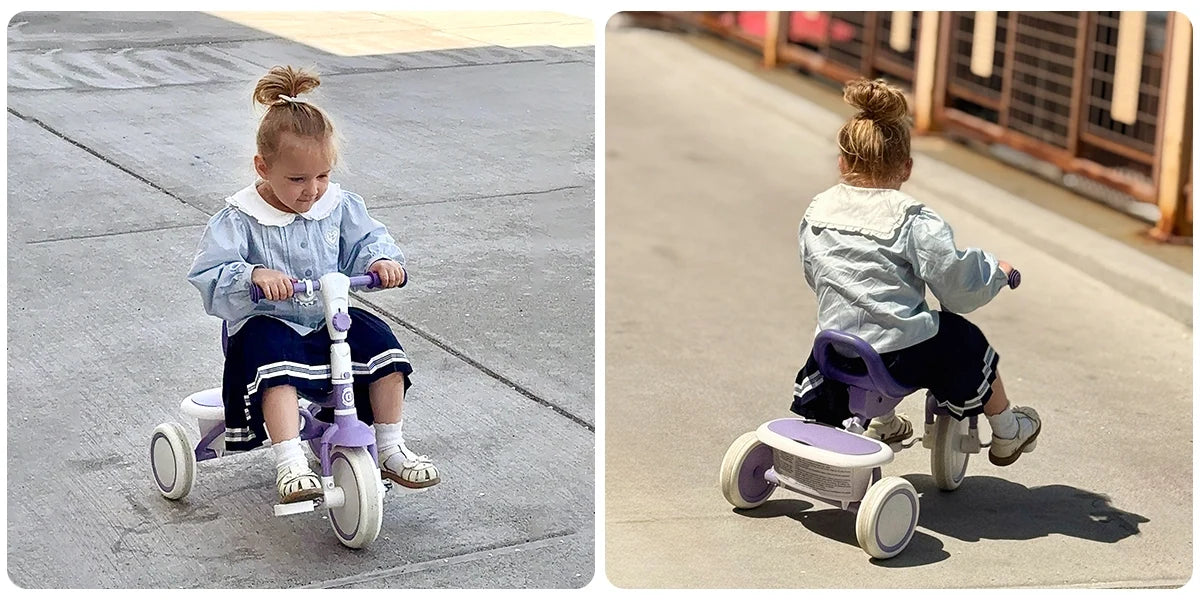
The seat should allow your child to sit naturally, reach the pedals or footrest, and hold the handlebar without stretching.
Proper Pedal Reach
Pedal reach is one of the most important details parents often overlook.
If the pedals are too far away, your child may feel frustrated. If they are too close, riding can feel cramped. A good fit makes learning easier.
Comfortable Backrest
A backrest is helpful for younger toddlers or longer parent-guided rides. It gives extra support when the child is still building sitting stability.
Easy-Grip Handlebar
A handlebar should be easy for small hands to hold. This helps toddlers practice steering and feel more in control.
Growth Features That Make a Tricycle Last Longer
Some tricycles are designed for only one stage. Others can adjust as the child grows. If you want longer use, growth-friendly features are worth checking.
Convertible Riding Modes
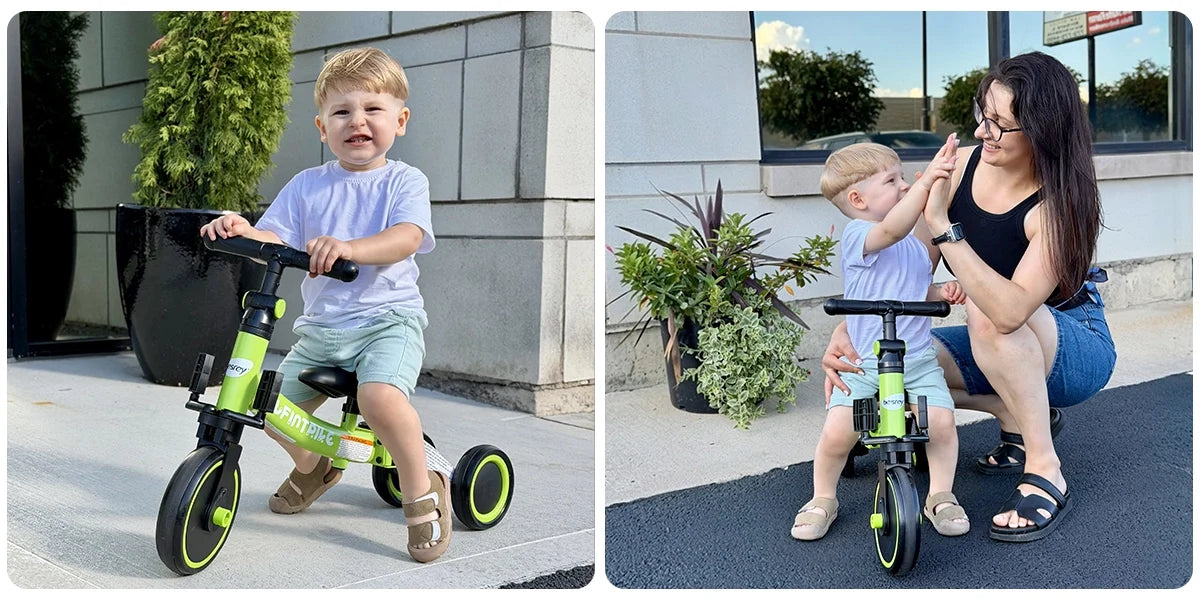
A convertible toddler tricycle can support different stages, such as parent-guided riding, pedal learning, and independent riding.
This can be helpful if your child is still young but you want a tricycle that will not be outgrown too quickly.
Removable Parent-Control Parts
As your child becomes more confident, features like the push handle, guardrail, or footrest may no longer be needed.
Removable parts allow the tricycle to feel more age-appropriate over time.
Adjustable Design
Adjustable seats, handlebars, and riding modes help the tricycle adapt to your child’s height and ability.
This is especially useful for families buying a tricycle for a child around 18 months to 2 years old.
Multi-Stage Designs
A 5-in-1 or 7-in-1 toddler tricycle can be useful if you want one product for several riding stages.
The key is to check whether your family will actually use those modes. More features are only valuable if they match your child’s needs.
Storage and Travel Features to Consider
Storage may not seem important before buying, but it matters after the tricycle arrives.
Storage and Travel Features to Consider
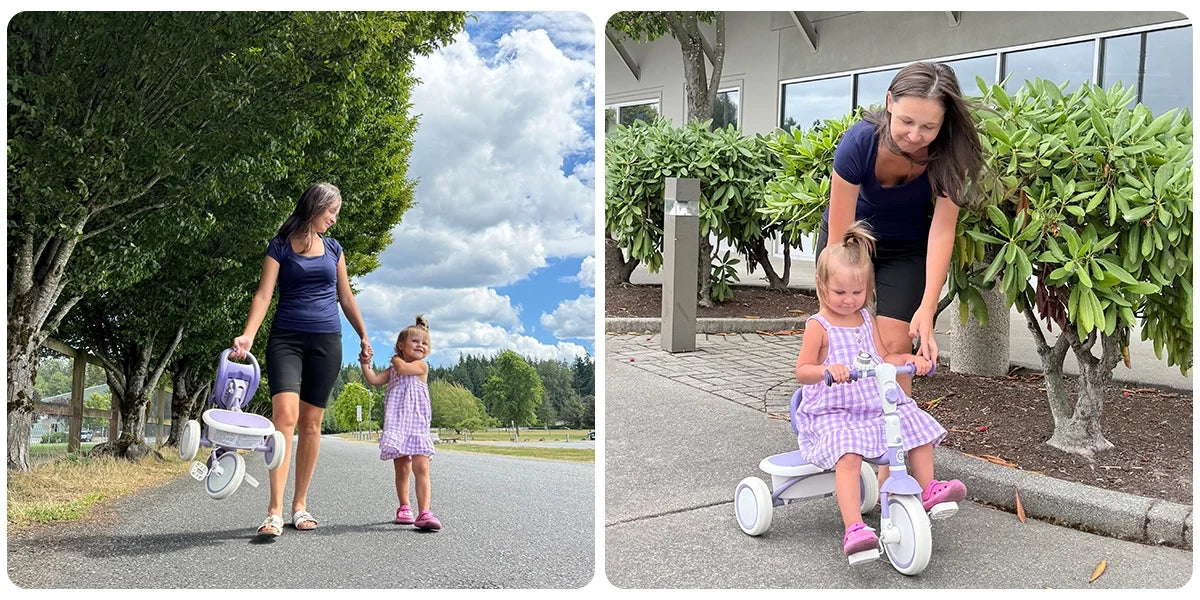
A foldable toddler tricycle is helpful for small apartments, car trunks, and families who often visit parks.
If storage space is limited, folding can make the tricycle much easier to use regularly.
Lightweight Design
Parents may need to carry or move the tricycle often. A lighter design is helpful for stairs, travel, and daily storage.
Compact Size
A compact tricycle works better for small homes, patios, and shared storage areas.
Before buying, think about where the tricycle will stay when it is not being used.
Easy Cleaning
Outdoor rides can leave dirt on wheels and frames. A tricycle that is easy to wipe down will be more convenient for everyday use.
Toddler Tricycle Feature Checklist
Use this checklist before choosing a tricycle:
Feature | Why It Matters | Best For |
|---|---|---|
Parent push handle | Helps parents guide direction | 18 months-2 years |
Safety belt | Helps younger toddlers sit securely | Early riding stage |
Adjustable seat | Improves long-term fit | Growing toddlers |
Footrest | Useful before pedaling | Younger riders |
Foldable frame | Saves storage space | Small homes and travel |
Stable wheels | Supports smoother riding | Outdoor use |
This type of checklist helps parents compare real usability instead of choosing only by appearance.
Common Features Parents Overlook
Many parents focus on the main product photo and miss smaller details that affect daily use.
Seat Height
Always check whether the seat height works for your child now. A tricycle that is too big may not be safe or comfortable.
Weight Limit
Weight limit matters for long-term use. Make sure the tricycle can support your child’s current size and near-future growth.
Riding Surface
Think about where your child will ride most often. Backyard, sidewalk, park path, and indoor floor surfaces all feel different.
Mode Switching
If a tricycle has multiple modes, check whether switching between them is simple. Complicated adjustments may reduce how often parents use the features.
How to Choose the Right Features for Your Family
If your child is younger, prioritize a parent push handle, safety belt, footrest, and stable wheels.
If your child is older, focus more on pedal reach, steering control, seat comfort, and outdoor durability.
Families with limited space should also compare foldable toddler tricycle options. Storage, portability, and ease of cleaning can make a big difference in daily use.
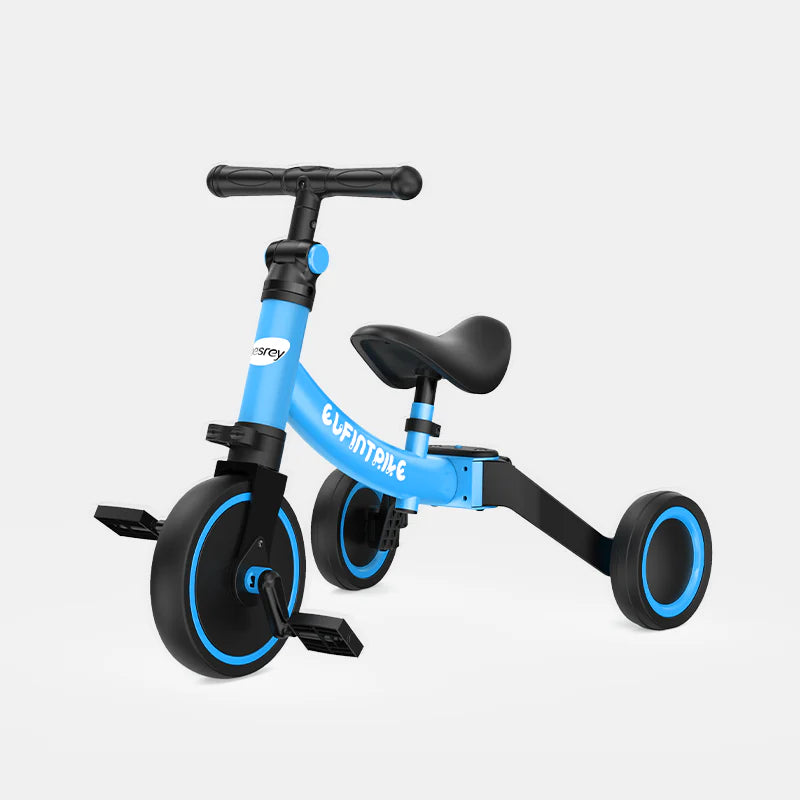
Parents comparing a kids tricycle can explore Besrey toddler tricycles for designs that support different riding stages, from parent-guided walks to more independent outdoor play.
Conclusion
The best toddler tricycle features are the ones your child and family will actually use.
For younger toddlers, safety belt, guardrail, parent push handle, and footrest are important. For older toddlers, adjustable seating, pedal reach, steering comfort, and durable wheels matter more.
Before buying, look beyond color and style. Choose a tricycle that fits your child’s current stage, supports safe supervised riding, and works for your home, storage space, and outdoor routine.