
Besrey - Jan 27 2026
Best Play Tent Floor Mats: Foam Tiles vs. Quilted Pads vs. Rugs

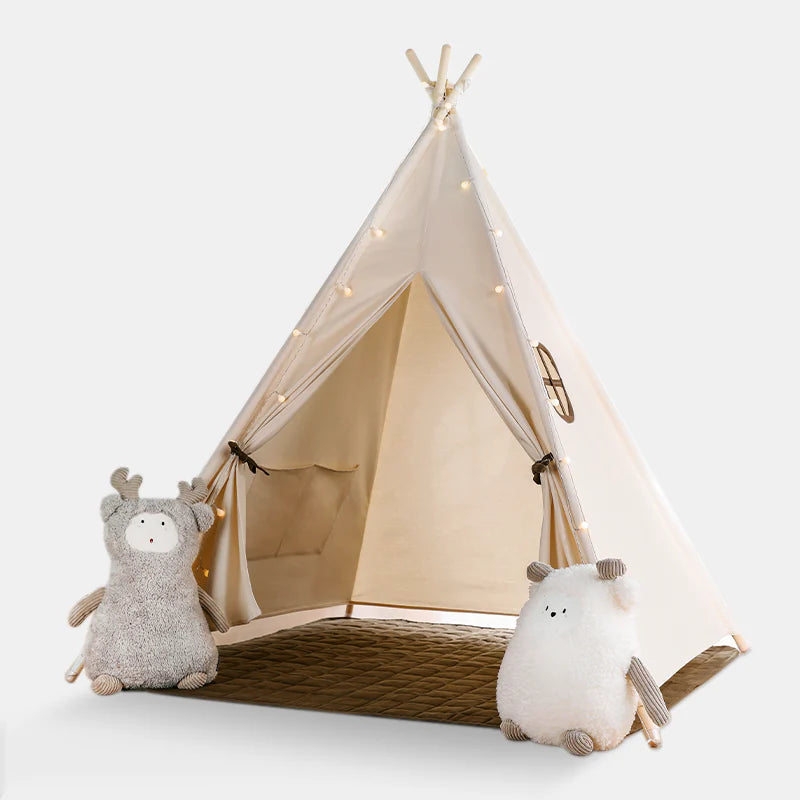
When we, as parents, decide to buy a kids' play tent, we often focus on its features: color, durability, design, and how much fun it will be for the little ones. But we often forget something very important: the floor mat underneath. Choosing the best play tent floor mat can make all the difference when it comes to comfort, safety, and long-term maintenance.
Whatever your lifestyle, there's always a perfect option for you. In this guide, we'll help you unravel the features of foam tiles, quilted pads, and rugs, helping you understand which option is best for your family. We also include cleaning strategies and how to save space in the play area, keeping it organized and ready for your children's playtime.
What “Cushioning & Cleanup” Really Mean
Before comparing products, we must be clear and understand two important considerations that every parent should take into account when choosing a play tent floor mat:
Cushioning
In simple terms, we can define cushioning as absorbing shock and softening impact. Now, regarding tents, children don't usually just sit when they play inside: they jump, roll, lie down, or eat something while they paint. A good playmat should:
· Adds padding to absorb shock
· Shock absorption for safe tumbles
· Support for extended comfort, especially during story time or imaginative play.
The best play tent floor mat should feel like a mini playground cushion underfoot, which allows them to perform their activities comfortably and protected from low impacts.
Cleanup
We must remember that children tend to snack while playing, unintentionally throwing away leftovers, which means it's time to clean up. A quality floor mat should help, not hinder, post-play cleaning:
· Stain & Water Resistance
· Machine Washable
· Easy-wipe surfaces
· Quick drying times
Balancing these two terms is not complicated: you must find a balance between softness for your children and making the mat easy to clean for parents.
Foam Tiles
What do we mean by foam tiles? Foam tiles are designed to cushion the impact of children's play. They are generally used in play areas or gyms. They are like large puzzles, with different patterns and designs, and are suitable for children.
What are its advantages?
1. Safety & Materials: They are made of non-toxic materials free of lead, phthalates, latex, and BPA. The primary material EVA (Ethylene-Vinyl Acetate) is a safe and durable option.
2. Shock Absorption: Essential for protecting kids during active play, with higher density foams offering better protection.
3. Allow customization for any space and are easy to assemble/disassemble.
4. Waterproof, stain-resistant, and wipeable surfaces simplify cleanup.
5. High-density foam resists wear and tear from constant use.
You should consider that:
· Not Always Waterproof: foam tiles can absorb liquid if spills are left too long.
· Durability Issues: Softer foams can be easily damaged by sharp objects or furniture, leading to dents or tears.
· Chemical Concerns: May contain potentially harmful chemicals like formamide (in EVA foam)
· Visible seams and shifting tiles over time
· Thinner than tumbling mats or premium play mats, offering less support
Best For: Families with very active toddlers or kids who love to jump, tumble, and play rough.

Quilted Pads
Quilted pads are soft, and it is made up of three different layers and the quilted fabric is known for its insulation properties and heat retention. Quilted fabric is known for its durability.
What are its advantages?
1. Enhanced Comfort and Support: The extra padding helps absorb impact from tumbles and falls during play, reducing the risk of minor injuries.
2. Cozy Surface: Quilted material often uses natural fibers like cotton, which offers a plush, inviting feel that encourages longer, more content play or rest times.
3. Many quilted pads are machine washable and dryer-friendly.
4. Customizable: Available in multiple colors, allowing for creative play area designs.
5. Portable: Lightweight and easy to move or store.
You should consider that:
· Cleaning Challenges: Liquids can seep into seams, requiring disassembly for thorough cleaning and drying.
· Not for All Uses: Too soft for activities like jumping; not a substitute for high-fall-height safety mats.
· Slippery: may have less grip, especially when dry, and may slip.
Best For: Quiet playtimes, reading nooks, and kids who prefer calm imaginative play over rough or active play.
Rugs
Rugs are probably the best known when it comes to floor coverings. A kid rug is a soft, durable floor covering designed for children's play areas, featuring bright colors, fun, and soft materials to provide a comfortable, cushioned, and stimulating surface for kids to play and learn on, protecting them from hard floors and adding decor.
What are its advantages?
1. Provides cushioning for falls, and creates a warm, inviting play zone.
2. Spark imagination and learning.
3. Rugs can absorb sound much more effectively than hard surfaces, creating a quieter environment for the rest of the household.
4. Defined Space: making it feel cozier and more organized.
You should consider that:
· Cleaning Challenges: High-pile or shag rugs trap dirt and allergens; some materials (silk, viscose) stain easily.
· Durability and Longevity: While some materials are durable, children's constant, heavy use can lead to wear and tear.
· Provides minimal cushioning.
Best For: Go with a low-pile, machine-washable synthetic or cotton rug; for natural comfort and durability, consider wool or organic cotton.
Small-Space Storage & Rotation Plan
If you have a small or limited space, don't worry! Proper storage and a rotation plan will keep things in their place and organized. Here's what you can do:
Smart Storage Tips
· Vertical Storage: To prevent damage, you can store square rugs vertically if tied securely.
· Breathable Bags: Use breathable fabric bags or tubes (especially for wool/silk) to protect from dirt, pests, and moisture, while still allowing air circulation.
· Under Furniture: If space allows, tuck smaller rugs under beds or sofas if they are clean and dry.
Rug Rotation
•Rotate between foam tiles for active play and quilts for calm play.
•Swap out rugs seasonally or as needed to refresh the look and give each rug a break, ensuring stored ones stay protected.
•Rotate out pieces that are show signs of wear to keep your kids play tent space secure and new for your child.

Cleaning Schedule
Maintaining the play area shouldn't be a fussy business. Here’s a simple weekly cleaning plan:
· Daily/As Needed: Use vacuum to remove surface crumbs and dirt from high-traffic areas. It can be a quick vacuum.
· Weekly:
1. Rugs: Vacuum thoroughly, moving in multiple directions; disengage the beater bar and avoid edges to prevent fraying.
2. Foam tiles: Wipe with mild soap and water; air-dry.
3. Quilted pads: Remove cover (if possible) and machine wash according to label.
· Monthly: A thorough cleaning is recommended, and the condition of the parts should be checked and replaced if necessary.
· Every 3-6 Months (or more for heavy use/allergies): Professional cleaning maintains rug appearance and eliminates embedded bacteria and allergens.
Quarterly: If possible rotate rugs for even wear.
Conclusion
Choosing the best play tent floor mat directly influences how your child will use it. You should consider maintenance and cleaning, and how well the space fits with your home's decor. Any of these options are valid and add significant value to your home, maximizing comfort and versatility.
Article credit:
https://tokikids.com/blogs/tokimats-blog/how-to-care-for-your-play-mat?_ab=0&_fd=0&_sc=1&srsltid=AfmBOorHIT-2iNiKLTFhb08r_vMy5tieNv3hP_XGVxTZDoFucE7VBHAS
https://graceandmaggie.com.au/blogs/play-mat-ideas/how-do-i-clean-my-playmat#:~:text=Steps%20to%20a%20Simple%20Clean%20of%20your%20Playmat&text=Step%20One:%20simply%20shake%20it,and%20looking%20good%20as%20new
https://luxkinglife.com.au/blogs/news/messy-kids-no-problem-discover-easy-clean-cloud-mats-by-luxkinglife
https://www.smartplayrooms.com/blogs/play-smart-blog/unlocking-the-benefits-of-foam-mats-for-your-childrens-playroom
https://www.thehouseofnoa.com/blogs/news/play-mats-vs-tumbling-mats-vs-foam-tiles-how-to-choose-the-right-fit-for-active-kids#:~:text=Foam%20tiles%20are%20interlocking%20floor,trimmed%20to%20fit%20your%20space
https://viscosoft.com/blogs/dream-journal/all-about-quilted-mattress-toppers-and-pads
https://www.greatmats.com/pros-and-cons-of-foam-play-mats.php#:~:text=Durability%20can%20vary%20when%20you,like%20our%20Folding%20Gym%20Mats
https://carpetnow.com/advantages-of-carpets-in-kids-rooms/#:~:text=Anyone%20with%20children%20knows%20that,the%20rest%20of%20the%20household
https://www.jaipurrugs.com/blog/guide-how-to-store-a-rug-for-long-term#:~:text=on%20a%20shelf.-,Rug%20Storage%20Solutions%20for%20Small%20Spaces,silk%20carpets%20and%20wool%20rugs
https://blog.kaplanco.com/cleaning-kaplan-exclusive-carpets#:~:text=Routine%20Vacuuming,you%20meet%20their%20cleaning%20standards