
Besrey - Mar 28 2026
How to Choose the Right Balance Bike for Your 2- to 4-Year-Old in 2026

● Smooth pavement → EVA tires
● Mixed terrain or grass → Air tires
Choosing your child’s first balance bike is an exciting milestone—but with so many models on the market in 2026, it can also feel overwhelming. The good news? You don’t have to guess. Leading safety organizations like the American Academy of Pediatrics (AAP), the U.S. Consumer Product Safety Commission (CPSC), and the Royal Society for the Prevention of Accidents (RoSPA) all provide clear guidance on how to choose a safe, age-appropriate balance bike for toddlers.
In this updated buying guide, you’ll learn exactly what to look for, how to size a balance bike properly, and which features matter most for 2- to 4-year-olds.
What to Look for When Buying a Balance Bike
1. Choose a Lightweight Design (AAP Recommended)
For toddlers, weight makes a huge difference. According to the AAP, a child’s riding equipment should not exceed 30% of the child’s body weight. A lightweight balance bike is easier to steer, safer to control, and far more confidence-boosting for beginners.
Most high-quality models in 2026 weigh between 5–7 lbs (2.5–3.5 kg)—perfect for young riders.
2. The Right Fit Matters: Follow a Balance Bike Size Guide
Proper size is the #1 factor that determines whether your child will ride comfortably. The CPSC recommends that:
● The seat height should be 1–2 inches (2.5–5 cm) lower than the child’s inseam.
● The child must be able to place both feet flat on the ground while sitting.
A good balance bike should also include tool-free adjustments, so you can raise the seat as your toddler grows.
3. Know Your Tire Options: EVA vs. Air Tires
Your child’s riding environment should guide your tire choice.
✔ EVA Tires Balance Bike (Most Popular for 2026)
● Ultra-light
● Maintenance-free
● Puncture-proof
● Great for indoor and outdoor use
Ideal for parents who prefer convenience and durability.
✔ Air (Pneumatic) Tires
● Better traction
● Softer, smoother ride
● Ideal for parks, grass, and trails
If you want the lightest and most low-maintenance option, go with EVA tires.
4. Pick the Right Frame Material
Material | Benefits | Best For |
|---|---|---|
Aluminum | Lightweight, rust-resistant | Most 2–4 yr olds |
Steel | Strong but heavier | Budget shoppers |
Composite | Ultra-light, weatherproof | Long-term use |
According to RoSPA, lightweight + durable is the safest combination for young riders.
5. Don’t Skip Essential Safety Features
Per CPSC guidance, high-quality balance bikes should include:
● Steering limiter to prevent sudden, dangerous overturning
● Soft, non-slip grips for secure handling
● Rounded bolts to prevent scrapes
● Stable footrests for gliding practice
These small design features dramatically reduce the risk of beginner falls.
Balance Bike Buying Guide for First-Time Parents (2026 Edition)
Step 1: Measure Your Child’s Inseam
A bike that’s too tall is the #1 reason toddlers struggle. Measure accurately before you buy.
Step 2: Consider the Terrain
● Smooth pavement → EVA tires
● Mixed terrain or grass → Air tires
Step 3: Prioritize Weight
Your child should be able to:
✓ Pick up the bike
✓ Turn it around on their own
✓ Push it uphill without frustration
Step 4: Look for Growth-Ready Adjustments
Adjustable seats and handlebars help the bike last through multiple growth spurts.
Step 5: Balance Budget and Safety
The safest bikes aren’t always the most expensive—but they are the ones that follow established safety standards.
Best Balance Bikes for Toddlers Ages 2–4 (2026 Picks)
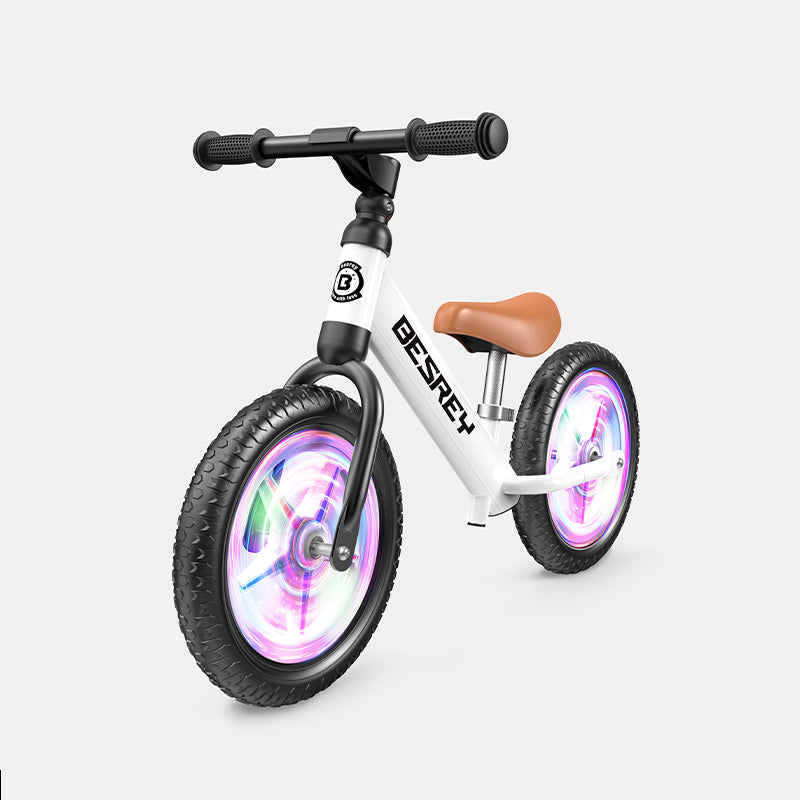
1. Ultra-Light Balance Bike (Ideal for Beginners)
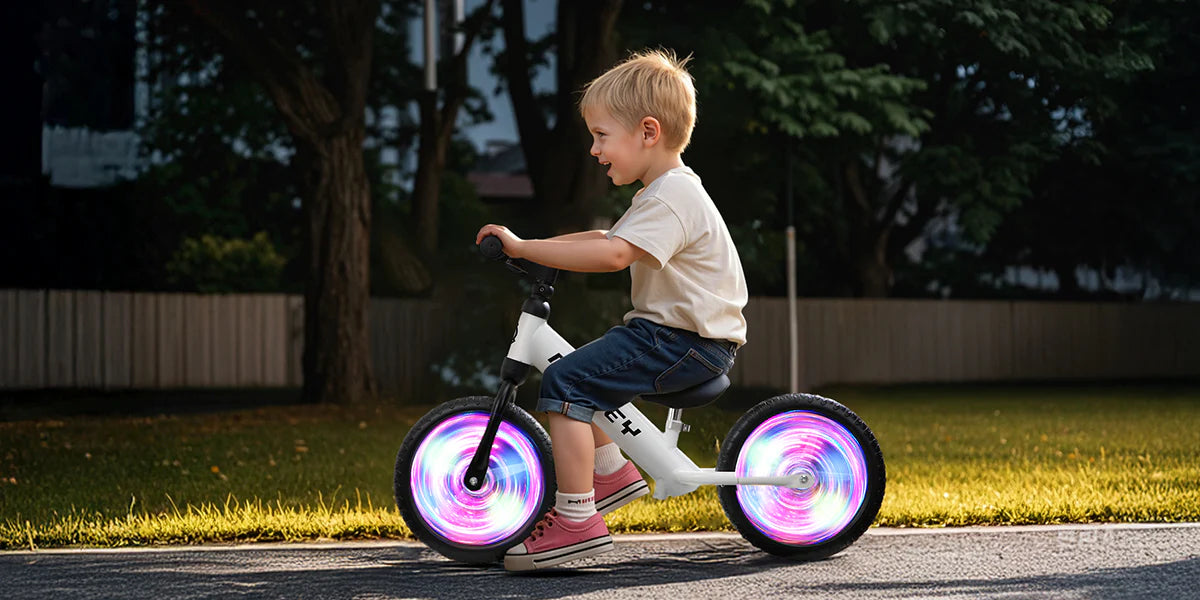
A top choice for brand-new riders who need an easy, confidence-boosting start. An ultra-light design—often referred to as a lightweight balance bike—is simple for toddlers to lift, steer, and control, helping them master balance quickly. Look for features such as EVA puncture-free tires, a lightweight frame, and a low seat height to support safe, successful early learning.
2. All-Terrain Balance Bike (For Outdoor Explorers)
Designed for toddlers who enjoy riding on a mix of surfaces—grass, playground paths, parks, or gravel. These bikes typically offer enhanced stability, improved traction, and limited-steering designs to prevent tipping on uneven ground. Great for families who spend a lot of time outdoors.
3. Budget-Friendly, Low-Maintenance Balance Bike (Perfect for Everyday Use)
A practical pick for first-time parents who want reliability without a high cost. These bikes usually feature EVA maintenance-free tires, simple construction, and adjustable seats that grow with your child. They’re ideal for indoor riding, neighborhood paths, and daily play.
Safety Gear Essentials
Before your child rides, make sure they’re properly protected.
✔ CPSC/EN-Certified
HelmetAccording to the AAP, helmets reduce the risk of serious head injury by up to 85%.
✔ Knee and Elbow Pads
Helpful for early learners who are still refining balance.
✔ Gloves
Protect hands and improve grip.
✔ Closed-Toe Shoes
Sneakers > sandals. Always.
Conclusion
Choosing the best balance bike for 2 to 4-year-old riders in 2026 doesn’t have to be complicated. When you focus on key factors—weight, size, tire type, and essential safety features—you’ll be well on your way to selecting the best balance bike 2026 options available. With expert guidance from the AAP, CPSC, and RoSPA, it becomes easy to find a balance bike that builds your child’s confidence, improves coordination, and encourages a lifelong love of outdoor play.
Article credit:
American Academy of Pediatrics (AAP). (2023). Bicycle Safety: Helmets, Equipment, and More. HealthyChildren.org. https://www.healthychildren.org/English/safety-prevention/on-the-go/Pages/Bike-Helmet-Safety-Tips.aspx
Consumer Product Safety Commission (CPSC). (2022). Bicycle Requirements and Safety Standards. U.S. Consumer Product Safety Commission. https://www.cpsc.gov
Royal Society for the Prevention of Accidents (RoSPA). (2021). Cycling Safety for Children. RoSPA – Royal Society for the Prevention of Accidents. https://www.rospa.comCenters for Disease Control and Prevention (CDC). (2020). Protect the Ones You Love: Child Injuries. https://www.cdc.gov
National Highway Traffic Safety Administration (NHTSA). (2023). Bicycle Safety for Young Riders. https://www.nhtsa.gov