
Besrey - Feb 20 2026
Push Handle Tricycles: Do Toddlers Really Need Them?

For many parents, buying their toddler their first ride-on toy is an exciting moment. Riding toys provide physical benefits, independence, and the opportunity to explore outdoors. Of the many options available, push-handle tricycles have become a popular choice, as they combine the features of a stroller and a traditional tricycle. But it makes us question: Do toddlers really need them, or are they simply a convenience for parents?
Understanding how this hybrid tricycle works, and whether it truly offers benefits, can help families decide if it's worth the investment. Push-handle tricycles are designed to support children's development in multiple ways, but like any tool, they will be most effective when combined with the child's preparation and the family's lifestyle.
What Push Handle Tricycles Are Designed For
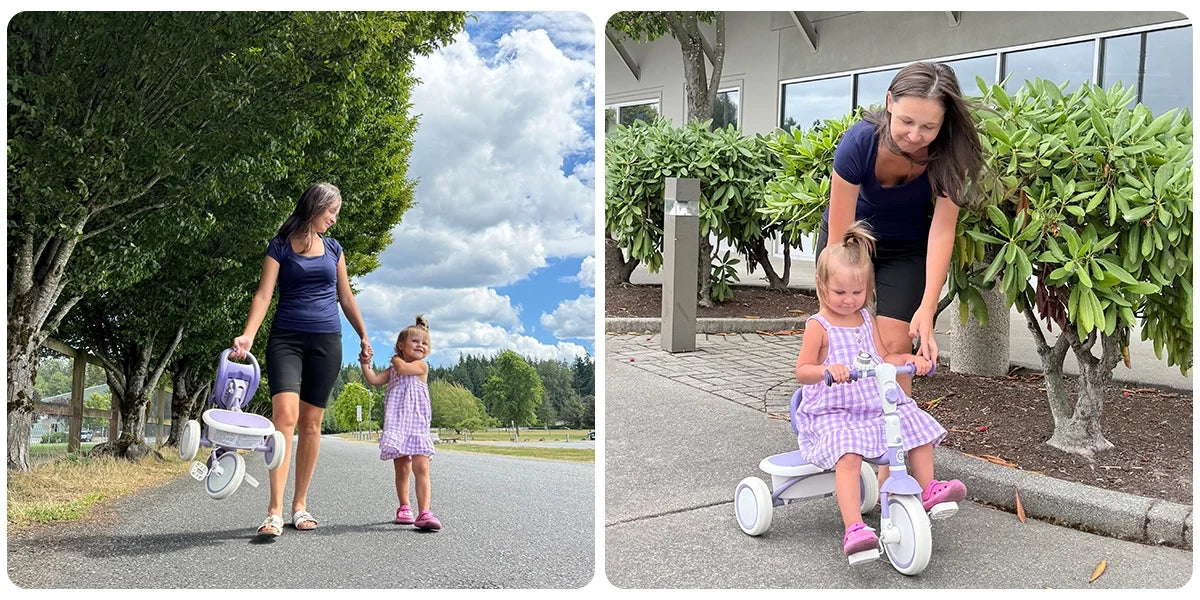
Push-handle tricycles provide safety, convenience, and a comfortable transition experience for children between 18 months and 5 years old. These tricycles allow parents to control steering and speed, making it easy to take a walk and helping toddlers build balance, coordination, and confidence before transitioning to independent pedaling.
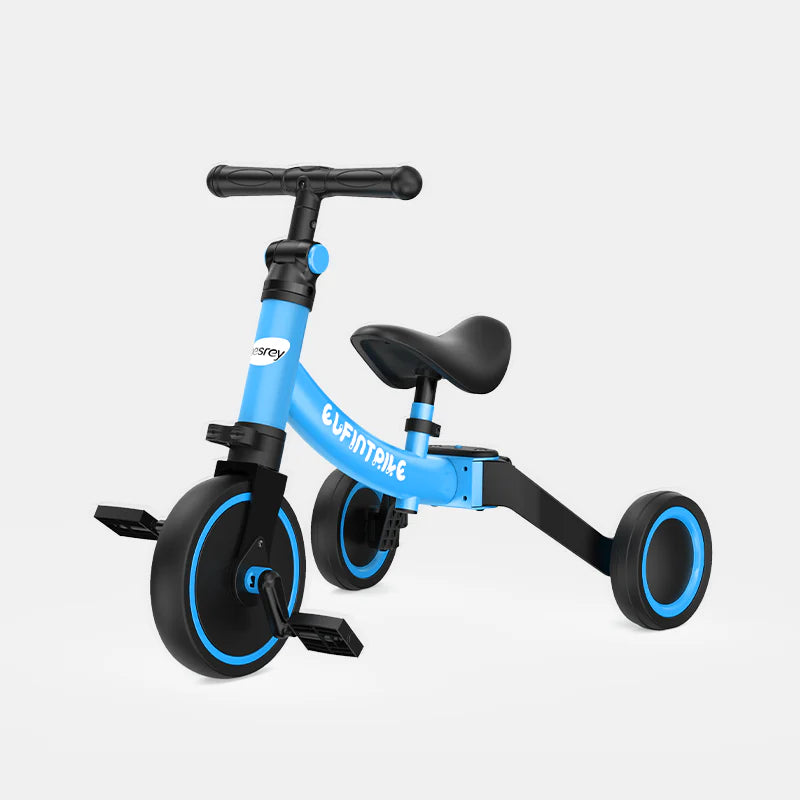
What components does a push handle tricycle include? A parent push handle which is a long, adjustable-height rod that allows parents to steer the tricycle directly, typically equipped with a 3-point or 5-point safety harness, a high-back seat, and a protective safety bar or guard. They often feature 3-in-1, 4-in-1, or up to 8-in-1 designs that transition through stages: infant stroller, steering trike, learn-to-ride trike, and independent tricycle.
Key purposes and design features of push handle tricycles include:
· Parental Control and Safety
· Pedal and Steering Freedom
· Convenience and Comfort
· Skill Development
· Social interaction during walks and outdoor play
When Push Handle Tricycles Make Sense
Push handle tricycles are ideal for children aged 18 months to 5 years, they are perfect for toddlers who cannot yet pedal or steer, allowing parents to guide them, control their speed, and ensure safety , while offering an interactive and at the same time fun alternative.
Scenarios When Push Handle Tricycles Make Sense:
•When toddlers are too active for a stroller but still need to be secured and guided on long walks
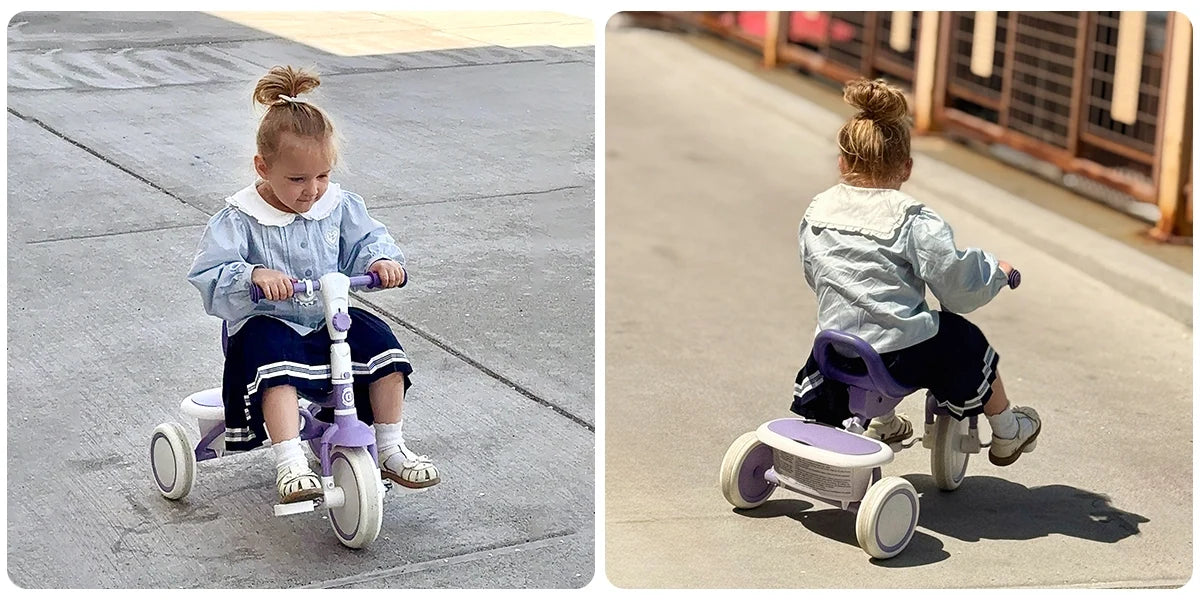
•Ideal for children learning to pedal, offering the security of parental control to prevent fast, dangerous, or unintended movement.
•Many models are 2-in-1 or 4-in-1, adjusting from a stroller-like parent-pushed ride to a fully independent tricycle as the child gains strength and skills.
•When young children get tired, the push handle allows them to rest their legs on footrests while the parent continues the walk.
Potential Downsides Parents Should Know
Despite the versatility offered by push-handle tricycles, they are not without certain limitations. Understanding these will help parents decide which product best suits their needs without assuming it's essential.
1. Handling Issues: Parents may face a kind of “struggle” with the child for steering control, which can be physically exhausting on long walks. It may happen that if the push handle is too short or not adjustable, taller parents may need to bend over, causing back strain. These trikes are generally making them difficult to push over bumpy footpaths or tight corners.
2. Reduced Balance Skills and Delayed Independence: Constant parental assistance can make children dependent on being pushed rather than learning to pedal and steer themselves. This reduces the priority of developing balance skills.
3. Safety Risks: Tipping hazard, pedal injuries on models without a free-wheel clutch and mechanical failure due to low-quality models.
4. Practical Inconveniences: they are bulk making them difficult to carry upstairs or fit into small car trunks, also this can make storage, transport, or quick outings less convenient.
A balance must be found: these types of tricycles could help but are not a substitute for the child's overall development.
How to Transition Away from the Push Handle
A push-handle tricycle should be seen as a temporary solution, not a long-term means of transportation. How can we make this transition and avoid becoming dependent on this type of tricycle? You can follow these steps:
Step 1: Shared Control
Before removing the handle entirely, shift from pushing the trike to simply guiding it. Even when using the push handle, invite your toddler to: Hold the handlebars, practice turning, place feet on pedals instead of the footrest. Use cues like "push, push, push" to help them find a steady pedaling rhythm.
Step 2: Off-Bike Training
If your child struggles to move forward, they may need to master the circular motion of pedaling separately. You can try to remove footrests so children try pedaling, allow them to steer while you guide lightly
Step 3: Removing the Handle
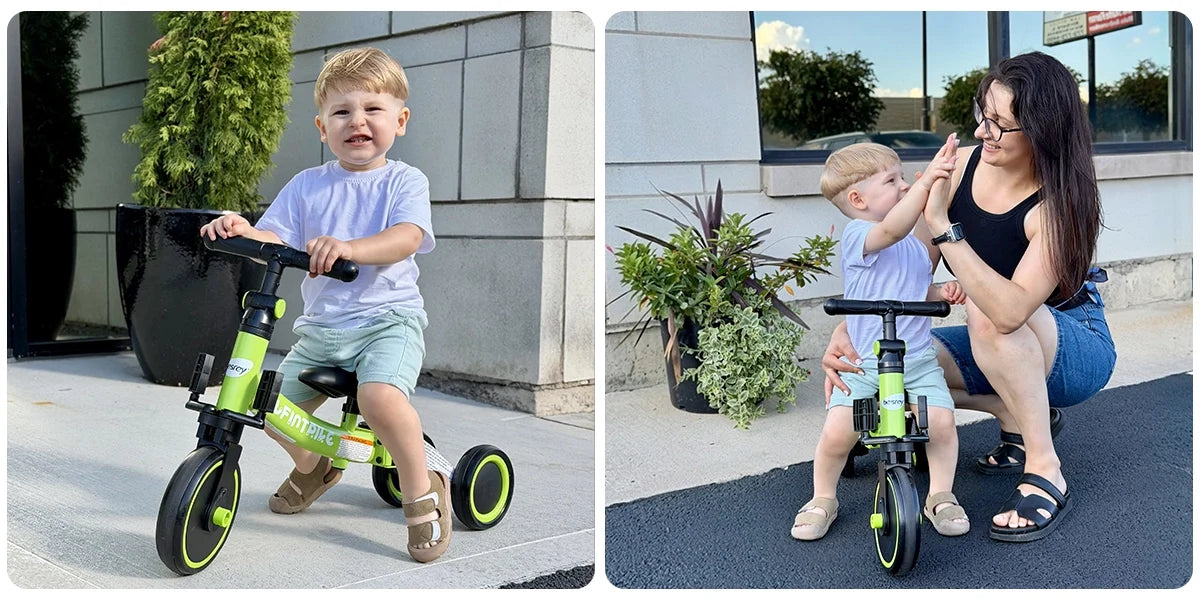
Once they can pedal and steer simultaneously for short bursts, it is time to detach the handle. Take off the parent handle and other "stroller" parts (like the footrests and safety bar) to lighten the trike and give them more room to move.
Step 4: Motivating Independence
Short sessions in a safe, flat place are a good start, and to celebrate every effort instead of demanding perfection, remember that confidence is built from trial and error.
Conclusion
We wondered, do toddlers really need push handle tricycles? The answer depends on each family and how they choose to get around.
Push-handle tricycles are seen as developmental bridges. They provide a safe and engaging introduction when children aren't yet ready to pedal independently, while also giving parents added control during this early stage. When used correctly and the transition is effective, they can help build confidence, coordination, and a fascination with exploring outdoors.