
Besrey - Mar 20 2026
15-Minute Scooter Games: Stop, Turn, Yield

The excitement our children feel when using a scooter for the first time is boundless. But before speed becomes the main focus, teaching them that safety can be achieved through fun is essential to making the activity as enjoyable as possible for both of you. Kids scooter safety games like “Stop, Turn, Yield” have the power to transform each play session into a valuable lesson that builds coordination, awareness of safety, and respect for rules. Even short sessions can become valuable routines that not only help keep your children safe but also help you, as parents, feel confident in your child's scooter adventures.
In this article, we’ll take a closer look at why the simple actions of “Stop, Turn, Yield” should always come before speed when children are learning to ride their scooters. These foundational skills are more than just playful commands—they are the building blocks of safe riding habits that protect kids from accidents and prepare them for more advanced mobility in the future.
Why “Stop, Turn, Yield” Should Come Before Speed
Scooters are synonymous with fun, but using them at uncontrolled speed can cause accidents. In the context of toddler scooter games, the "Stop, Turn, Yield" hierarchy is a fundamental safety and developmental framework.
Why This Order Matters for Toddlers
•Stopping teaches balance and control. Kids learn how to slow down safely, preventing collisions.
•Turning sharpens coordination. Navigating corners or obstacles builds agility and confidence.
•Yielding instills awareness. Children practice looking around, respecting others, and waiting their turn.
These three actions—Stop, Turn, Yield—mirror real traffic rules, making them practical skills that prepare kids not only for biking but eventually for more complex forms of transportation, including future driving. By practicing these commands early, children begin to internalize the idea that movement in shared spaces requires awareness, discipline, and respect for others.

How to Fit These Games Into a 15-Minute Routine
Whether it's because our routines and schedules are tight in our lives, to keep a toddler engaged, this 15-minute routine should feel like a "Scooter Mission" rather than a lesson. The goal is to make the boring stuff (stopping and yielding) the most exciting part of the game.
The 15-Minute "Scooter Hero" Routine
Time | Game | Skill Focus | Action |
|---|---|---|---|
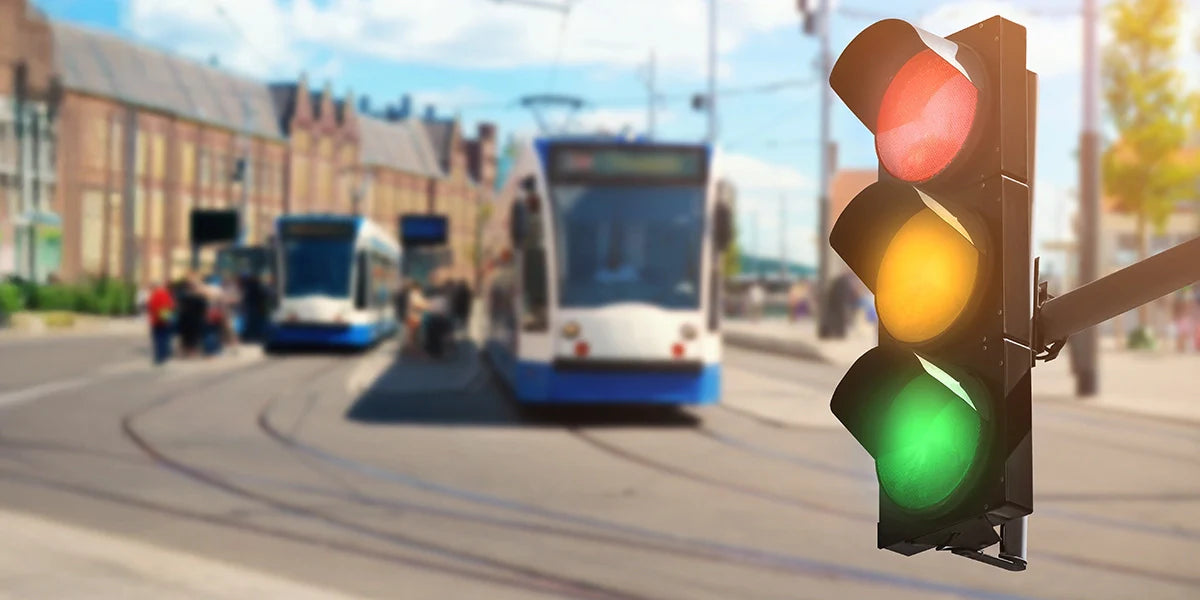
0–4 min | Green Light | STOP | You are the traffic light. Green = Go, Red = Freeze! Give a "Sticker Point" for the fastest stop, not the fastest speed. |
4–8 min | Turn Challenge | TURN | Set up cones or chalk lines. Children practice turning left and right around them. |
8–12 min | Yield Drill | YIELD | Create intersections with chalk or tape. Kids must look both ways and wait for a signal before crossing. |
12–15 min | The Delivery Race | COMBO | "Deliver" a toy to a finish line. They must Turn around a cone, yield to a barrier, and Stop on a specific mark. |
How to Establish the Rules for This Gam
To achieve this goal, consistency is key, and as parents, we must establish clear rules before starting the game:
1. The Opening Ritual: Before every session, start with a 30-second "Safety Check." Examples: "Helmet on, hands on bars, eyes on me."
2. Teaching the "Stop": Instead of just saying “Stop,” use a clear command like “Red Light!” or “Brakes!” and teach kids to place their “kickstand foot” flat on the ground. Reinforce the rule with “No Stop, No Go”—if they ignore the stop, the scooter takes a short break. This simple system makes stopping both easy to understand and essential for keeping the game moving.
3. Teaching the "Turn" (The Steering): Teach toddlers to “Look at the target”—whether it’s a cone or a parent leading the way. Use a simple Follow the Leader zigzag to guide their path, and remind them to “Keep your bubbles separate” so they don’t crash into others. This makes turning about focus, direction, and safe spacing.
4. Teaching the "Yield" (The Social Rule): Teach empathy with commands like “Give Space” or “After You.” Use a stuffed animal as a pedestrian—if it’s on the path, the scooter must wait. Reinforce with “Pedestrians are Kings” and a palm-out hand signal, showing kids that people walking always go first.

Conclusion
Scooter play is more than a fun pastime: it's the perfect opportunity we have as parents to teach our children long-term values that will be useful to them in their adult lives. The Stop, Turn, Yield routine is a simple yet powerful way to introduce kids to scooter safety games. And we can achieve this in just 15 minutes: children will practice the ability to stop and control, turn confidently, and yield prudently.
So next time your child grabs their scooter, remember: before speed comes safety. With structured games, clear rules, and a little creativity, you can turn playtime into a foundation for safe, confident riding.
Article credit:
https://microkickboard.com/blogs/blog/10-most-important-scooter-safety-rules#:~:text=Also%2C%20off%2Droad%20areas%20can,Scoot%20During%20Daylight%20Hours
https://blog.sensoryedge.com/traffic-signs-teach-safety-through-play/#:~:text=Join%20in%20the%20fun%E2%80%94pretend%20to%20be%20another,it's%20a%20lesson%20in%20cooperation%20and%20patience