



Besrey- Dec.26 2025
A New Parent's Guide to Newborn Safety

When you become a parent, all the excitement that comes with it can be overwhelming, especially when you're trying to manage your newborn. From sleep routines to car rides, bath time, and daily routines, each of these moments makes you question what a baby brings with them. The good news? With a few valid guidelines and the right baby gear—like a supportive Besrey baby carrier—you can create a safe, supportive environment that protects your newborn and gives you more confidence in your daily schedule.
This guide breaks down essential newborn safety tips for new parents, this will give you a practical perspective in your day-to-day life.
Safe Sleep Practices for Newborns
Safety while your baby sleeps is one of the most important aspects of newborn care. Babies naturally spend many hours sleeping, so creating the right environment will significantly reduce risks such as suffocation and SIDS (Sudden Infant Death Syndrome).
We're sharing some tips that will help your baby sleep peacefully and safely:
1. Keep Sleep Surfaces Clear and Firm: It's important to ensure your baby sleeps on a flat, firm surface, such as a crib, bassinet, or playpen that meets safety standards. The mattress should fit snugly without any gaps or spaces, and above all, avoid adding soft bedding, pillows, stuffed animals, or anything that could obstruct breathing.
2. Always Place Baby on Their Back: The most effective action that parents and caregivers can take to reduce baby’s risk of Sudden Infant Death Syndrome (SIDS) and other sleep-related death is to always place the baby on their back to sleep, for naps and at night. It also prevents the baby from suffering from reflux while sleeping.
3. Room-Sharing, Not Bed-Sharing: It's recommended to share the same room as the baby, but each person should have their own personal sleeping space. This can help you assist the baby more quickly, but sharing beds increases the risk of accidental suffocation.
4. Maintain a Comfortable Temperature: Newborns are born unable to regulate their temperature, so it is necessary to keep the room cool and dress the baby in clothes made of breathable fabrics. If you plan to keep the baby warm, sleeping bags are recommended, and loose sheets should be avoided.

Car Safety: Traveling with Your Newborn
Whether you're planning your first family trip or need to go to the store to do your weekly shopping, car safety is essential from day one.
We're going to share some essential tips with you:
· Choose the Right Car Seat
Your newborn needs a rear-facing infant car seat that fits your vehicle firmly. You must ensure it meets safety standards and that it's installed correctly according to the manufacturer's instructions. Even for short trips, car seats are required; never carry your baby in your arms.
· Proper Positioning Matters
The baby's harness should be adjusted once the seatbelt is fastened so that the chest clip is at armpit level. The seat should be positioned at the correct angle to allow for right breathing.
· Use a Baby Carrier Safely
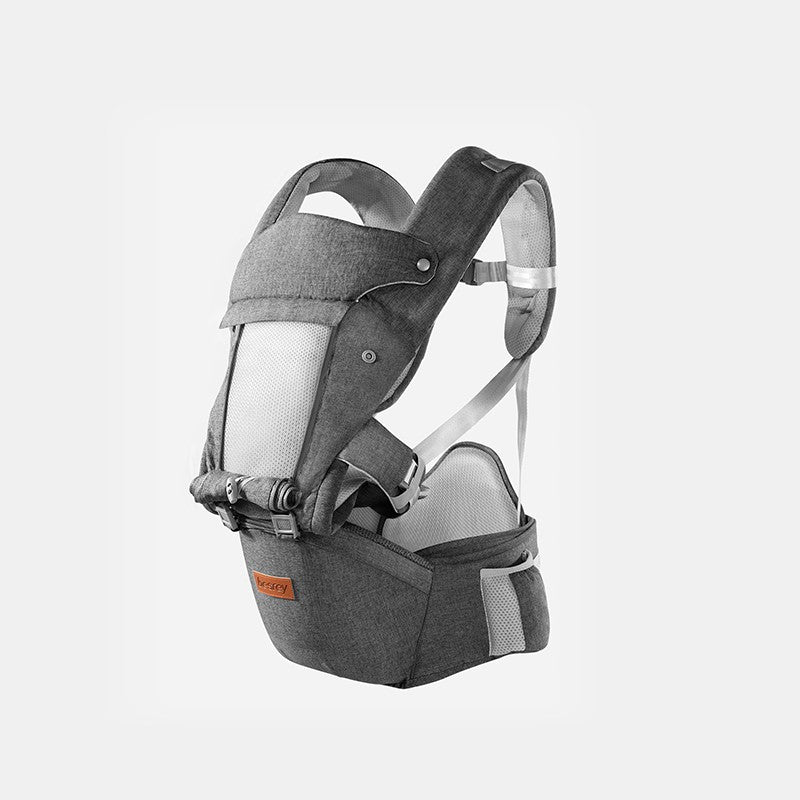
Once you get out of the vehicle, it is recommended to use a baby carrier- Besrey baby carrier is extremely useful. This will help you keep your newborn baby close to you safely and ergonomically while you walk.

Home Safety and Babyproofing Basics
Even if the newborn baby cannot yet move around, you should start making some changes inside the house to make it babyproof, and in this way, create a safe environment for everyone.
Go ahead with:
·Start by identifying key areas: Risk areas where they could be injured by accident such as stairs (you should install gates to prevent the baby from going through while they start crawling), electrical outlets (you should use plugs or cover them) and sharp corners (you should use protectors)
Although newborns spend most of their time being held, make sure you don't trip over loose rugs, dropped toys, or wet floors.
· Safe Surfaces for Diaper Changing: It's best to change your baby on a flat, stable surface. Always keep one hand on your newborn while changing them, as babies can roll over or turn over even during the first few weeks of life.
· Keep Hazardous Items Out of Reach: You should store medicine, cleaning supplies, and small items locked away or in high cabinets. Even newborns can grab objects that are close to them. This will prevent the risk of poisoning and suffocation.
· Strangulation: Unsecured blind and curtain ropes can quickly wrap themselves round a baby or toddler's neck- always keep curtain or blind cords tied up out of reach. Do not leave any type of rope or cord lying around, including dressing gown cords and drawstring bags.
Handling, Soothing, and Health
Typically, first-time parents worry about the safe handling of the newborn, which you can achieve with simple but effective habits that will make every interaction safer and more comfortable for both of you.
1. Proper head and neck support: Newborns have not yet developed their neck muscles, so it is very important that you carefully support their head and neck while lifting, carrying and laying them down.
2. Prevent Shaken Baby Syndrome: Shaking, hitting, throwing, or dropping babies and toddlers can have dangerous results. Shaking can cause irreversible brain damage, learning disabilities, intellectual disability, blindness, deafness, seizures, paralysis or death. Babies who survive severe shaking will likely need lifelong medical care. Nearly all victims of AHT (Abusive head trauma) suffer serious, long-term health problems.
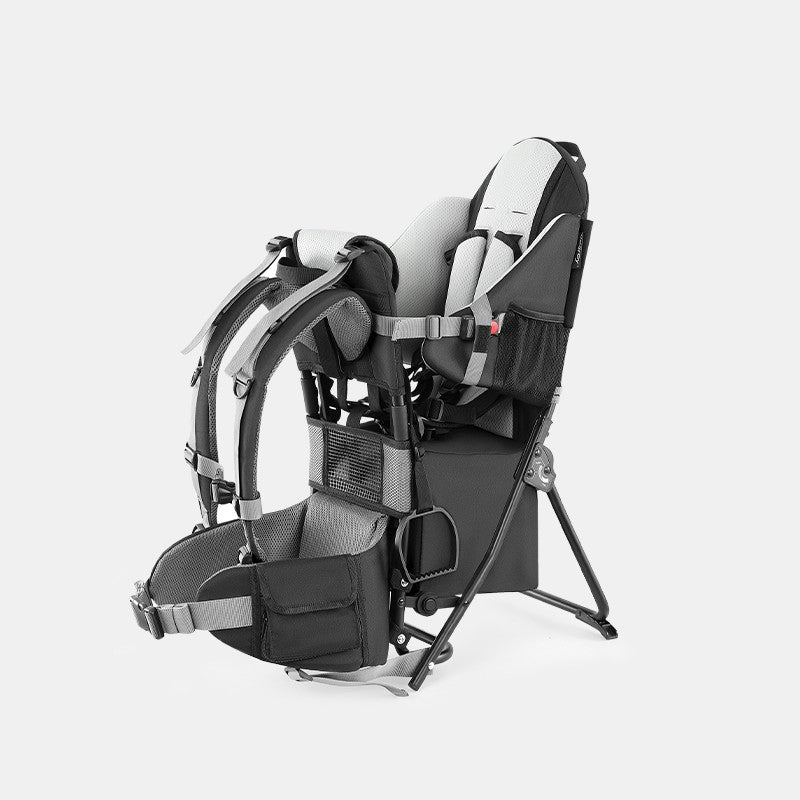
3. Use Carriers Properly: A Besrey baby carrier or Baby Carrier Backpack allows you to keep your newborn close while providing ergonomic support. It is always recommended to strictly follow the manufacturer's recommendations regarding age and weight. Make sure your baby's face is visible and unobstructed, ensuring their breathing is not hindered.
4. Follow your maternal instinct and recognize signs of illness: First-time parents are often more perceptive than you realize; seek professional help if you notice the following symptoms in your newborn: fever above recommended levels, refusal to feed, persistent crying, sudden changes in breathing and lethargy or unusual sleepiness.
Bathing and Household Safety
When it comes to bath time for your newborn, which can be relaxing and rewarding, you should consider their safety first.
Here are some suggestions:
· The first rule without exception is never to leave your baby alone in the water: Even an inch of water is enough to pose a drowning risk. Gather everything you need before the bath, such as towels, soap, and diapers, so that you have everything you need at hand.
· Check the water temperature: Try to use lukewarm water and test it first on your wrist or forearm. Babies have delicate skin and can burn themselves easily.
· Choose a safe bathtub: Use a small, specially designed baby bathtub with a non-slip surface. Keep the bathing area warm and free from drafts.
And remember drowning is QUICK and SILENT. Keep your baby in arm’s reach.
Conclusion
The newborn stage is full of joy, discovery and learning, but the highest priority is to gradually adapt to your child's new life. By following essential newborn safety tips for new parents, creating a stable sleep and home environment, and choosing reliable gear like a Besrey baby carrier or Baby Carrier Backpack, you can plan every day with greater assurance and serenity.
It's very important to conclude that being parents doesn't mean being perfect. With dedication, preparation, and support, you are more than capable of keeping your newborn safe and stable at every stage of this new journey.
Article credit:
https://safetosleep.nichd.nih.gov/reduce-risk/back-sleeping
https://safetosleep.nichd.nih.gov/reduce-risk/safe-sleep-environment
https://www.stanfordchildrens.org/en/topic/default?id=keeping-your-baby-warm-90-P02425
https://www.todaysparent.com/pregnancy/why-car-seat-is-essential-before-birth/
https://www.nhs.uk/baby/first-aid-and-safety/safety/baby-and-toddler-safety/
https://www.healthychildren.org/English/ages-stages/baby/crying-colic/Pages/Self-Soothing-Helping-Your-Baby-Learn-This-Life-Skill.aspx
https://www.nationwidechildrens.org/family-resources-education/family-resources-library/prevent-shaken-baby-syndrome
https://familydoctor.org/recognizing-newborn-illnesses/
https://heloa.app/en/blog/0-12-months/health/newborn-bath
https://capt.org.uk/safe-baby-bath-time/