
Besrey - Feb 26 2026
Why Some Kids Only Scooter for 3 Minutes — Then Quit

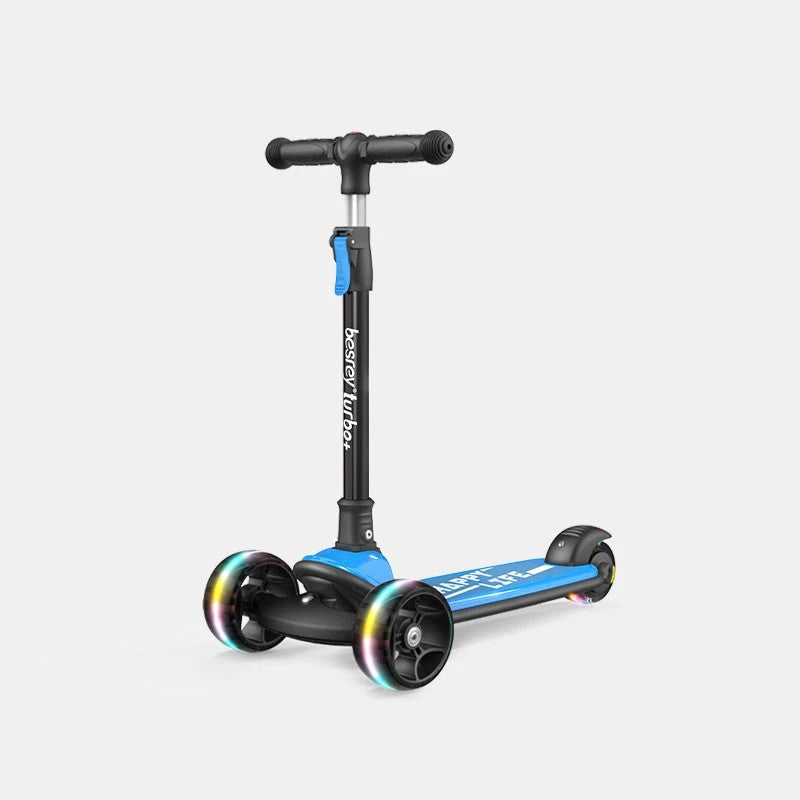
Alot of parents describe the same pattern: the scooter comes out, excitement lasts two or three minutes, and then the child is done. It can feel like a waste—or like your child simply “isn’t into it.”
Usually, that is not the real issue
Why short scooter sessions are so common
For young children, scooter riding combines balance, steering, braking, attention, and emotional tolerance. That is a lot of work packed into one activity.
Children ages 3 to 5 are meant to be active throughout the day, but the CDC’s guidance does not mean long blocks of one skill. It means frequent, varied movement.So a toddler who scooters for only a few minutes may not dislike movement. They may simply prefer short bursts.

Four common reasons kids quit quickly
1. The fit is off
If the bar is too high, too low, or too wide, riding feels tiring fast.
2. The task is too hard
If your child is still learning to steer or brake, even a short session can feel mentally exhausting.
3. The route is boring
A flat driveway with no target, turn, or game can feel repetitive within minutes.
4. The child is overloaded
Noise, cold hands, a poorly fitting helmet, or sibling pressure can all shorten tolerance.
How to make scooter time last longer—without forcing it
Use “micro-goals”
Ride to the cone. Stop at the chalk line. Turn around the stuffed animal.
End before frustration
Three good minutes today can become six tomorrow. Ending on success matters more than “making them stay out.”
Add variety
AAP play guidance notes that play builds planning, self-regulation, and social-emotional skills. Variety helps keep those systems engaged.
Pair scooter time with another movement
Scooter, then toss beanbags. Scooter, then tunnel crawl. Mixing tasks often keeps toddlers interested longer than one repetitive loop.
When short sessions are perfectly fine
Short effort does not mean low value. A three-minute scooter session can still build balance, confidence, and routine—especially if it happens regularly.

Conclusion
If your child only scooters for three minutes and quits, the problem is rarely “motivation” alone. More often, it is fit, fatigue, challenge level, or boredom. Think in short wins, not long workouts. For toddlers, consistency beats duration.