
Besrey - Feb. 20 2026
How Long Can a Child Use a Toddler Tricycle?

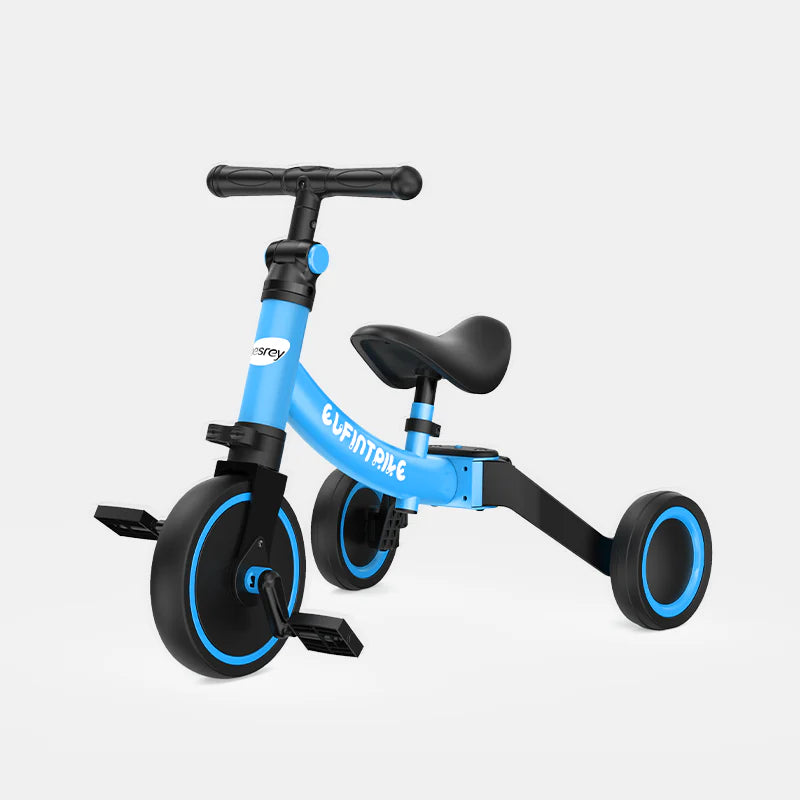
When you decide to buy outdoor toys for toddlers, the decision isn't always easy; it can often be overwhelming, as you have to consider aspects like how fun and attractive it is, how safe it is, or whether it's really worth the investment. A toddler tricycle is often one of the first ride-on toys parents consider— But something that comes to mind is to ask ourselves: How long can a child actually use a toddler tricycle?
The answer depends on multiple factors, such as age, child development, and tricycle design. Understanding the toddler tricycle age range, aspects such as lifespan, usually what the next level is (like balance bikes), can help you make a smart decision as your child grows.
In this guide, we'll explain everything so you know exactly what to expect and how to get the most out of a toddler tricycle.
Typical Age Range for Using a Toddler Tricycle
In general, toddler tricycles are typically suitable for children between 1.5 and 4 years old, and many are ready to pedal independently around age 3. For younger children (10 to 18 months), multi-mode tricycles with handlebars and safety harnesses allow for early, supervised use. Key readiness milestones include the ability to sit safely, reach the pedals, and drive.
We can differentiate rank states depending on age:
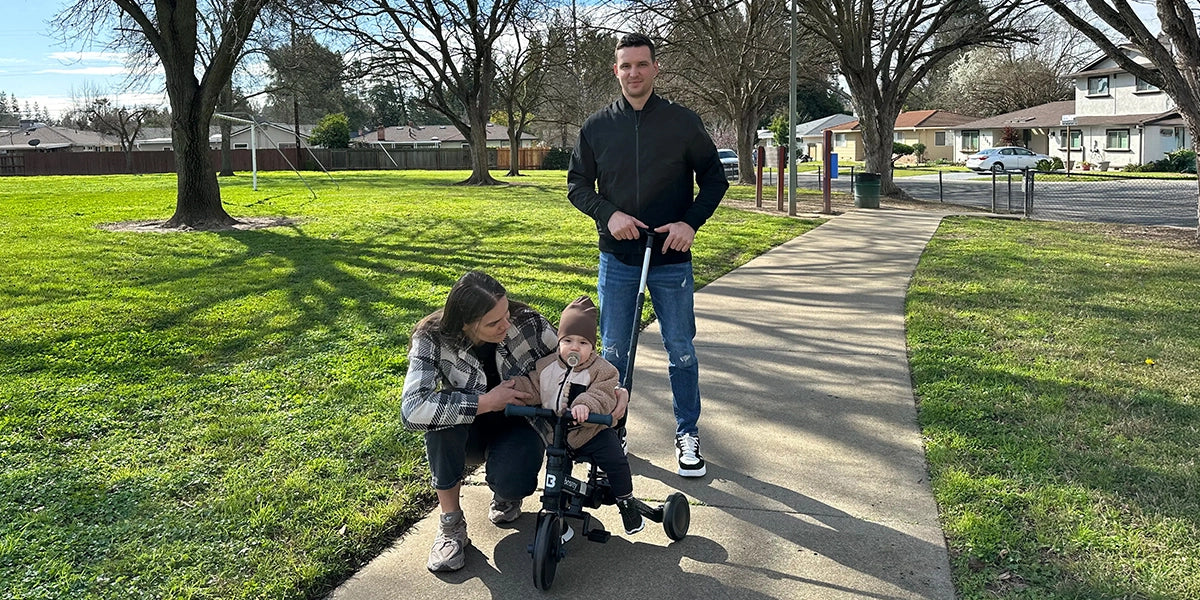
•10–18 Months (Stage 1): Introduction stage, convertible, "stroller-style" trikes with parental handles, footrests, and safety guards.
•1.5–2 Years (Stage 2): Basic trikes where children learn to sit, hold handlebars, and occasionally pedal, often still requiring parental assistance.
•2–4 Years (Stage 3): Active riding stage, Ideal age for independent pedaling, steering, and navigating, with a focus on developing motor skills.
•4–5+ Years: Transition stage, larger tricycles, balance bikes, or two-wheeled bikes with training wheels.
What Affects How Long a Tricycle Gets Used
How long a child's tricycle gets used is primarily affected by the child's physical development and the tricycle's durability and adjustability.
Child Development
The duration of use depends largely on the child's personal milestones and their interest in switching to a two-wheeled vehicle. Motor skill development requires the use of leg strength, coordination, and creating balance between turning and pedaling; these skills usually develop around age 3 but can vary. The child's physical size is also very important, as children must be the right height to feel comfortable pedaling and be able to touch the ground with their feet to brake safely.
Tricycle Features & Quality
Three aspects to consider are:
Adjustability: Models with adjustable seats and handlebars can be modified as the child grows, significantly extending the period of usability.
Durable Materials: High-quality materials, such as steel frames, ensure the tricycle can withstand the wear and tear of active play and varied terrain. Avoid thin plastics or flimsy parts that could break prematurely.
Convertible Design: Some tricycles are designed as multi-stage and these models can be used from as young as 10 months up to 5 years, offering excellent longevity.
Signs Your Child Is Outgrowing a Tricycle
How can I tell if my child is ready for the next level? We can share some typical signs that likely indicate your child may be ready:
Physical Fit Signs
▪Their knees hit the handlebars when they pedal.
▪Their legs are excessively bent even at the lowest point of the pedal stroke, which makes riding uncomfortable and inefficient.
▪The seat and handlebars are already at their maximum height and still feel too low.
▪They look hunched over while riding, indicating the frame is too small for their torso and arms.
Performance & Skill Signs
▪They can navigate corners, handle bumps, and manage speed with complete confidence.
▪They seem bored or frustrated by how slow the tricycle is compared to their actual energy and strength.
▪They start asking for "big kid" bikes or trying to ride on more difficult terrain.
▪If they can walk or run in a straight line with excellent coordination, they may be ready for a balance bike or a bicycle with training wheels.
When these signs appear, they clearly indicate that the tricycle has successfully fulfilled its function.
What Usually Comes After a Toddler Tricycle
Once your child has ruled out using a tricycle, many parents wonder what the next option is. Here are some of the most popular ones:
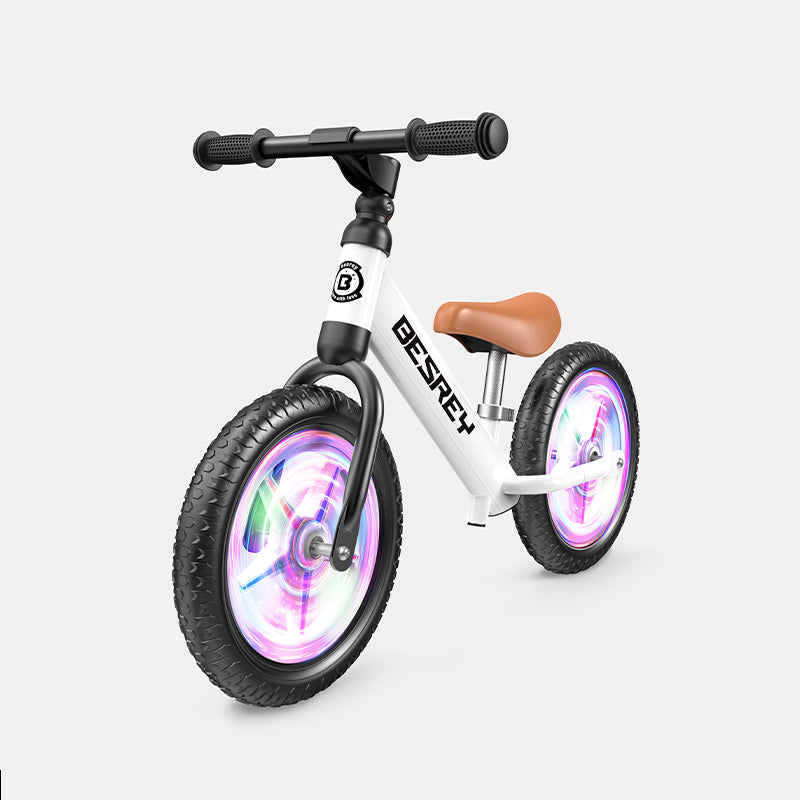
Balance Bike
A balance bike is a two-wheeled bicycle without pedals, where the child propels themselves with their feet. Why are they beneficial? This method prioritizes learning balance and steering, which is the most difficult part of riding a bike. Also, Once a child masters gliding on a balance bike, transitioning to a traditional pedal bike is often quick and seamless, sometimes in minutes. Most important, Balance bikes are lightweight and easy for a toddler to manage independently across various terrains
Pedal Bike with Training Wheels
A pedal bike with training wheels is a child's bicycle equipped with two small, stabilizing wheels attached to either side of the rear axle. Why are they beneficial? This allows children to learn the mechanics of pedaling and steering with the added stability of the extra wheels. This option is typically introduced when a child is around 3 to 6 years old.
Scooters
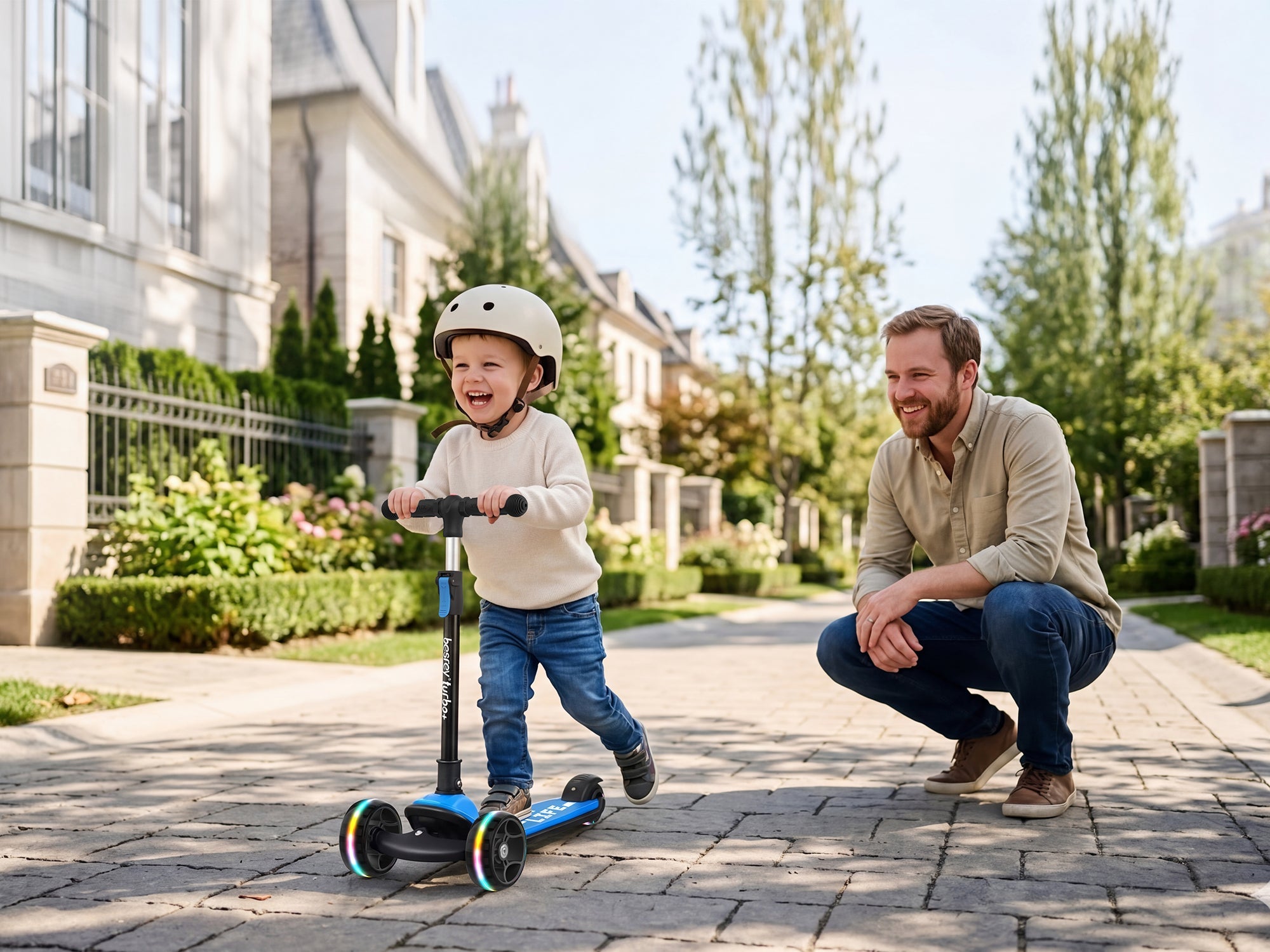
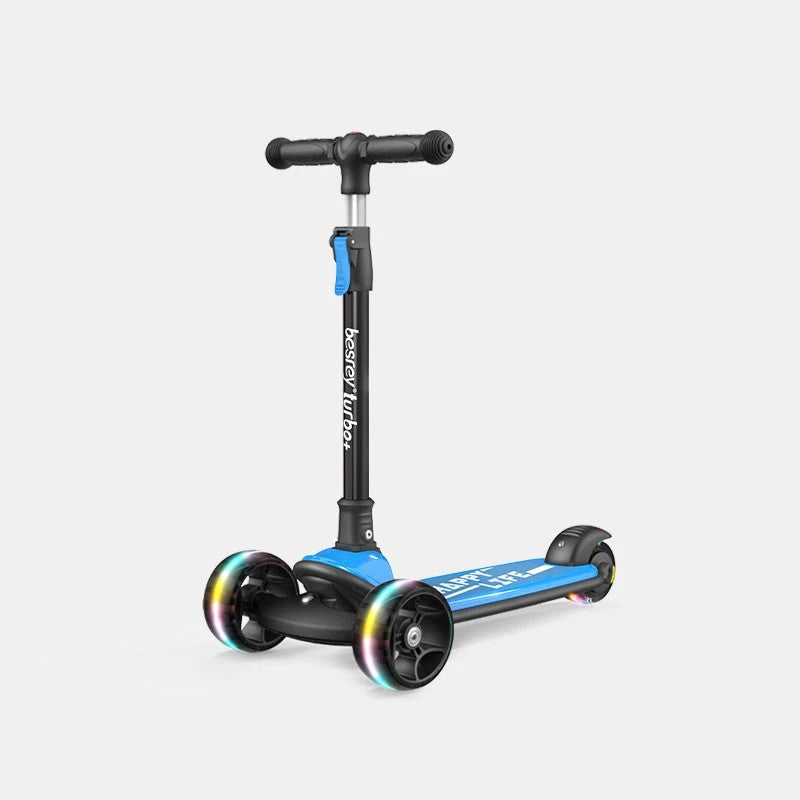
Scooters, especially three-wheeled ones, are great for developing coordination and motor skills in a standing position, but they don't teach the sitting balance needed for a bicycle.
Making the Most of a Toddler Tricycle
Here are some specific ways to maximize the benefits of a tricycle for toddlers:
▪Start in a safe, open, and flat area to build confidence.
▪Choose a model with adjustable features
▪Teach them to sit upright, look straight ahead, and hold the handlebars firmly.
▪Ensure the seat is adjusted so their feet can comfortably reach the pedals or ground, promoting better control.
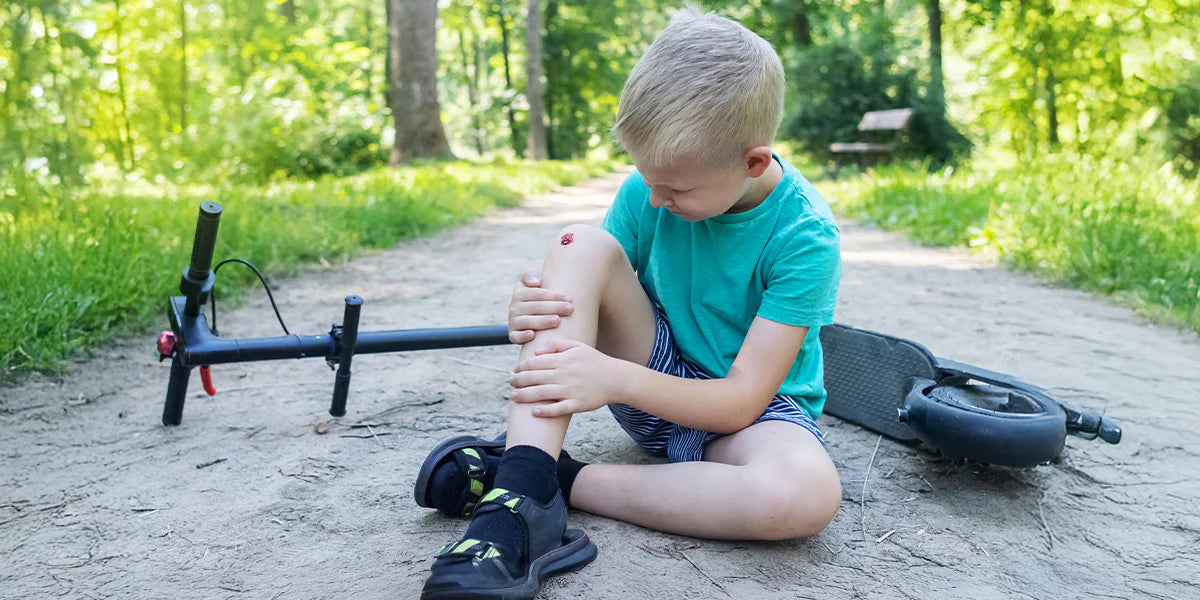
▪Always ensure the child wears a helmet, and consider knee/elbow pads for added protection.
▪Regular maintenance
▪Incorporate games, such as riding to a specific, fun location, to encourage longer playtime.
Conclusion
Can we say when a toddler can use a tricycle? For many parents, the answer is from about 18 months up to 4 or 5 years old, depending on the child and the tricycle itself.
A toddler tricycle isn't just a cute toy; it's an important tool for developing coordination, building confidence, and fostering a love of outdoor play. Whatever the next transition may be—whether it's a balance bike, scooter, or pedal bike—the skills acquired riding a tricycle will lay the foundation for future independence.
If chosen carefully, a toddler tricycle remains one of the most rewarding and versatile outdoor toys for them, offering fun and functionality during some of the most important early growth years.