
Besrey - Mar 23 2026
Light-Up Wheels, Lean-to-Steer, and More: What Features Actually Matter on a Kids’ Scooter?

Choosing a kids’ scooter shouldn’t feel like researching a car—yet with so many models, features, and price ranges, many parents feel overwhelmed when trying to understand the kids scooter features that matter most.
According to the American Academy of Pediatrics (AAP), riding toys like scooters help children develop balance, coordination, and gross motor skills, while also encouraging outdoor physical activity—something AAP says kids need at least 60 minutes of every day.
To help you pick the best scooter without wasting time or money, this guide breaks down:
● Which features actually matter
● Which upgrades are worth paying for (including whether light-up wheels are just a gimmick)
● How to choose the best 3-wheel scooter for kids
● What professional health organizations recommend
● A clear evaluation checklist for parents
Why Scooters Are Great for Kids (Backed by Experts)
1. Scooters Build Balance & Motor Skills
The NHS (UK National Health Service) highlights that active play improves coordination, strengthens muscles, and supports healthy development. Scooters naturally teach kids to steer, balance, and control speed—building skills that also help with cycling later on.
2. Encourages Daily Outdoor Activity
The CDC emphasizes that regular outdoor activity improves sleep, reduces stress, and improves overall health. Scooters give kids a fun reason to get outside and stay active.
3. Accessible for All Ages
From toddlers to school-age children, scooters come in age-appropriate designs, making them easier to learn compared to bicycles.
4. Boosts Confidence & Independence
Mastering new physical skills helps children build self-esteem—something both AAP and child-development specialists stress as crucial for emotional growth.
What Scooter Features Are Essential?
Not all features are marketing hype—some truly affect safety and usability. Here’s what experts and product engineers recommend parents prioritize:
1. Wheel Configuration (The #1 Safety Feature)
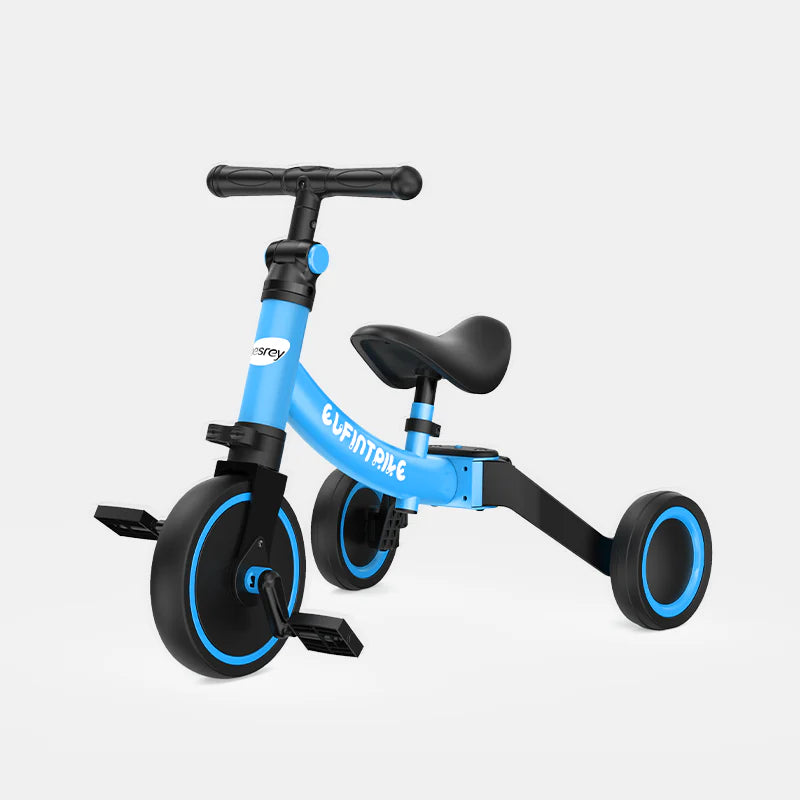
3-wheel scooters = stability & beginner safety
2-wheel scooters = better for experienced riders (ages 6+)
AAP recommends that young kids use stable riding equipment—making 3-wheel models safer for early learners.
2. Low, Wide Deck for Balance
A low deck keeps a child’s center of gravity stable. A wide deck lets kids comfortably place both feet—especially important for toddlers.
3. Adjustable Handlebar Height
Kids grow fast. Adjustable handlebars ensure proper posture and safer steering over time.
4. Reliable Brake System
Rear foot brakes are the safest and easiest for kids to learn. Consistent braking ability is essential for safe playground or neighborhood riding.
5. Durable Construction (Avoid Cheap Plastics)
Experts recommend scooters with:
● Aluminum or metal frames
● Reinforced decks
● High-quality bearings
These reduce wobbling, increase longevity, and make the scooter feel smoother to ride.
6. Lightweight, Easy-to-Control Design
A scooter that’s too heavy is unsafe. Kids must be able to lift, turn, and stop their scooter easily.
The Complete Guide to Kids’ Scooters
Are Light-Up Wheels Actually Worth It?
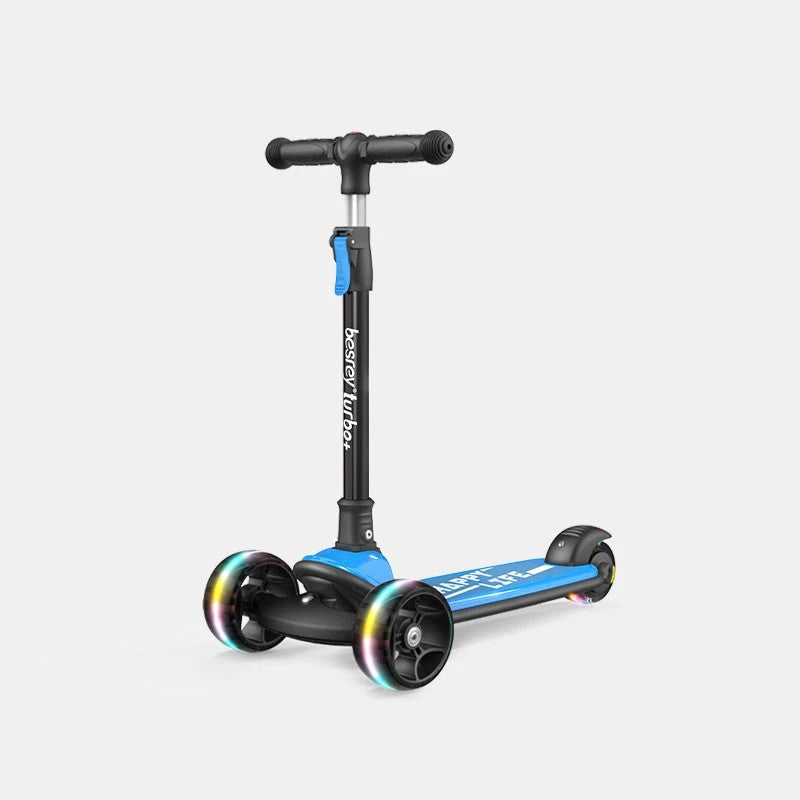
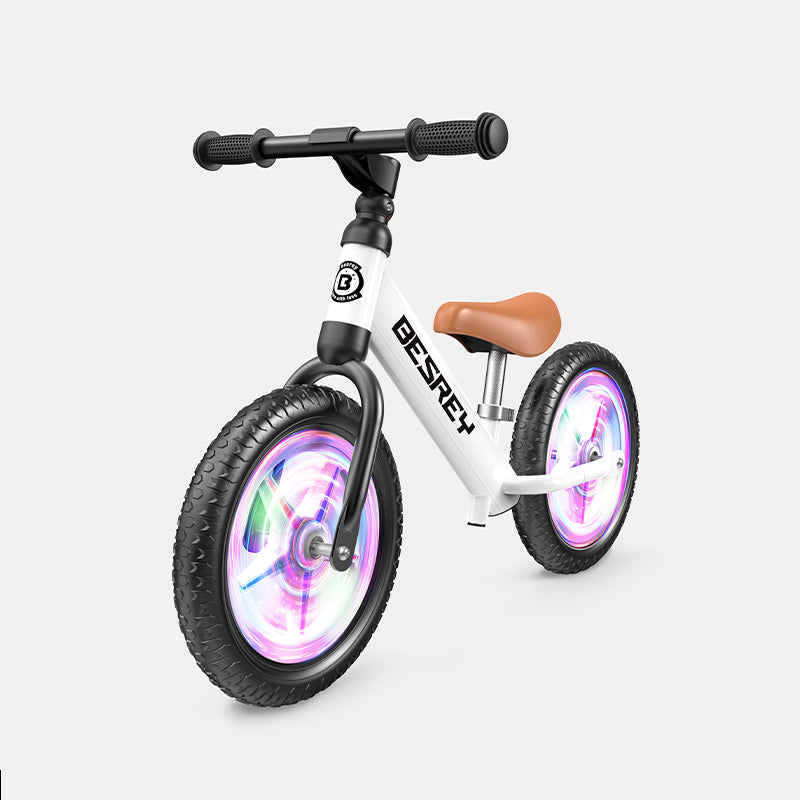
Yes—they’re more than just “cool,” and many parents searching for light-up wheels kids scooter worth it will be glad to know the answer is overwhelmingly yes.
Why experts (and parents) like them:
● Improve visibility in low light or evening rides
● Increase motivation for younger kids
● Powered by motion (no batteries required)
Light-up wheels boost safety AND fun, making them a smart upgrade rather than just decoration.
The Best 3-Wheel Scooter for Kids — What Should You Look For?
The top-rated 3-wheel scooters usually include:
● Lean-to-steer technology (teaches balance naturally)
● Extra-stable front wheels
● Anti-slip wide deck
● Adjustable handlebars
● Soft, shock-absorbing PU wheels
These features align with AAP recommendations for stability and safe learning.
Should You Choose a Foldable Kids Scooter?
A foldable design is a major advantage if:
● You travel often
● You need to store the scooter in small spaces
● Your child brings it to school or the park
Just ensure the folding latch is secure and child-safe.
How Do I Evaluate a Scooter for My Kid? (Parent Checklist)
✔ Safety Essentials
● Stable 3-wheel design (for ages 2–6)
● Reliable, responsive rear brake
● Non-slip deck surface
✔ Fit & Comfort
● Handlebars sit at mid-chest to waist height
● The deck is roomy enough for comfortable foot placement
✔ Build Quality
● Lightweight but sturdy frame
● Smooth-rolling wheels
● Reinforced joints and deck
✔ Match to Skill Level
● Beginner = 3-wheel
● Confident rider = 2-wheel
✔ Optional but Helpful Features
● Light-up wheels
● Foldable frame
● Shock-absorbing wheels
● Carrying strap
● Fun color/design options kids love
Conclusion
If you want the safest, highest-value scooter for your child, focus on the features experts agree matter most: stability, durability, proper sizing, and safe braking. Whether you choose a 3-wheel beginner scooter or a foldable option for an older kid, these core features ensure your child enjoys the benefits that organizations like AAP, NHS, and CDC emphasize—healthy movement, balance development, and outdoor play.
Article credit:
American Academy of Pediatrics (AAP). Physical Activity Recommendations for Children. Available at: https://www.aap.org
American Academy of Pediatrics (AAP). The Importance of Play in Promoting Healthy Child Development. Available at: https://publications.aap.org
Centers for Disease Control and Prevention (CDC). Physical Activity Basics for Children. Available at: https://www.cdc.gov/physicalactivity
National Health Service (NHS). Physical Activity Guidelines for Children and Young People. Available at: https://www.nhs.uk/live-well/exercise
NHS – Child Development Advice. Why Physical Play Is Important. Available at: https://www.nhs.uk/conditions/baby
U.S. Consumer Product Safety Commission (CPSC). Riding Toys Safety Guidelines. Available at: https://www.cpsc.gov
Safe Kids Worldwide. Wheeled Sports Safety Tips for Parents. Available at: https://www.safekids.org
HealthyChildren.org (AAP). Outdoor Play and its Benefits for Children. Available at: https://www.healthychildren.org