
Besrey - Mar 31 2026
How to Efficiently Organize Your Child’s Toys: 6 Practical Tips for Busy Families

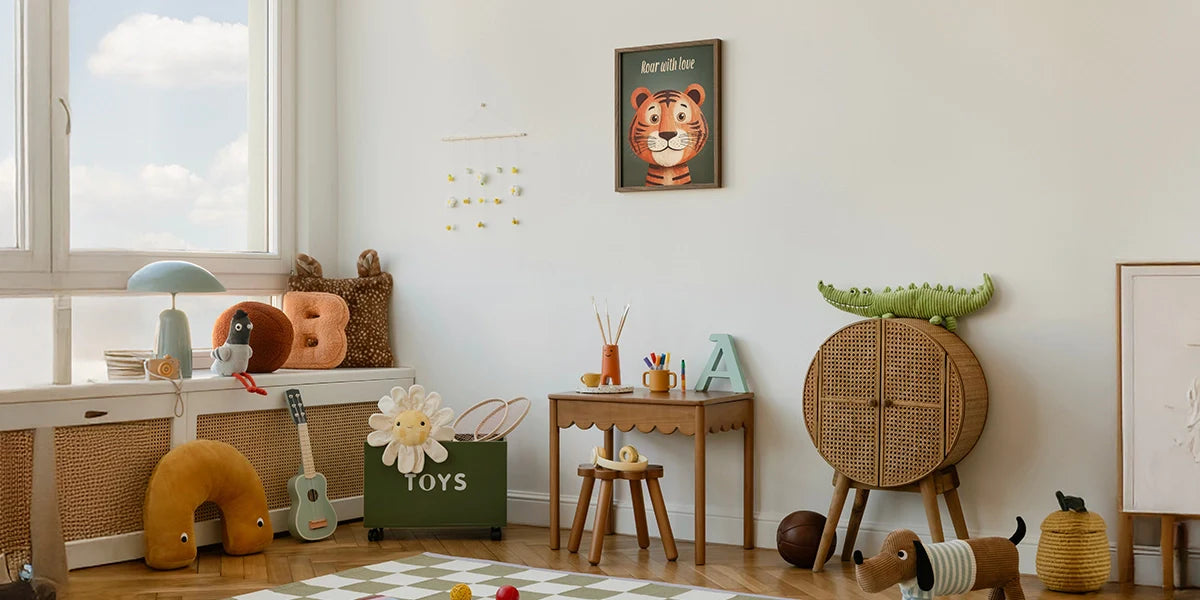
If it feels like your home is only one spilled toy bin away from total chaos, you’re not imagining things. Modern families accumulate toys faster than they can sort or store them. The result? Visual clutter, constant cleanup, and overwhelmed parents.But before you look for clever toy storage ideas or search for “how to organize kids’ toys,” you need to fix the real problem: too many toys.Multiple studies show that the more toys children have, the harder it is for them to focus, play creatively, and clean up independently.
Why More Toys Create More Mess — Reduce ‘’Quantity’’ First
A study from the University of Toledo found that children play more creatively and calmly when they have fewer toys available (Dauch et al., 2018). Montessori education also emphasizes the power of a simple, curated environment that allows children to engage in meaningful, independent play. So before searching for toy storage ideas for small spaces or buying new bins, take an hour to declutter intentionally:
● Remove duplicates
● Toss broken items
● Donate toys your child has outgrown
● Keep only toys that your child plays with weekly
Fewer toys = faster cleanup, longer play sessions, and greater appreciation for the toys you keep.
Six Practical Toy-Organization Tips Busy Families Can Copy
1. Sort Toys by Category, Not by Size
Research in child psychology shows that children recognize categories (cars, dolls, blocks) more easily than abstract concepts like size or shape. Sorting toys by category helps young kids understand where things belong, reducing your workload. Kids understand categories better than container aesthetics. Try sorting into:
● Building toys
● Pretend play
● Cars & trucks
● Dolls & plush
● Art supplies
Clear categories make it easier for children to help clean up.
2. Use Bins Your Child Can Actually Manage
Avoid giant, deep bins. Shallow, wide bins help kids see everything at a glance. Add:
● Picture labels for younger children
● Word labels for early readers
This simple tweak can transform cleanup time.
3. Create Toy ‘’Zones’’
Environmental psychology shows that clear physical boundaries help children understand expectations. Instead of scattering toys across the whole home, keep items within designated areas:
● One shelf for everyday toys
● One small cabinet for messy/art items
● One corner for ride-on toys
Zones reduce visual clutter and help your child understand boundaries.
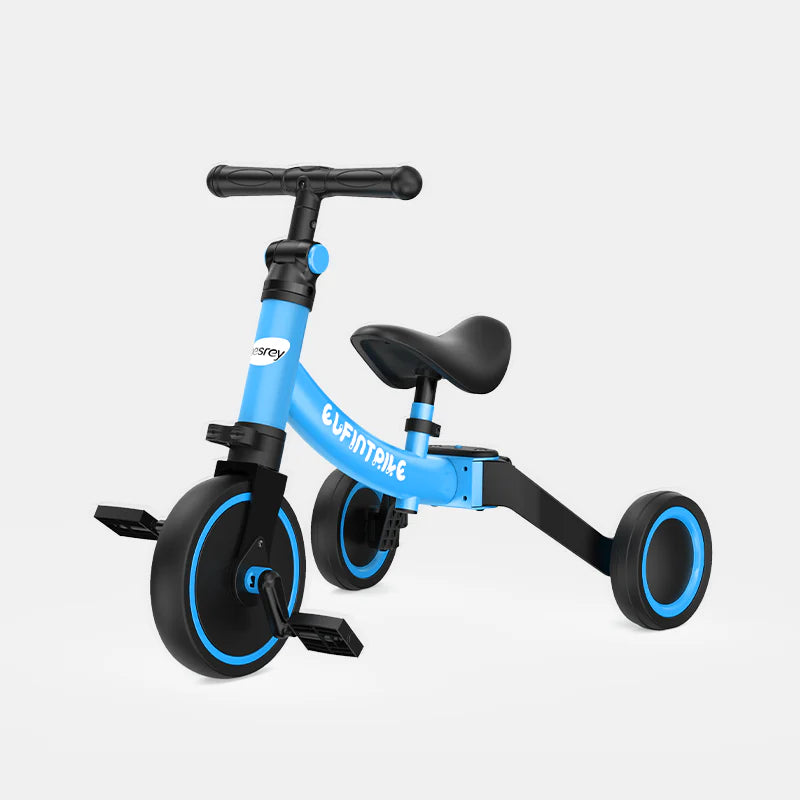
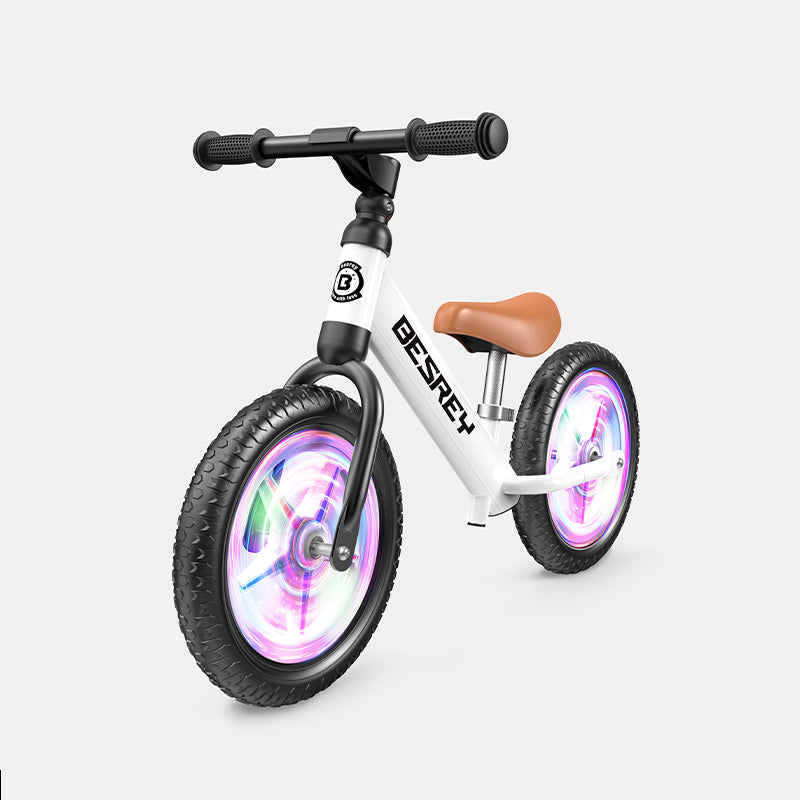
4. Store Ride-On Toys Smartly
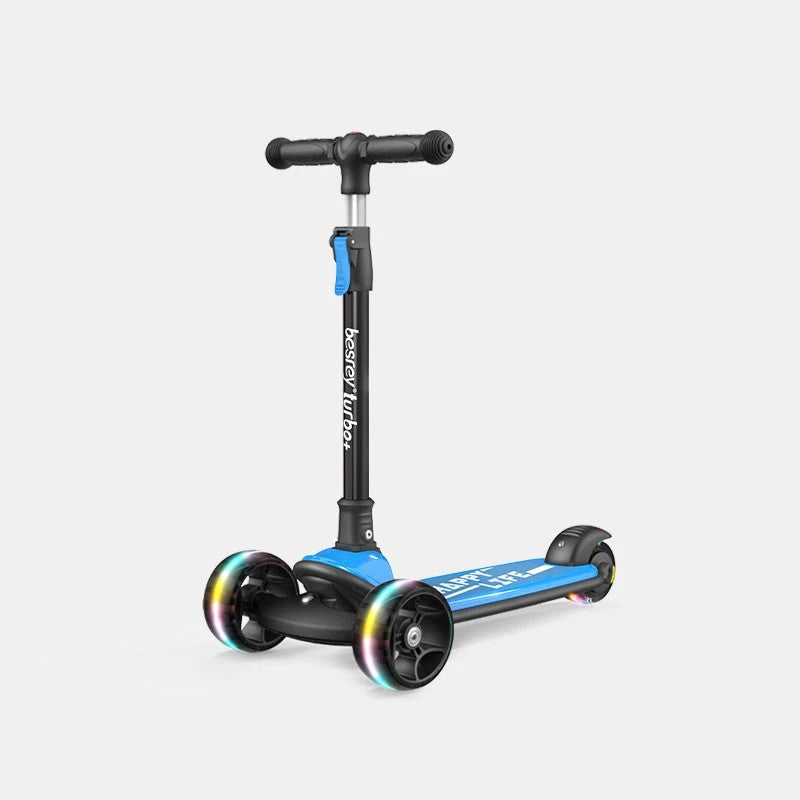
Ride-on cars, balance bikes, and scooters easily dominate hallways. To organize ride-on toys:
● Use a wall-mounted hook for lightweight toys
● Store heavier ride-ons in one ‘’parking corner’’
● Keep wheels aligned and handles facing the same directionIf you’re wondering how to store a folding scooter indoors, try:
● A vertical hook by the entryway
● A slim umbrella-style stand
● Behind-the-door storage rack
These solutions work even in small apartments.
5. Rotate Toys to Reduce Overwhelm
Instead of displaying all toys at once, keep half in storage. Every two to four weeks:
● Swap in ‘’new’’ toys
● Remove items your child is ignoring
● Keep favorites accessibleToy rotation boosts creativity and helps kids rediscover old toys.
6. Make Cleanup a Built-In Habit
Turning cleanup into part of the routine makes the whole system work:
● Use a 5-minute ‘’reset timer’’ before dinner
● Sing the same clean-up song daily
● Teach kids to clean one zone at a time
Consistency beats perfection.
Small-Space Setup: One Wall, One Door-Back, One Entry Corner
If you live in a small home, you need a strategy—not just bins. Try this minimalist three-zone approach:
1. One Wall
Install:
● A low shelf
● A few labeled bins
● A narrow bookcase
This becomes the main toy hub.
2. One Door-Back
Use an over-the-door organizer for:
● Art supplies
● Small puzzles
● Action figures
● Play-Doh tools
Vertical space is a game-changer.
3. One Entry Corner
This is for bulky items:
● Ride-on toys
● Folding scooters
● Balance bikes
Add hooks or a simple ‘’garage-style’’ mat to keep wheels off clean floors.
A ‘’Buy Less, Regret Less’’ Checklist for the Next Toy
Before buying a toy your child might play with once and abandon, ask yourself:
● Can it be stored easily?
● Does it replace something we already have?
● Will my kid use it weekly?
● Is it durable and easy to clean?
● Does it support independent play?
● Do we have space for it without reshuffling everything?
If you say ‘’no’’ to 3 or more—skip it.
How often should I rotate toys?
Every 2–4 weeks works for most families. If your child seems bored or overstimulated, rotate sooner.
What if my kid refuses to clean up?
Try:
Making bins super simple (‘’cars,’’ ‘’dolls,’’ ‘’blocks’’)
● Cleaning together for the first minute
● Using a short timer
● Reducing the number of toys available
Most kids aren’t resisting—your system just needs simplifying.
Conclusion
Organizing kids’ toys isn’t about becoming a minimalist or creating Instagram-perfect shelves. It’s about designing a system your child can follow and you can maintain—especially when life gets busy. Declutter first, choose practical storage ideas, and set up simple routines. With these toy organization tips, you’ll enjoy a calmer home, happier playtime, and a shorter cleanup every day.
Article credit:
Dauch, C., Imwalle, M., Ocasio, B., & Metz, A. E. (2018). The influence of the number of toys in the environment on toddlers’ play. Infant Behavior and Development.https://pubmed.ncbi.nlm.nih.gov/29190457/
University of Toledo. (2017). Fewer toys lead to richer play experiences.https://news.utoledo.edu/index.php/12_18_2017/fewer-toys-lead-to-richer-play-experiences-ut-researchers-find
An abundance of toys can curb kids’ creativity and focus. Science News.https://www.sciencenews.org/blog/growth-curve/too-many-toys-creativity
JCFS. Toys and their impact on children's cognitive and neurological development.https://www.jcfs.org/blog/less-more-toys-and-their-impact-childrens-cognitive-and-neurological-development
Montessori Foundation. The Montessori Environment.https://montessori.org/the-montessori-environment/
KonMari Media, Inc. Organizing with the KonMari Method™.https://konmari.com/