
Besrey - Mar 21 2026
New Scooter 5-Minute Safety Check: Brake, Fold Joint & Clamp

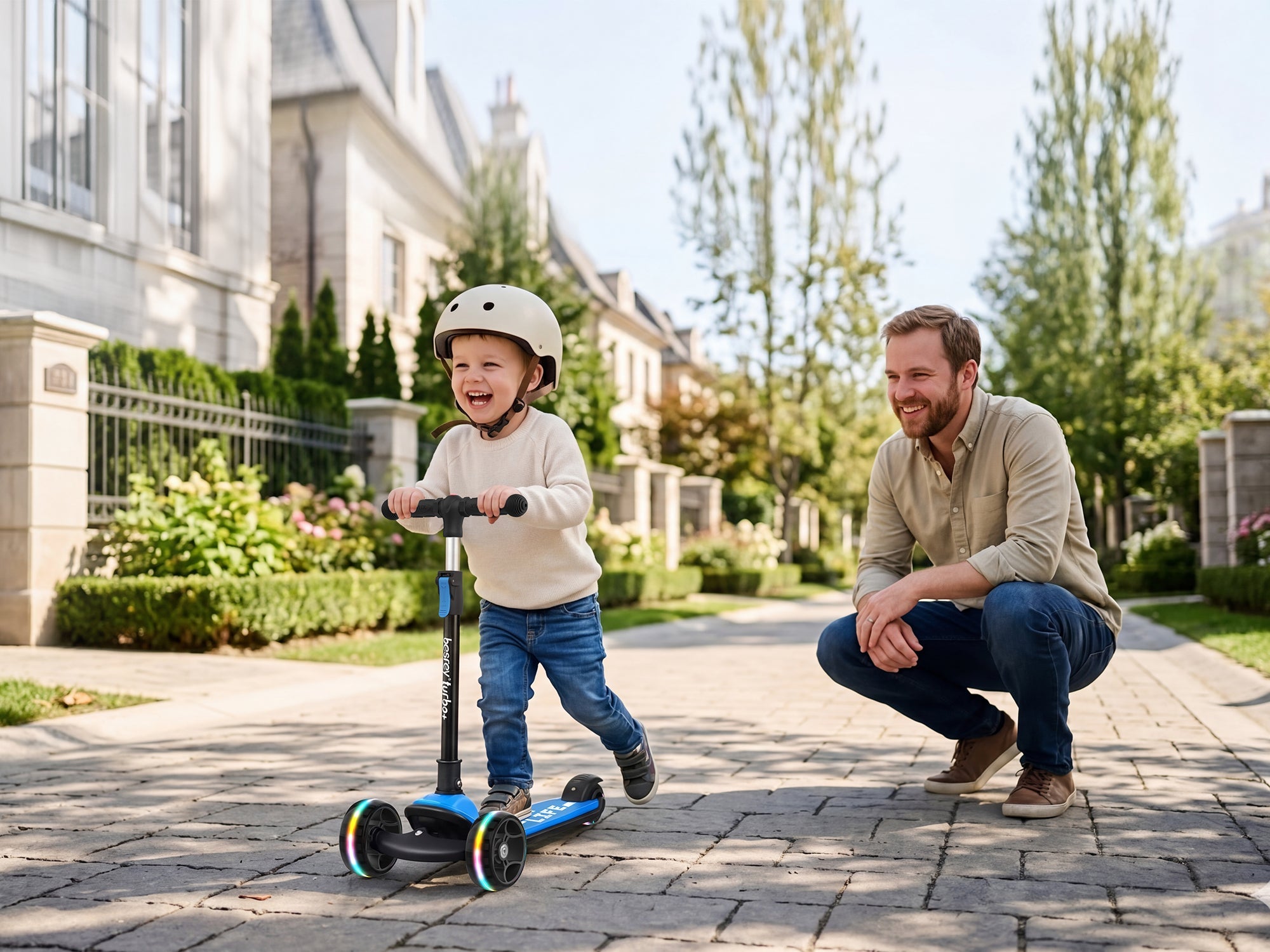
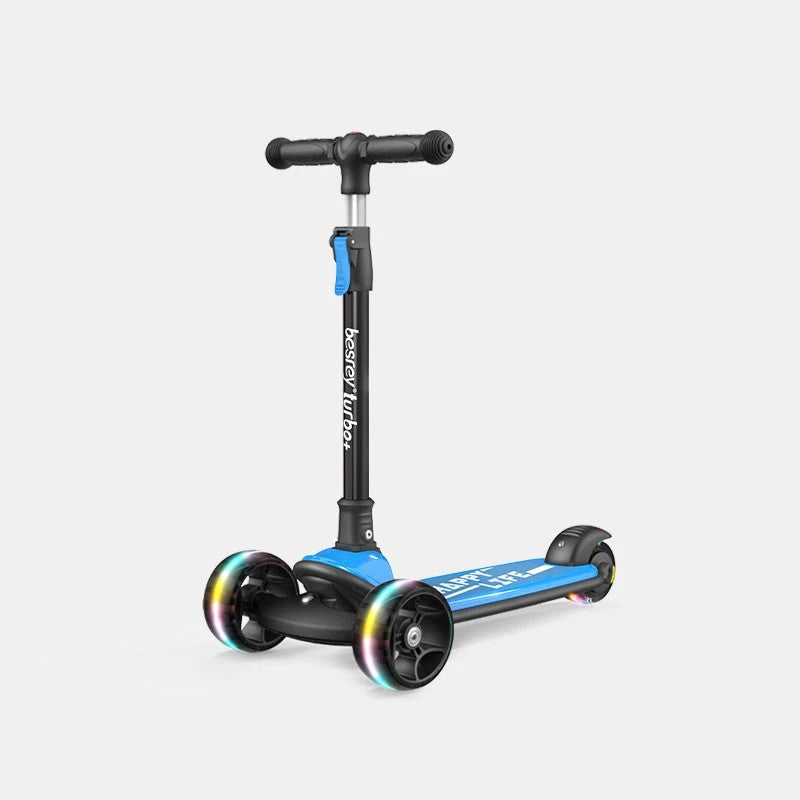
We can't deny that when our kids try out a new scooter with light-up wheels, the excitement is immense. But before that first ride, parents should perform a scooter safety check. A five-minute routine is more than enough to prevent accidents, extend the scooter's lifespan, and give you peace of mind knowing everything is okay. Whether it's brand new, fresh out of the box, or you assembled it at home, this new scooter assembly safety guide will help ensure every ride starts off right.
This article outlines a simple, step-by-step process: checking the brake, fold joint, clamp, and finishing with a roll test. Think of it as the scooter equivalent of fastening a seatbelt—fast, easy, and essential.
Why Every New Scooter Needs a Pre-Ride Check
Although the primary objective of a scooter is to ensure healthy fun, we must be aware that these are vehicles where the mechanical aspects greatly influence the prevention of accidents. A pre-ride safety check ensures:
Why the Pre-Ride Check Matters
•Prevent Injuries: Catch loose parts before they cause falls.
•Confirm Assembly: Ensure handlebars and locks are secure.
•Guarantee Stability: Spot cracks or uneven wheels that tip scooters.
•Build Habits: A quick safety sweep teaches vigilance.
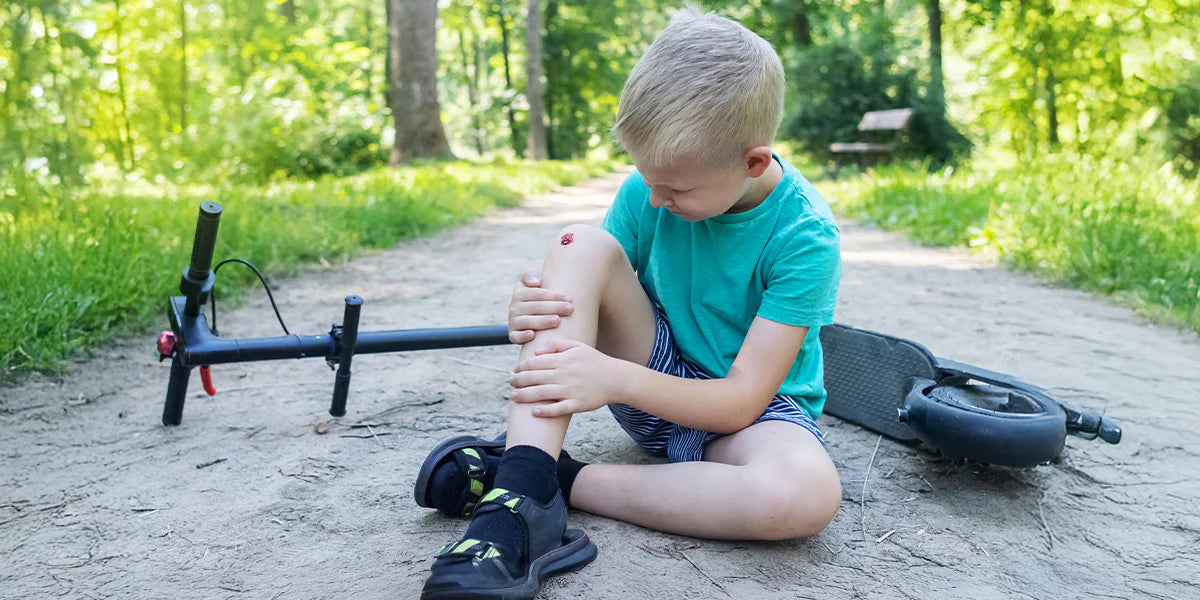
When parents skip a quick inspection, they leave toddlers vulnerable to accidents caused by unnoticed mechanical issues. Young riders don’t recognize loose bolts, misaligned handlebars, or unstable frames until those problems cause a fall. What seems like a small oversight can quickly turn into a serious injury because toddlers trust their scooter completely—they ride without anticipating failures.
Check 1 — Brake Function in 30 Seconds
Performing a 30-second brake check is the most critical safety step for a toddler's scooter, as their reaction times are still developing.
Quick-Snap Brake Test (30 Seconds)
•Visual Check (5s): Flip scooter, clear debris from brake/wheel.
•Spring Test (10s): Press brake—should move smoothly and snap back instantly.
•Rolling Stop (15s): Push scooter forward, press brake—rear wheel must lock immediately.
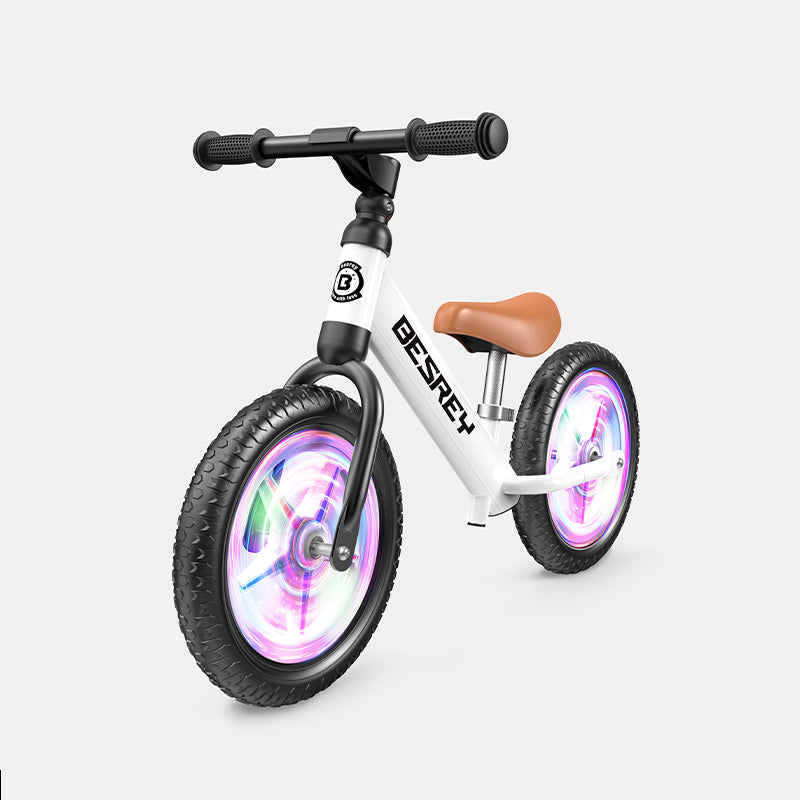
If the brake doesn’t stop the wheel firmly, it’s a clear sign something needs attention. Start by tightening the screws around the brake and wheel housing—loose hardware often causes poor performance. For kids’ scooters with light-up wheels, an extra step is essential: make sure the brake doesn’t rub against or block the LED mechanism.
Check 2 — Fold Joint Lock & Movement
For any scooter with a folding mechanism, the joint lock is a critical failure point. If it’s not secure, the scooter could collapse while your toddler is riding, leading to a forward fall.
Double-Click Stability Test (30 Seconds)
Visual Lock (10s): Check folding lever/button clicks into place; safety pin flush with frame.
Stress Shake (10s): Hold handlebars and deck, shake firmly—no wobble at the joint.
Weight Press (10s): Push down on handlebars—joint must stay solid.
Toddlers lean on handlebars for balance, so a shaky folding joint makes steering unstable and disrupts their center of gravity. If the joint collapses, it can cause sudden falls—facial injuries are among the most common results.

Check 3 — Clamp & Handlebar Security
The clamp is the most overlooked safety component. If the clamp is loose, the handlebars can suddenly sink or rotate independently of the front wheel, causing a toddler to lose control instantly.
Twist and Press Security Test (30 Seconds)
Wheel-Lock Twist (10s): Hold front wheel, twist handlebars—wheel and bars must move together.
Height Lock Press (10s): Lock handlebars at full height, press down—bar should not slide.
Grip Tug (10s): Pull grips outward—they must stay tight and secure.
For new scooter assembly safety, this step is crucial—factory settings may not be tight enough after shipping. Even a scooter that looks “ready to ride” may have parts that aren’t tightened enough to withstand a toddler’s weight or movement. That’s why a careful post-assembly check is crucial: it ensures handlebars are aligned, clamps are secure, and brakes respond properly before your child takes their first ride.
The 60-Second Roll Test
After checking each individual part, it’s important to confirm how the scooter performs as a whole, and that’s where a short roll test comes in.
Straight & Silent Roll Test (60 Seconds)
Free-Spin (20s): Spin each wheel—should roll smoothly, no wobble or grinding.
Axle Tug (20s): Pull wheels sideways—no play or looseness.
Ghost Roll (20s): Push scooter forward—must roll straight, not veer.
Toddlers are still learning to steer. If a scooter naturally pulls to one side, they won't have the strength or coordination to fight the pull, leading to frustration or a collision. Additionally, because toddler scooters have small wheels, a loose axle bolt can unscrew very quickly due to the high RPMs (rotations per minute) of small wheels.

Conclusion
A 5-minute scooter safety check is one of the simplest, most effective ways to protect your child while also extending the scooter’s lifespan. By checking the brake, folding joint, and handlebar clamp, parents can catch small issues before they become dangerous. This routine not only prevents avoidable accidents but also reduces long-term wear on the scooter, saving families from costly repairs or replacements. Most importantly, it gives parents peace of mind—knowing that every ride begins with safety as the top priority.
Scooters with exciting extras—like light-up wheels—are built to spark joy and make riding more engaging for toddlers. However, safety must always come before entertainment. A scooter that looks appealing but has loose parts, weak brakes, or unstable joints can quickly turn playtime into an accident. Parents should treat the fun features as a bonus, not a substitute for safety checks. By ensuring the scooter is secure and reliable first, families can enjoy the added sparkle of light-up wheels with peace of mind, knowing their child’s well-being is protected.
Article credit:
https://rforrabbit.com/blogs/articles/kids-scooter-safety-tips
https://retrospec.com/blogs/gear-guides/scooter-maintenance-tips-for-parents#:~:text=Scooters%20are%20built%20for%20action,your%20rider%20gliding%20with%20confidence
https://www.besrey.com/blogs/top-picks/when-should-kids-start-riding-a-scooter-a-parent-s-guide
https://www.besrey.com/blogs/news/the-best-toddler-scooter#:~:text=Toddlers%20don't%20steer%20the%20handlebars;%20they%20lean,to%20prevent%20falls%20due%20to%20sharp%20turns
https://www.ubuy.com.ni/en/product/1GD9F47O-razor-a3-kick-scooter-for-kids-larger-wheels-front-suspension-wheelie-bar-lightweight-foldable-and-a?ref=hm-google-redirect