
Besrey - Apr 26 2026
Toddler Scooter Safety Checklist: 7 Features Parents Should Check First

Atoddler's first scooter is often more than just a toy—it's a milestone. It encourages balance, coordination, confidence, and independent movement. But before the excitement of that first ride, parents face an important question: how do you choose a safe toddler scooter?
If you're shopping for a scooter for 2-year-old safe enough for daily adventures, this guide will walk you through exactly what to look for.
Why Scooter Safety Matters More Than Speed
For toddlers, riding isn't about going fast—it's about learning control.At ages two and three, children are still developing essential gross motor skills. Balance, steering, braking, and spatial awareness are all works in progress. A scooter that prioritizes stability over speed helps toddlers build these skills gradually and safely.
According to the American Academy of Pediatrics, wheeled toys can significantly benefit physical development when used appropriately and under close supervision. However,improper equipment or unsafe riding environments can quickly increase the risk of falls and injury.
A properly designed toddler scooter should support:
● Balance development● Coordination● Controlled movement● Confidence-building
The goal is not performance—it's progression.
7 Safety Features Parents Should Check First
Choosing a safe toddler scooter starts with the right design. Here are the seven features that matter most.
1. Wide, Stable Deck
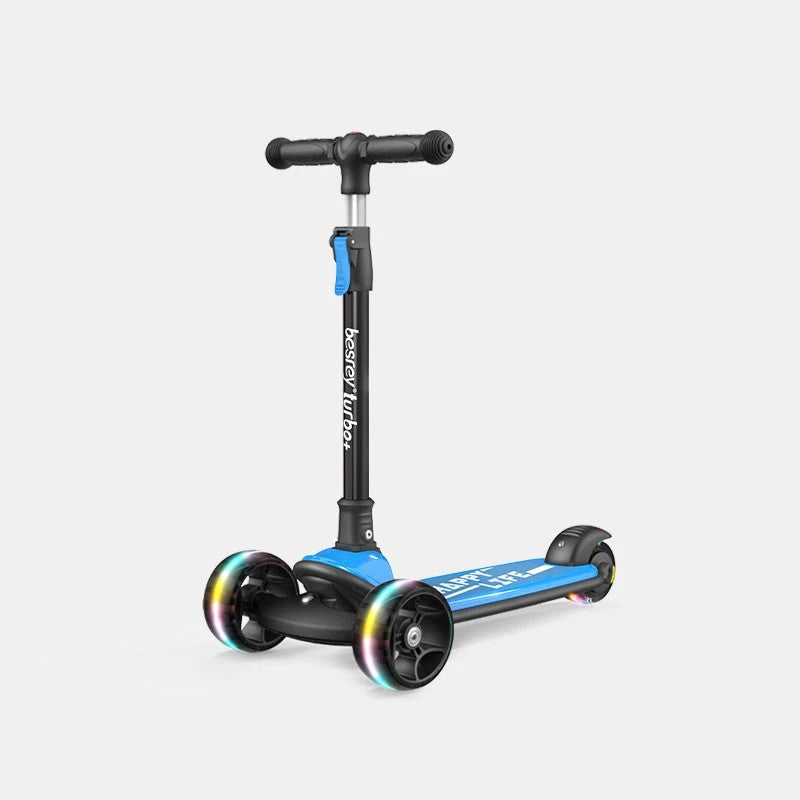
A wider deck gives toddlers more room to place both feet securely.This added stability helps prevent slips and makes it easier for beginners to maintain their balance while learning.Look for a low-profile deck that sits close to the ground.
2. Three-Wheel Design
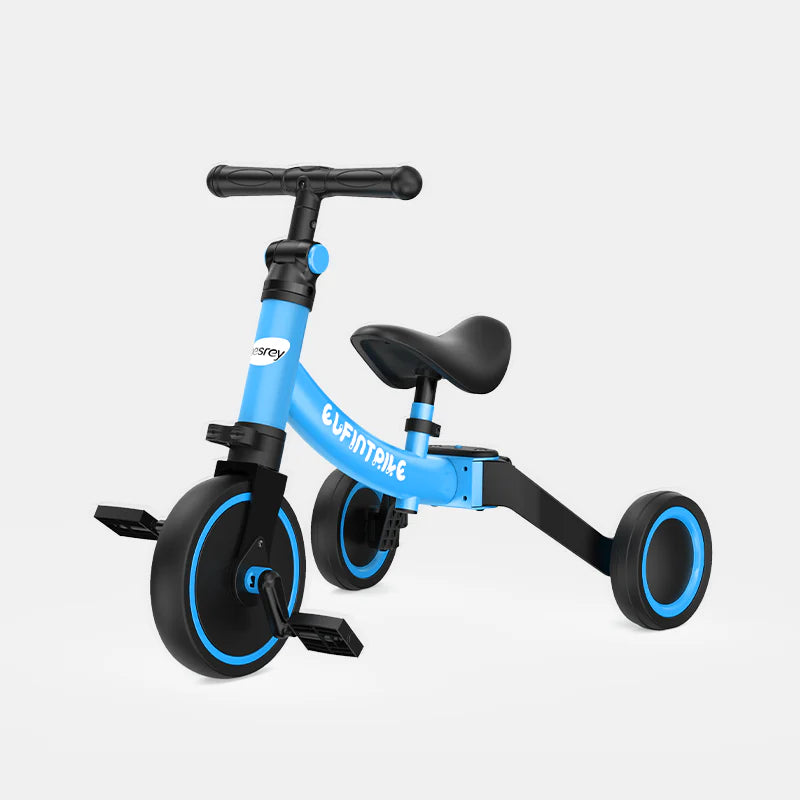
For young riders, three wheels offer significantly greater stability than two.A two-wheel scooter requires advanced balance and steering skills that most toddlers simply haven't developed yet.A three-wheel scooter is almost always the safest choice for beginners.
3. Lean-to-Steer Mechanism
Traditional handlebar turning can feel unnatural for toddlers.Lean-to-steer systems allow children to turn by shifting their body weight, which aligns more naturally with early motor development.This design encourages better balance and smoother steering.
4. Non-Slip Deck Surface
Toddlers often reposition their feet while riding.A textured, non-slip deck helps keep little shoes securely in place, even during longer rides or sudden stops.This small detail makes a big difference.
5. Responsive Rear Brake
Stopping safely is just as important as starting.A wide rear foot brake should be easy for small feet to reach and apply.The best scooters allow gradual, controlled stops rather than abrupt halts.
6. Adjustable Handlebars
Children grow quickly.An adjustable handlebar ensures the scooter remains ergonomically appropriate as your child gets taller.Proper handlebar height improves posture, comfort, and control.
7. Durable, Smooth-Rolling Wheels
High-quality wheels provide a smoother, more predictable ride.Polyurethane wheels are often preferred because they roll quietly, absorb small bumps, and offer excellent traction.Smooth wheels help toddlers focus on balance rather than surface irregularities.
What Age Is Too Early for a Scooter?
Many parents wonder whether age two is too soon.In general, most children can begin using a scooter for 2-year-old safe models if they demonstrate certain developmental signs, including:
1. Walking confidently
2. Running without frequent falls
3. Following simple directions
4. Showing interest in ride-on toys
Every child develops differently.The key is readiness—not rushing.
The American Academy of Pediatrics recommends matching riding equipment to developmental ability rather than relying solely on age labels.
Indoor vs Outdoor Riding Safety
Where your child rides matters just as much as what they ride.
Indoor riding may seem safer, but it often presents hidden hazards:
Slippery floors
Sharp furniture corners
Limited stopping space
Stair access
Indoor use is best limited to spacious, uncluttered areas.
Outdoor spaces are usually ideal, provided the environment is appropriate.
Look for:
Flat, smooth pavement
Traffic-free areas
Open visibility
Common Scooter Safety Mistakes Parents Overlook
Even with the safest scooter, mistakes can happen.Here are some of the most common toddler scooter safety oversights.
● Skipping the Helmet
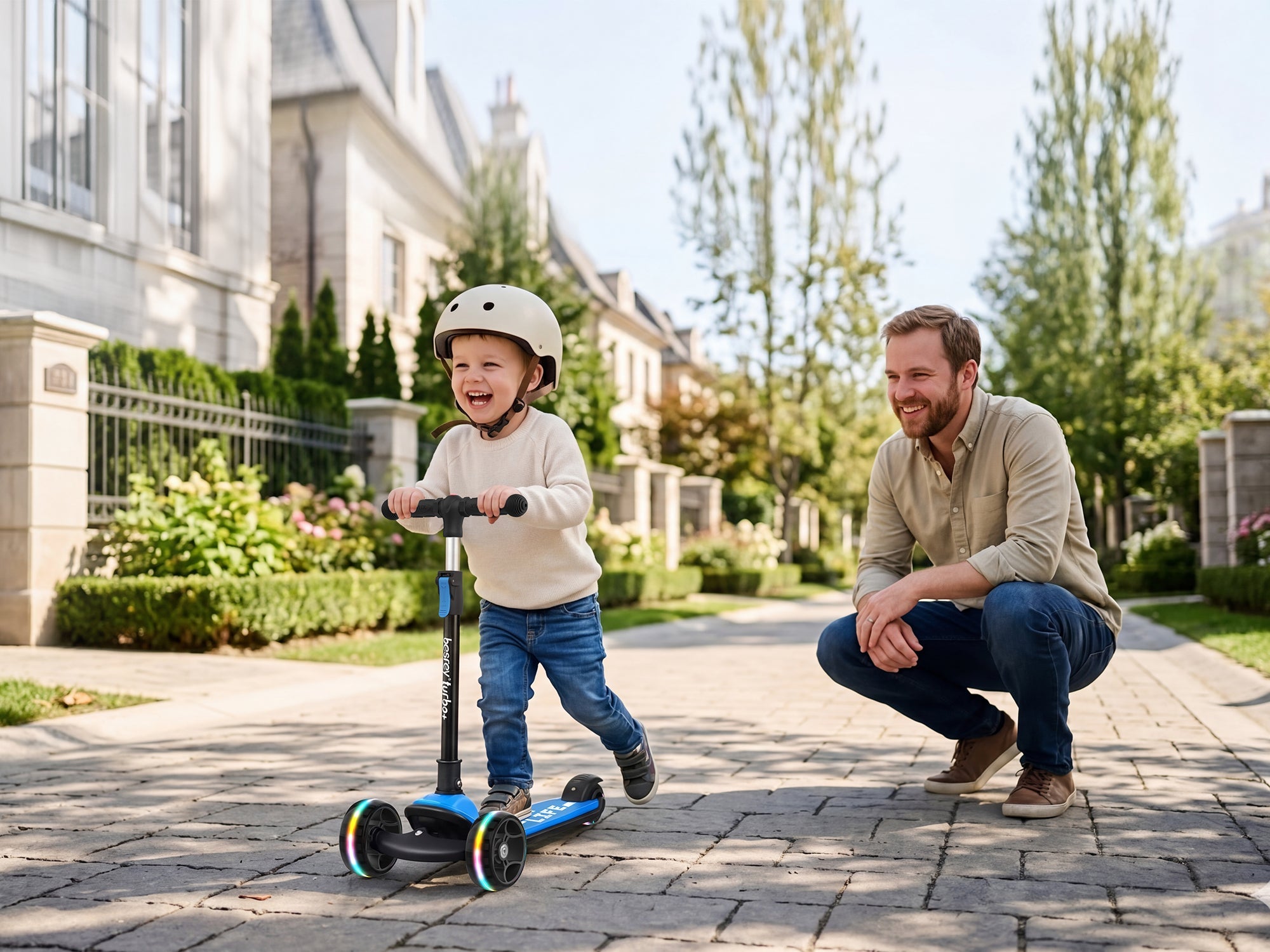
A helmet should be worn every single ride, no exceptions.
Head injuries remain one of the most serious risks associated with wheeled toys.
● Choosing a Scooter That's Too Advanced
Many parents buy scooters children can "grow into.
Unfortunately, oversized scooters are harder to control and may delay skill development.
Always choose the right fit for today.
● Riding Near Traffic
Even low-speed areas like driveways carry significant risk.
Young children can move unpredictably.
Safe riding zones should always be fully separated from vehicle traffic.
● Allowing Unsupervised Riding
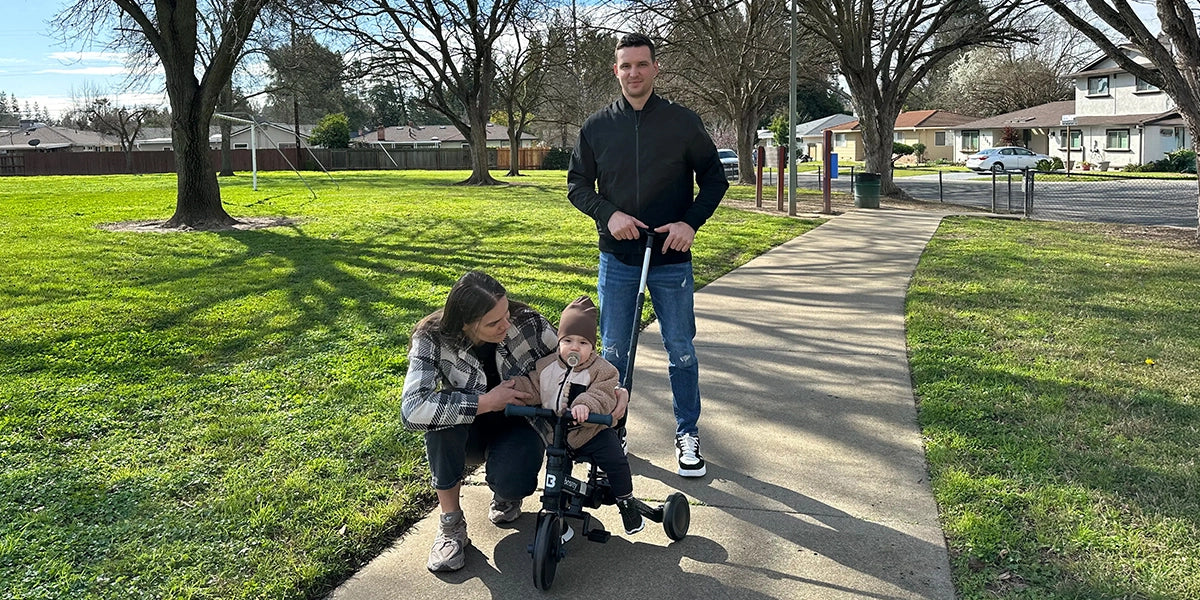
Toddlers require constant, active supervision.
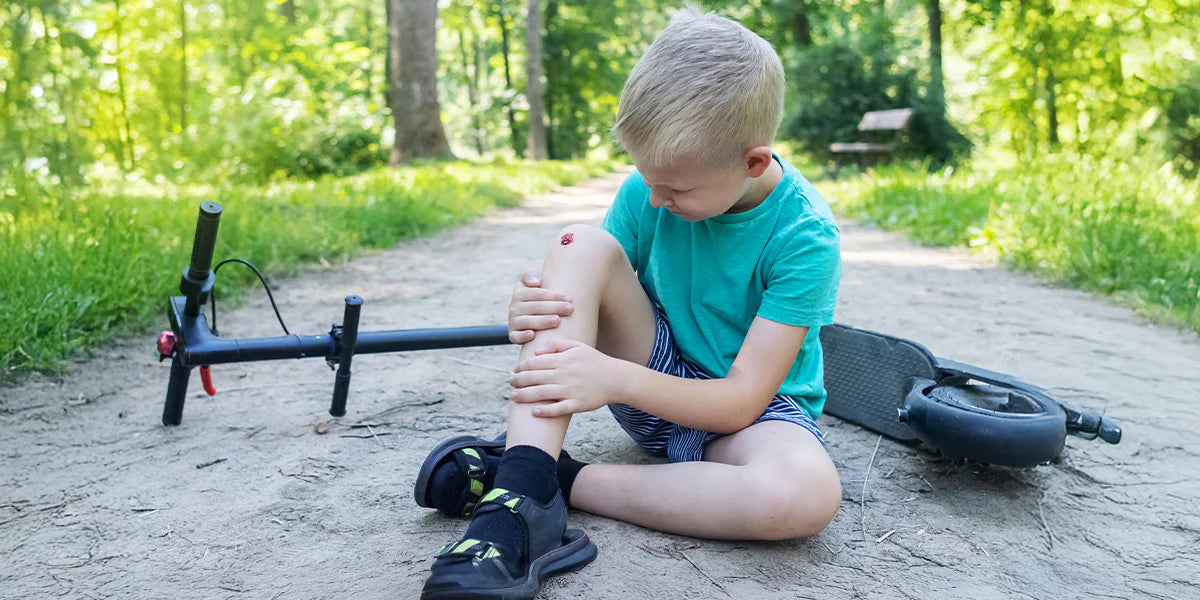
Accidents can happen in seconds.
Stay close enough to intervene immediately.
● Ignoring Surface Conditions
Wet pavement, gravel, cracks, and uneven sidewalks can all increase fall risk.
Inspect the riding area before each session.
● Additional Safety Gear Worth Considering
While helmets are essential, additional protective gear can provide extra confidence.
Consider:
Knee pads
Elbow pads
Closed-toe shoes
For beginners, these simple additions can make early falls less intimidating.
How to Know a Scooter Fits Properly
A properly fitted scooter helps toddlers ride more safely and comfortably.When standing on the deck:
Handlebars should reach between waist and chest height.
Elbows should bend slightly.
Both feet should fit comfortably on the deck.
If your child appears hunched or overstretched, the scooter may be too large.
Final Thoughts
Choosing a toddler scooter isn't about selecting the fastest or flashiest option.It's about finding one that supports your child's developmental stage while prioritizing safety at every turn.A truly safe toddler scooter offers stability, intuitive steering, reliable braking, and room to grow.With the right scooter, a properly fitted helmet, and attentive supervision, toddlers can safely develop balance, coordination, and confidence—one ride at a time.
Because the best first rides aren't the fastest.They're the safest.
Article credit:
American Academy of Pediatrics.Wheeled Sports Safety. https://www.healthychildren.org
American Academy of Pediatrics. Selecting Age-Appropriate Ride-On Toys. https://www.healthychildren.org
U.S. Consumer Product Safety Commission. Scooter Safety Guidelines. https://www.cpsc.gov
Safe Kids Worldwide. Scooter Safety Tips for Families. https://www.safekids.org