
Besrey- Mar 26 2026
Why Balance Bikes Are a Growth Tool for Toddlers—Not Just Another Ride-On Toy

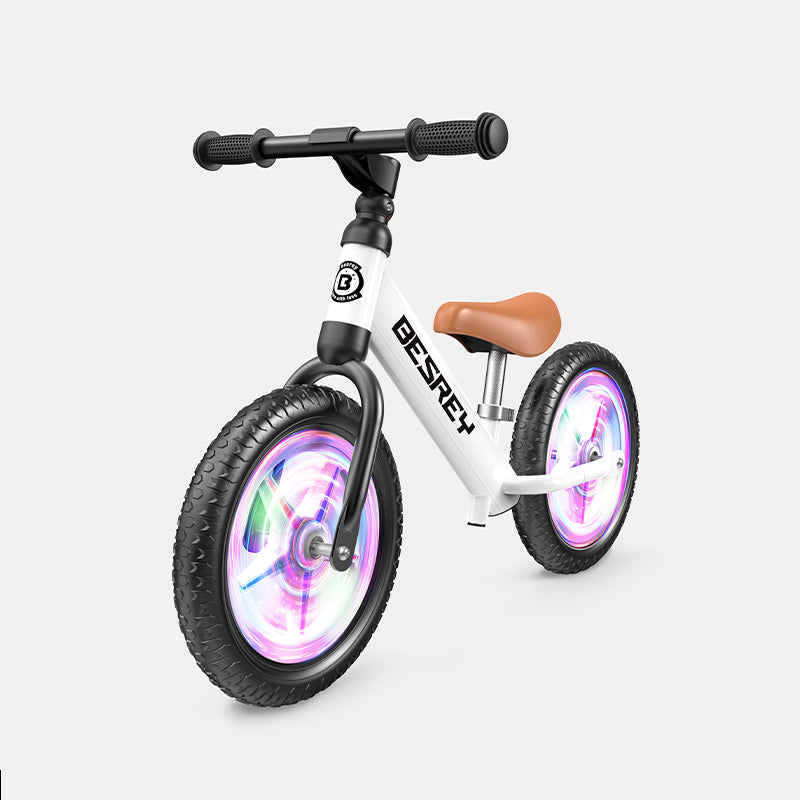
When parents start searching for the best balance bike for a 2-year-old, the goal usually sounds simple:
a fun toy… something for the backyard… maybe a way to burn off that endless toddler energy.
But here’s the surprising truth:
A balance bike isn’t just a toy — it’s one of the most powerful early-development tools you can give a toddler.
Parents often realize this only after their child starts riding — when they suddenly see more confidence, better coordination, and that unmistakable sparkle of independence.
And this isn’t just parents’ intuition.
Early-childhood experts and global health organizations are saying the same thing.
The World Health Organization (WHO) emphasizes:
“Young children need plenty of active movement each day to support motor development and coordination.”
And according to the American Academy of Pediatrics (AAP):
“Early balance, coordination, and active motor exploration have long-term benefits for children’s physical ability and confidence.”
In other words:
A balance bike isn’t just helping your toddler glide — it’s helping them grow.
This is why balance bikes have become a favorite among families, pediatric therapists, and early-education specialists worldwide.
Balance Bikes Don’t Just Teach Gliding—They Build Skills That Shape Childhood
Many parents think toddler balance bikes only teach… well, balance.
But the truth is, they help toddlers develop four major abilities that influence their long-term physical and emotional growth.
1.Core Strength & Full-Body Coordination
(Aligned with WHO’s early movement recommendations)
While gliding, toddlers instinctively shift weight, stabilize their torso, and navigate space. This builds:
Core strength
Full-body coordination
Spatial awareness
This is exactly why children who start with balance bikes often skip training wheels entirely and transition straight to pedal bikes.
2. Decision-Making & Risk Assessment
(Consistent with AAP guidance on healthy exploration)
Steering, braking with their feet, judging slopes, and choosing speed all help toddlers form early decision-making skills:
“Is this pace too fast?”
“How do I get around that bump?”
“Should I stop here?”
AAP notes that:
“Safe, guided risk-taking and independent exploration help children develop sound judgment.”
A balance bike is the perfect environment for this—freedom, with a safety net.
3. Emotional Confidence & Resilience
Each small achievement—gliding a little farther, turning smoothly, or staying balanced—gives toddlers a sense of competence:
“I did it myself!”
“I’m brave!”
“I can try again!”
Psychologists call this a sense of agency, a foundational element of confidence and emotional resilience.
4. Better Social Engagement & Curiosity
Balance bikes naturally encourage toddlers to:
Participate in outdoor play
Interact with peers
Show new skills
Explore larger environments
It boosts both social confidence and curiosity—qualities that rarely emerge from sedentary indoor toys.

Benefits of Balance Bikes for Toddlers
Balance bikes may look simple, but when you ask why choose a balance bike, the answer becomes clear: for toddlers, they’re one of the most effective early-development tools ever created. Behind every glide, turn, and tiny push forward, your child is building real physical and cognitive skills that set the stage for confident movement later in life.
Here are the key benefits—explained in a way that resonates with parents:
1. Builds Balance & Coordination (the foundation of all movement)
Toddlers must control their core, shift their weight, and steer all at once.
This strengthens:
Core muscles
Body coordination
Spatial awareness
These are the same skills kids need for running, climbing, jumping—and eventually, pedaling a bike.
2. Encourages Active Movement (aligned with WHO guidance)
The World Health Organization (WHO) stresses the importance of daily physical activity for young children, noting:
“Young children need plenty of active movement each day to support motor development and coordination.”
A balance bike naturally motivates toddlers to move more, explore more, and spend more time outdoors.
3. Boosts Confidence & Independence
The moment toddlers realize “I can do this myself!”, everything changes.
Each ride helps them develop:
Self-confidence
Emotional resilience
A sense of independence
Small victories on the bike translate into bolder, more confident behavior in other parts of life.
4. Improves Early Decision-Making Skills (supported by AAP principles)
Riding a balance bike teaches toddlers to judge speed, distance, and obstacles.
They learn:
How fast is safe
When to slow down
How to navigate around things
The American Academy of Pediatrics (AAP) notes that early motor exploration helps children build long-term confidence and better physical skills.
5. Safer Introduction to Riding
Toddlers control their speed with their feet, making balance bikes safer than starting directly with pedal bikes.
They can:
Stop instantly
Adjust pace easily
Stay in control at all times
This gradual learning process reduces fear and falls.
6. Speeds Up the Transition to Pedal Bikes
Toddlers who start on balance bikes often skip training wheels entirely.
Most transition to pedal bikes smoothly by ages 3–4, with little frustration.
7. Promotes Outdoor Play & Healthy Habits
Balance bikes get kids excited to go outside.
More outdoor play means:
Less screen time
Better sleep
Stronger motor skills
Healthier routines for life
8. Strengthens Social Skills
At parks or playgrounds, toddlers love showing off their new “big kid” skills.
Balance bikes encourage:
Interaction
Sharing
Cooperative play
It becomes both a physical and social activity.

Why Parents Worldwide Prefer Balance Bikes for 2-Year-Olds
✔ Faster Transition to Pedal Bikes
Most balance-bike riders learn to pedal by age 3–4—with no frustration or training wheels.
✔ Full-Body Development
Unlike static toys, balance bikes challenge toddlers to think, move, and react, making them superior for motor development.
✔ Encourages Daily Physical Activity
WHO recommends toddlers accumulate at least 180 minutes of active play per day—balance bikes make this incredibly easy.
✔ Safer and Easier to Control
Toddlers use their feet to manage speed, making balance bikes safer than starting directly with pedal bikes.
What Parents Should Watch For When Toddlers Use Balance Bikes
1. Sizing Matters Most
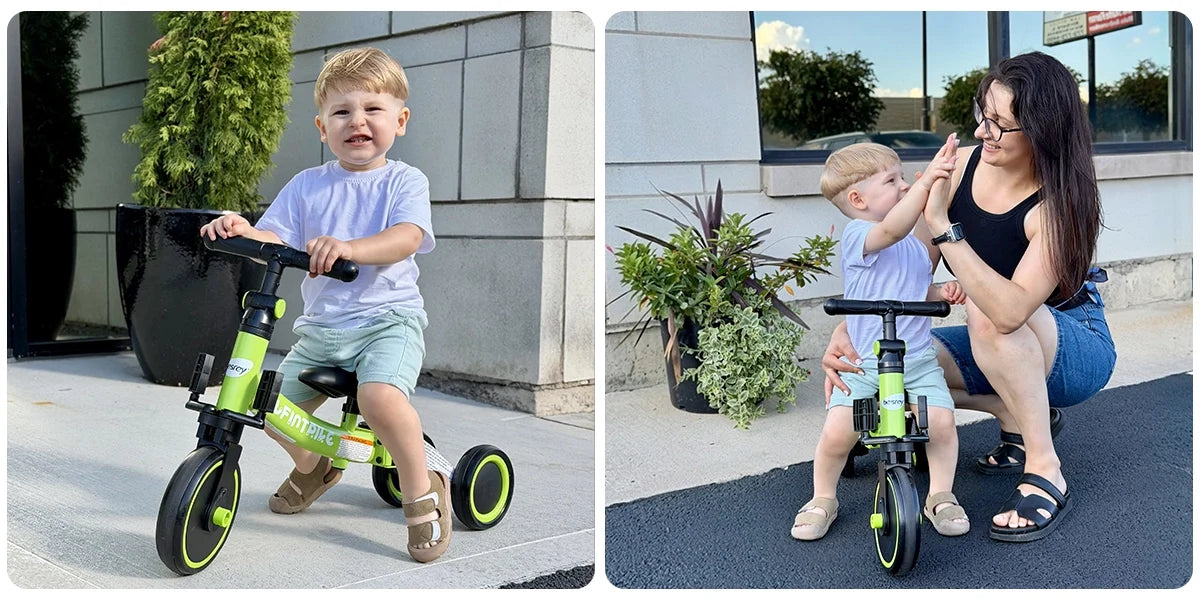
Your toddler should be able to:
Sit fully on the seat
Place both feet flat on the ground
Glide comfortably
2. A Helmet Is Non-Negotiable
Even at low speeds, it’s essential protection.
3. Begin on Flat, Safe Ground
Grass, smooth paths, or parks are ideal.
4. Let Them Learn at Their Own Pace
Some children glide on day one; others take weeks. Both are perfectly normal.
5. Check the Bike Regularly
Look at tire pressure, handlebar tightness, seat height, and frame condition.
Conclusion: A Balance Bike Is a Toddler’s First “Freedom Machine”
A balance bike is not just a ride-on—it’s a growth tool.
It supports early childhood development in ways backed by global health and pediatric guidance:
Builds coordination and core strength (WHO)
Encourages independent exploration (AAP)
Strengthens confidence and emotional resilience
Makes outdoor play exciting and easy
If you're choosing a balance bike for a 2-year-old, this may be one of the most meaningful gifts you can give your toddler’s development—and their joy.
Article credit:
World Health Organization (WHO).
Guidelines on Physical Activity, Sedentary Behaviour and Sleep for Children Under 5 Years of Age.
2019.
https://www.who.int/publications/i/item/9789241550536
American Academy of Pediatrics (AAP).
The Importance of Play in Promoting Healthy Child Development and Maintaining Strong Parent-Child Bonds.
Pediatrics, 2007.
https://publications.aap.org/pediatrics/article/119/1/182/70378/The-Importance-of-Play-in-Promoting-Healthy-Child
American Academy of Pediatrics (AAP).
Encouraging Safe Exploration and Healthy Risk-Taking in Young Children. (HealthyChildren.org)
https://www.healthychildren.org/English/healthy-living/emotional-wellness/Building-Resilience/Pages/Supporting-Healthy-Risk-Taking.aspx