

Besrey - Dec.29 2025
Teach Foot Braking Without Destroying Shoes: Technique & Heel Guards

Many toddlers instinctively drag their toes to slow down, chewing through shoes and losing control. This guide teaches a heel-first braking method that protects footwear and helps kids stop smoothly and safely.
Why Shoes Wear Out—And How to Stop It
Toe drag (the problem): Kids point toes downward and scrape the ground. Shoes die fast; stopping is jerky.
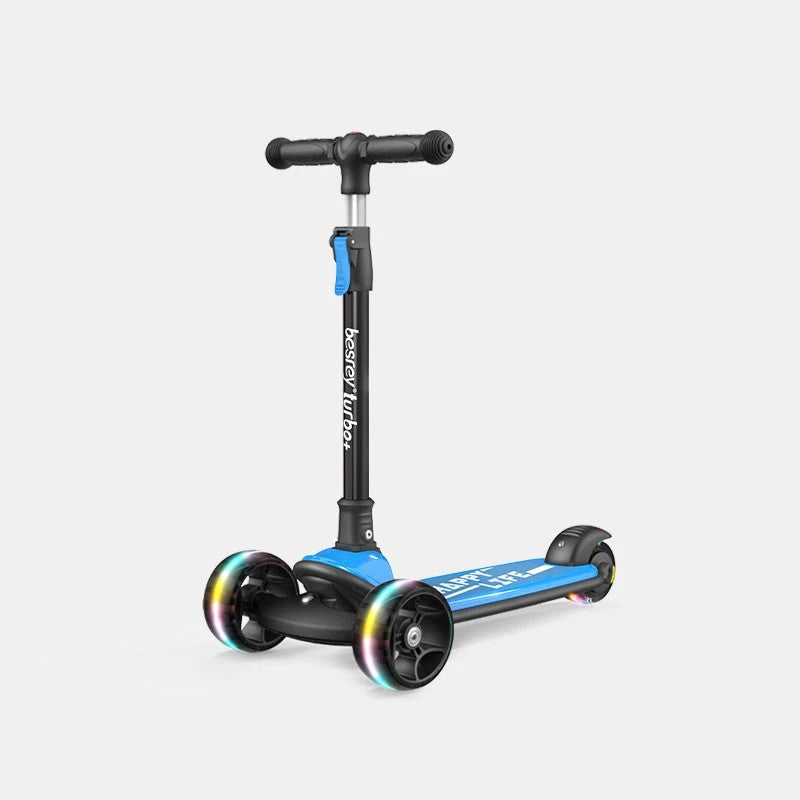
Controlled heel braking (the fix): Shift weight slightly back, land the heel on the fender/brake zone, feather pressure to slow, then press to a stop.
Setup: Body Position That Makes Braking Easy
Stance: Front foot on the deck, rear foot hovering above the brake.
Hands: Both hands on the bars; keep the bars straight while braking.
Eyes: Look ahead—kids brake better when they’re not staring at their feet.
Coachable 5-Step Cue (Say It Out Loud)
Eyes up → Shift → Heel → Feather → Stop
1. Eyes up: Look where you’re going.
2. Shift: Move your weight slightly back.
3. Heel: Touch your heel to the brake/fender (not the toe).
4. Feather: Apply gentle pulses to reduce speed.
5. Stop: Press smoothly until fully stopped, then step down.

10–15 Minute Progressive Drills
Cone stops: Place two cones 5–8 meters apart. Glide, then brake at the second cone. Repeat.
Feather-only lane: In a marked lane, practice slowing without fully stopping—just light taps.
Mini-slope practice (later): After flat-ground mastery, try a very gentle slope. Keep speed low and repeat the same cues.
Shoe-Saving Gear and Scooter Setup
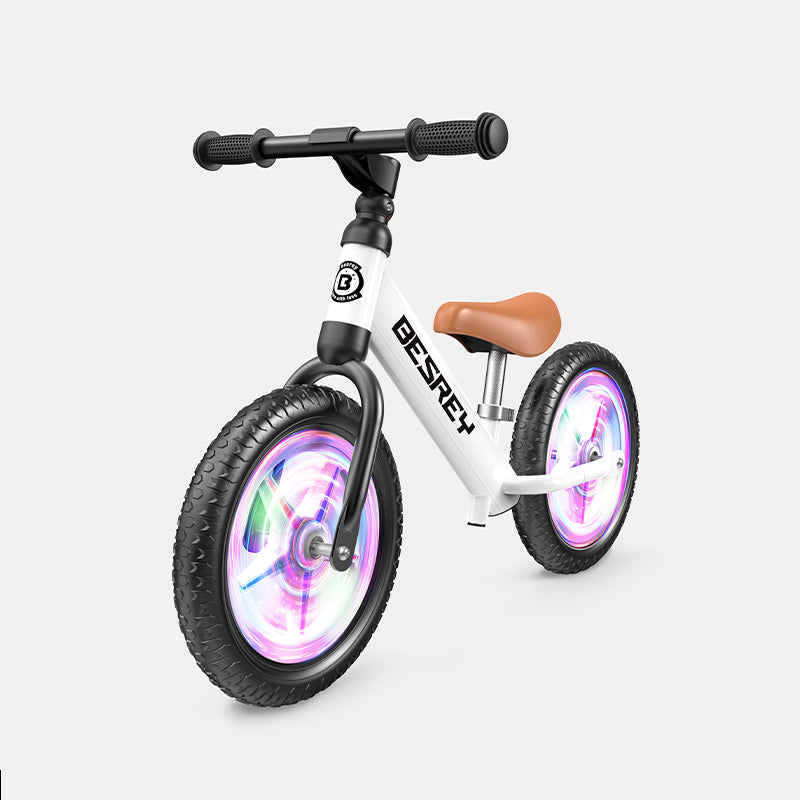
Heel guards/caps: Clip-on or adhesive heel protectors preserve shoes and give tactile feedback on where the heel should land.
Brake fender check: Edges should be smooth, with no burrs to snag fabric.
Shoe choice: Reinforced heel and grippy rubber soles last longer.

Safety Reminders for Parents
Always wear a properly fitted kids’ helmet.
Keep initial practice sessions short and positive.
Revisit braking on the first warm day after winter or after growth spurts—fit and coordination change quickly.