
Besrey - Jan 31 2026
First Ride of the Year: Tricycle vs 3-Wheel Scooter—Use Case & Budget

When the weather warms up and jackets come off, many families start thinking about that exciting milestone: your child’s first ride of the year. Whether it’s a tricycle or a 3-wheel scooter, outdoor riding builds confidence, coordination, and independence.
But parents often ask:
Should we start with a tricycle or a 3-wheel scooter?
Which is safer? Which lasts longer? Which gives better value for the money?
In 2026, both options are more refined than ever, with improved safety features and thoughtful designs. The right choice depends on your child’s age, developmental stage, outdoor space, and budget.
Let’s break it down clearly—so you can choose with confidence.
Why First Rides Matter in Early Childhood
Outdoor riding toys are more than just fun. They support:
•Gross motor development
•Balance and coordination
•Leg strength
•Spatial awareness
•Confidence and independence
For toddlers and preschoolers, riding becomes a powerful step toward bigger skills like bike riding later on.
That’s why the first ride of the year isn’t just seasonal—it’s developmental.
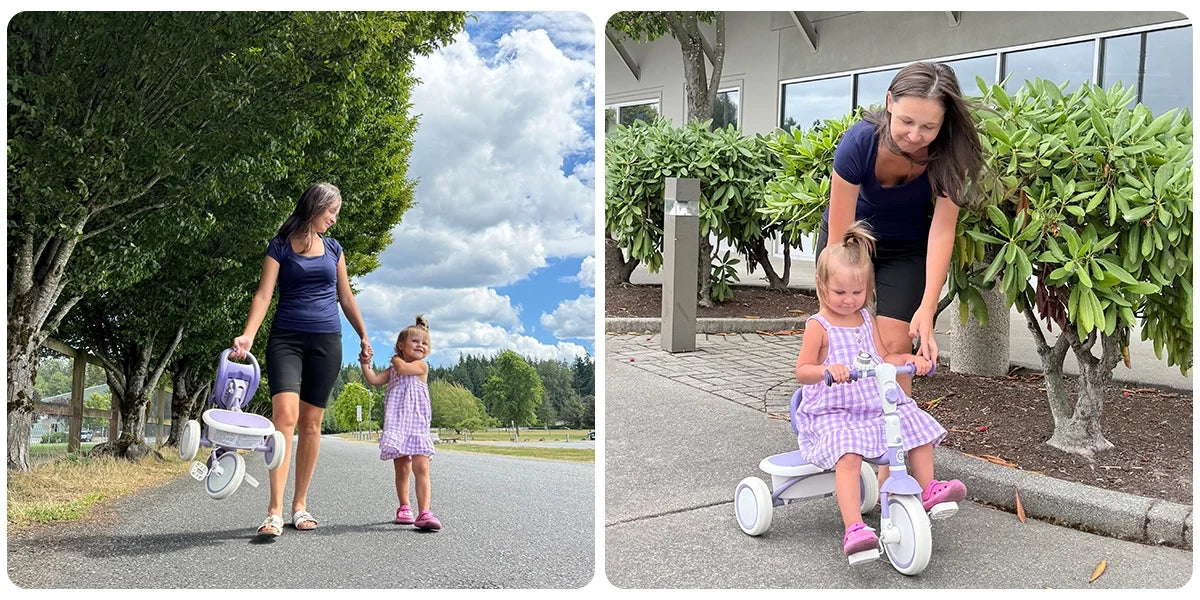
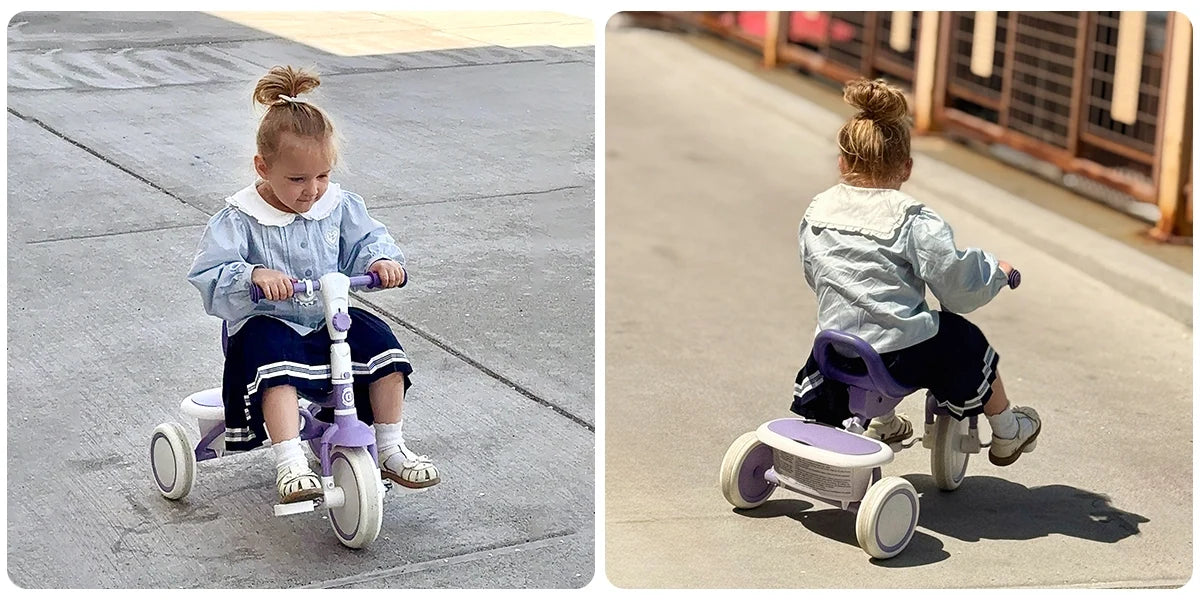
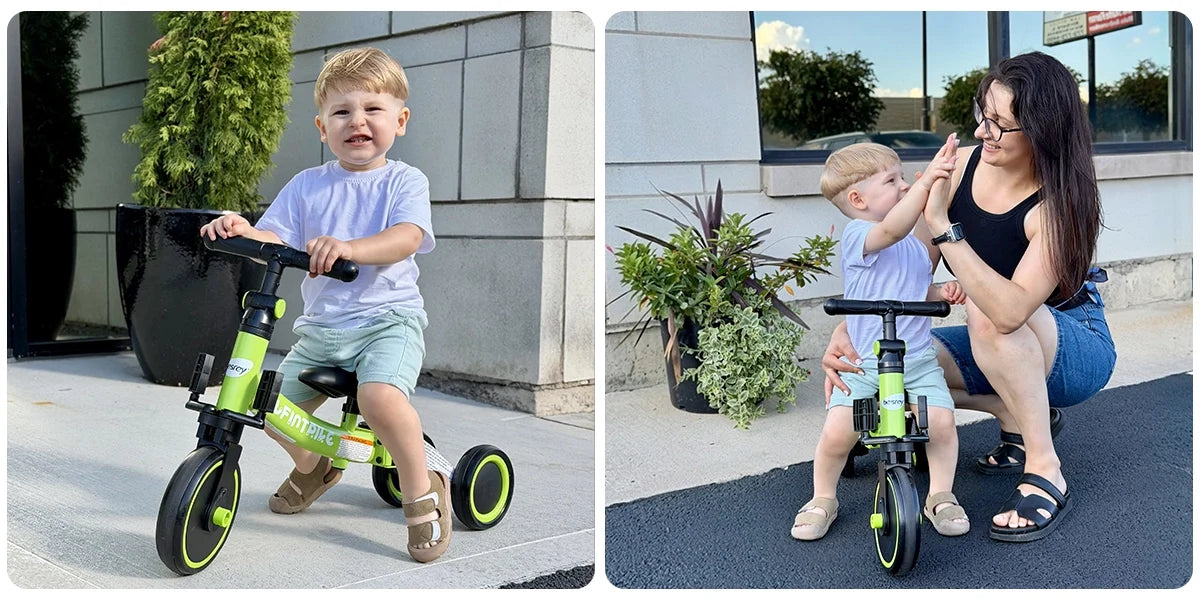
What Is a Toddler Tricycle?
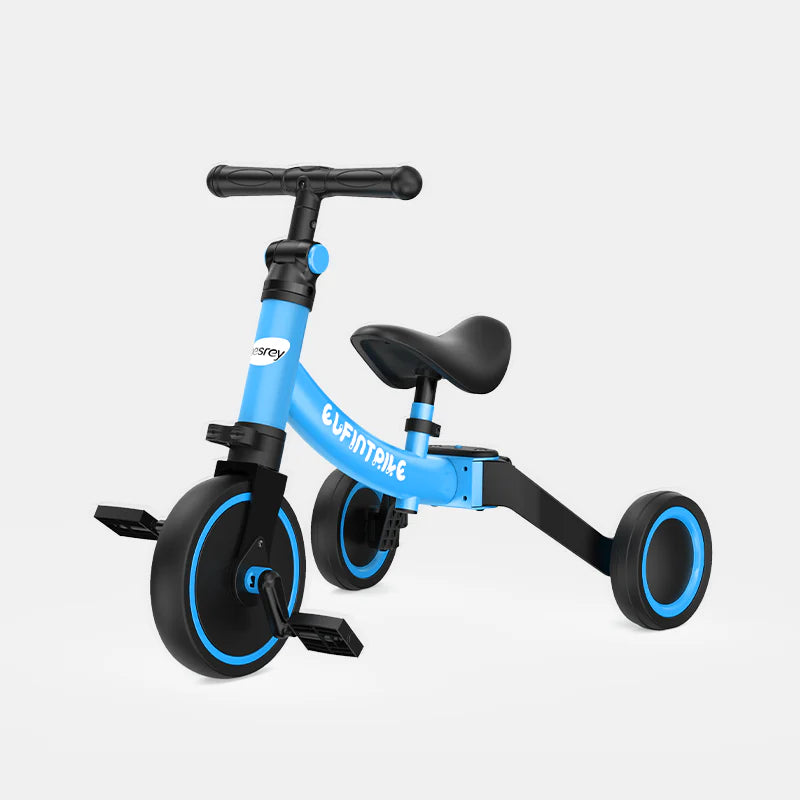
A tricycle is a three-wheeled ride-on toy with pedals and a seated position. It emphasizes stability and controlled movement.
Best Age for Tricycles
•Typically 2–4 years old
•Ideal for children who are still building leg strength
Why Parents Choose Tricycles
•Extremely stable
•Seated riding feels secure
•Great for beginners
Many modern tricycles also include:
•Adjustable seats
•Push handles for parents
•Safety harnesses (for younger toddlers)
Tricycles are often considered the “confidence starter” option.
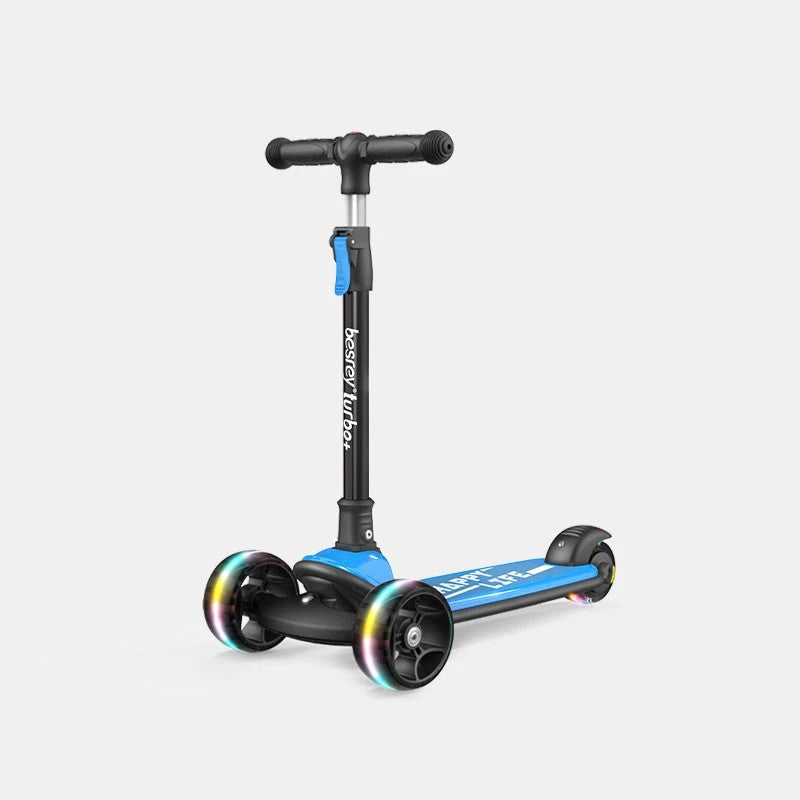
What Is a 3-Wheel Scooter?
A 3-wheel scooter (also called a kick scooter for toddlers) usually features two front wheels and one rear wheel, designed to improve balance and steering control.
Best Age for 3-Wheel Scooters
•Typically 3–6 years old
•Best for children with basic balance control
Why Parents Choose 3-Wheel Scooters
•Encourages dynamic balance
•Develops steering coordination
•Longer usage lifespan
Unlike tricycles, scooters require:
•Standing balance
•Weight shifting to steer
•Coordination between pushing and gliding
This makes them slightly more advanced—but also more skill-building.
Stability Comparison: Which Is Safer for Beginners?
Tricycle Stability
Tricycles are extremely stable due to:
•Low center of gravity
•Wide wheel base
•Seated riding position
This makes them ideal for:
•Younger toddlers
•Cautious children
•First outdoor experiences
3-Wheel Scooter Stability
Three-wheel scooters are stable compared to two-wheel scooters—but they still require balance.
They are best for:
•Confident walkers
•Children ready for movement control
•Kids who enjoy faster motion
For absolute beginners, tricycles typically feel safer.

Skill Development: What Does Each One Teach?
Tricycle Skills
•Pedal coordination
•Forward motion control
•Steering with handlebars
•Endurance building
3-Wheel Scooter Skills
•Dynamic balance
•Weight shifting
•Core stability
•Reaction control
Scooters often prepare children more directly for riding a two-wheel bike later.
Space Considerations: Where Will They Ride?
Tricycles
•Need more turning radius
•Best for sidewalks, parks, driveways
•Less ideal for very tight indoor spaces
3-Wheel Scooters
•Easier to maneuver
•Better for smooth sidewalks
•Compact storage
If you live in an apartment or urban area, scooters may be easier to store and transport.
Budget Comparison: Tricycle vs Scooter (2026 Pricing)
Tricycle Price Range
•Basic models: $70–$120
•Feature-rich models: $120–$180
3-Wheel Scooter Price Range
•Entry-level: $80–$130
•Adjustable premium models: $130–$200
While scooters may cost slightly more initially, they often last longer—sometimes until age 6 or 7.
Longevity: Which One Grows with Your Child?
Tricycles
•Often outgrown by age 4 or 5
•Some convert to balance modes
•Shorter overall lifespan
3-Wheel Scooters
•Adjustable handlebars
•Can last multiple years
•Bridge toward two-wheel scooters
If long-term value matters most, scooters often win.
Safety Gear: Non-Negotiable for Both
No matter which ride you choose, safety gear matters.
Essential gear includes:
•Properly fitted helmet
•Knee pads
•Elbow pads
A stable ride doesn’t eliminate the need for protection—especially during first rides of the year when skills are rusty.

Which One Is Right for Your Child?
Choose a tricycle if:
•Your child is 2–3 years old
•They are cautious or just starting
•Stability is your top priority
Choose a 3-wheel scooter if:
•Your child is 3–5 years old
•They enjoy movement and balance challenges
•You want longer-term use
There’s no universal “best”—only what fits your child’s development and your home environment.
Final Verdict: Stability vs Skill Growth
For a true beginner, especially ages 2–3, a tricycle offers unmatched stability and confidence-building. For slightly older toddlers and preschoolers, a 3-wheel scooter provides longer-term value and stronger balance development.
In 2026, both options are safer and better designed than ever. The key is choosing the ride that matches your child’s current skills—not just their age.
Start where they feel secure. Growth will follow.