
Besrey - Feb 22 2026
Tricycles as Transitional Toys: What Comes Before and After

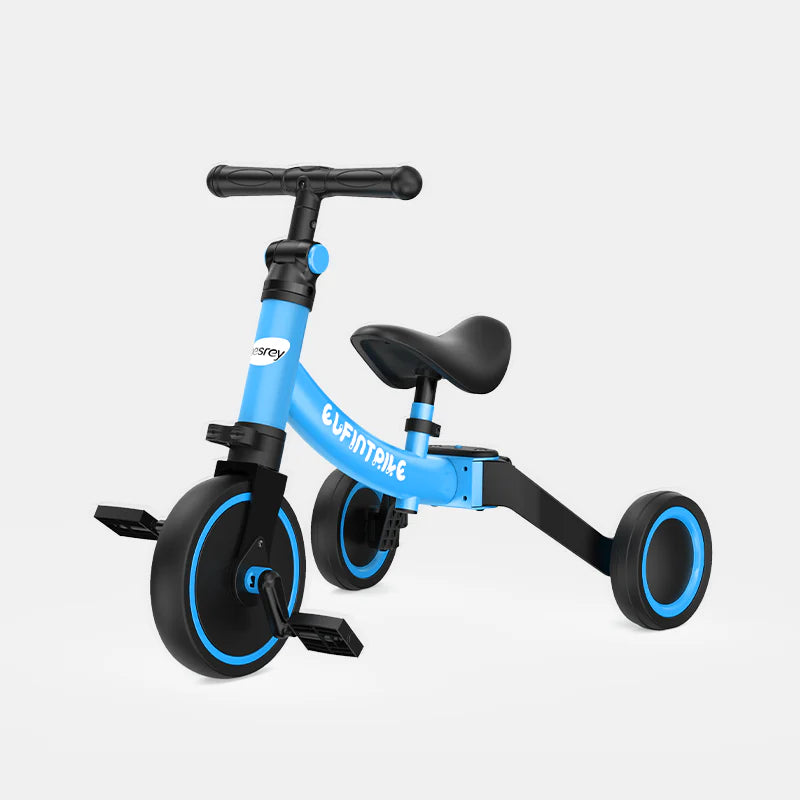
When our toddlers begin their journey toward independent mobility, we as parents often wonder which toy or tool best supports each stage of their development. A transitional tricycle is more than just a fun toy; it's a bridge connecting early toddler play with advanced skills. To understand toddler riding stages and how a tricycle vs. balance bike transition works, we'll break down indicators that will help you make better decisions. We'll explore why tricycles are often considered transitional toys, what comes before and what comes after, and how parents can support their child at each stage.
3 cs of using your blog to sell
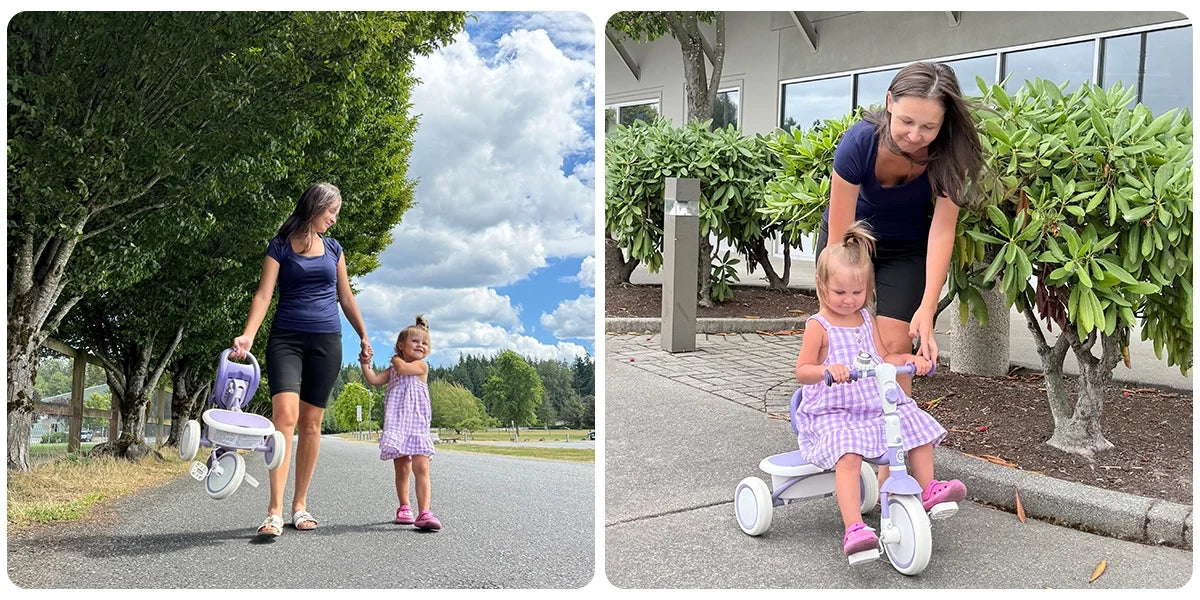
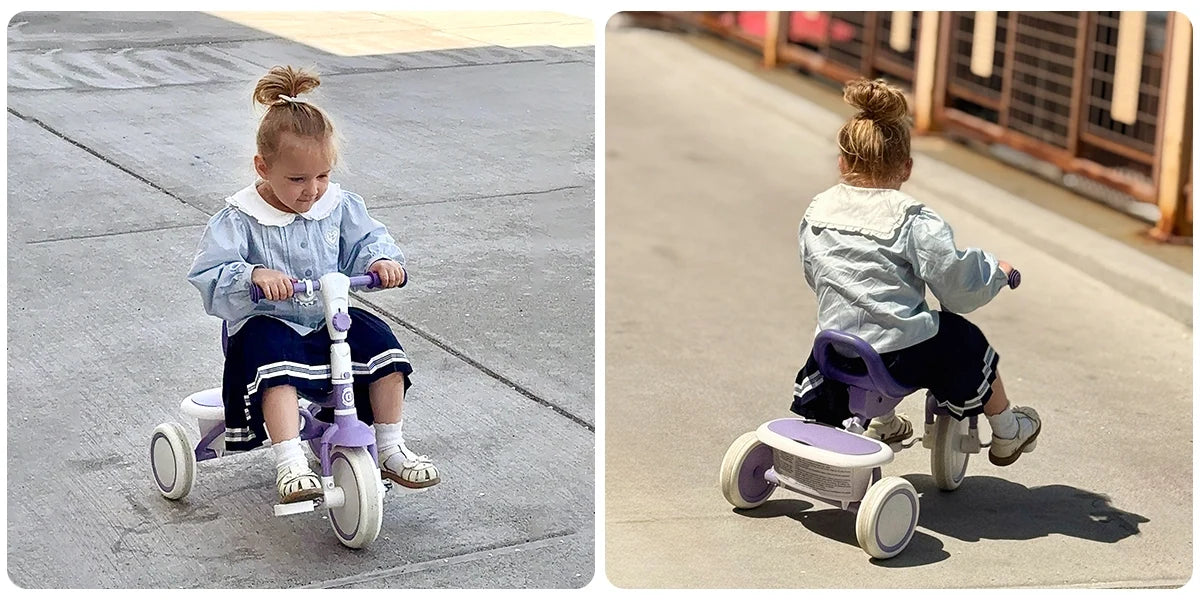
Tricycles are vital transitional tools for toddlers, typically between ages 2 and 3, because they safely develop foundational skills such as coordination, steering, and pedaling—without demanding advanced balance. These stable, three-wheeled vehicles nurture confidence, independence, and physical strength, laying the groundwork for a smooth progression to two-wheeled bicycles.
Key Reasons Tricycles Act as a Transition Tool:
▪Skill Development: Tricycles allow toddlers to master pedaling without worrying about falling, while also working on balance and coordination.
▪Confidence booster: The stable, low-to-the-ground design reduces the fear of falling, allowing children to focus on navigation and gain confidence.
▪Physical Strength: Tricycle riding develops leg and core muscles, building a strong foundation for future physical activities.
▪Serves as a bridge to balance bikes: Tricycles introduces the concept of steering and pedaling, basic and necessary skills for the next stage.
▪Cognitive and Social Growth: Navigating obstacles improves spatial awareness and decision-making and since tricycles become part of outdoor activities, they encourage social interaction and cooperative learning.
What Comes Before a Tricycle
Before our toddlers are ready to use a tricycle, they usually go through a series of stages such as:
▪Simple ride-on toys: Toddlers are still developing balance and coordination, so these toys provide a safe and engaging way to strengthen leg muscles while practicing directional movement.
▪Walking and running practice: Mastering motor skills such as walking and running short distances is essential before cycling.
▪Developmental Signs of Readiness: Toddlers can walk steadily without assistance and show interest in "driving" rather than just being pushed.
Pre-tricycle toys focus on building the foundation of movement, balance, and confidence such as rocking ride-ons or push-walkers are excellent options for beginners.

What Comes After
After mastering the tricycle, the focus shifts from pedaling to developing balance and coordination on two wheels. Depending on the child’s confidence and motor skills, there are three primary paths forward:
Stage | Typical Age | Focus Skill |
|---|---|---|
Balance Bike | 2.5– 5 Years | Core balance and leaning |
Bike with Training Wheels | 3 – 5 Years | Leg strength and continuous pedaling. |
First Pedal Bike (No Supports) | 4 – 6 Years | Combining balance, steering, and pedaling. |
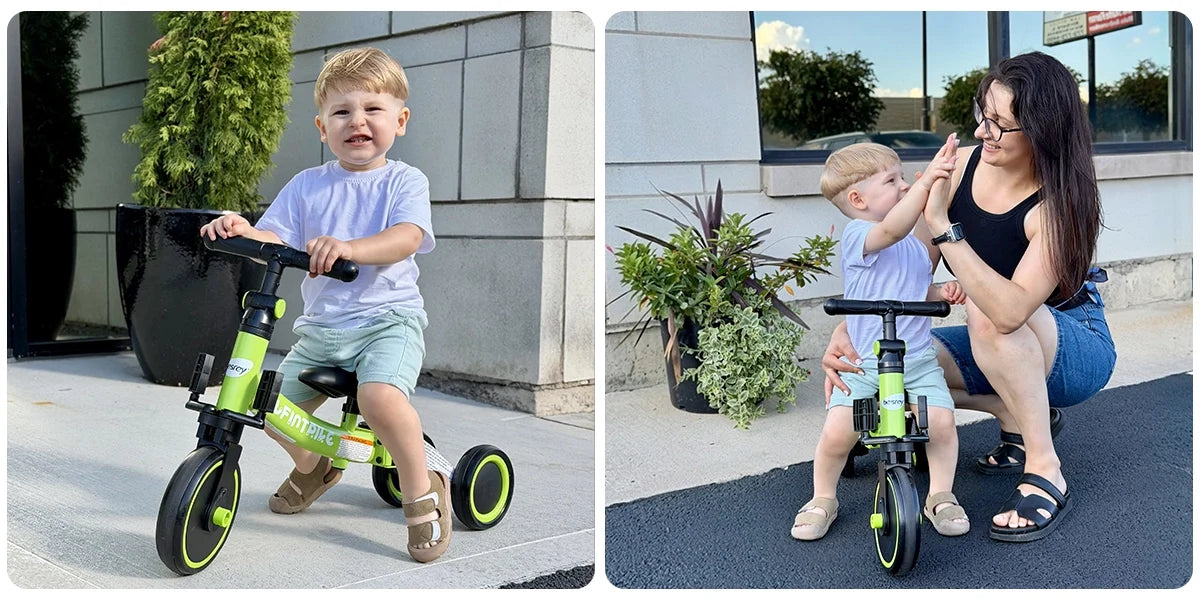
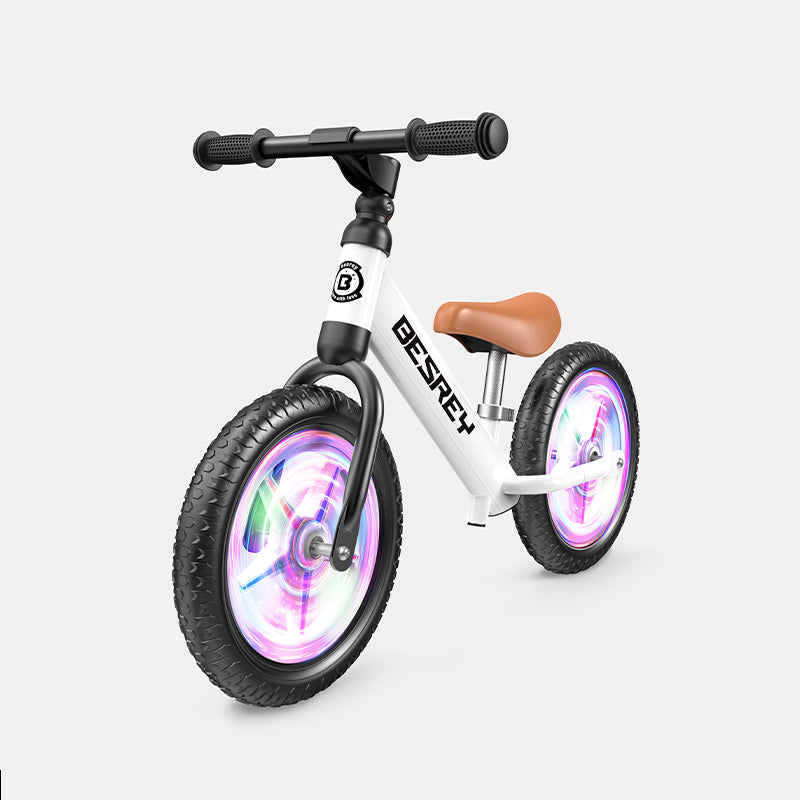
The tricycle vs balance bike transition is a pivotal stage in a child’s riding journey because it shifts the focus from pedaling power to balance mastery. While tricycles teach toddlers how to coordinate their legs, steer, and build strength, balance bikes introduce the critical skill of stability on two wheels. By removing pedals, balance bikes encourage children to use their feet for propulsion while concentrating on balance and steering.
How Parents Can Support Each Stage
As parents, we must provide guidance to our children during this stage. How can we achieve this?
Safety Habits: Start a non-negotiable "no helmet, no ride" rule now.
During the tricycle stage: We should focus on teaching children the mechanics of pedaling, thereby strengthening their confidence and developing the skills they will need for the next stage.
The Transition Stage: Whether with a balance bike or training wheels, the support will focus on building core confidence. On a balance bike, challenge them to see how many seconds they can keep their feet off the ground. This is the exact moment they are learning to balance. If using training wheels, adjust them so the bike tilts slightly from side to side.
Two-Wheeled Pedal Bike: Choose a lightweight bike if possible. Encourage your child to "walk" the bike, then move to "giant steps," and finally "kangaroo hops" where they push off with both feet and lift them to glide. If they need help, hold them by their shoulders, mid-section, or under their arms. Avoid holding the handlebars or seat. Remind them to look 10–20 feet ahead rather than down at their feet. Looking down often causes a loss of balance.

Conclusion
We must appreciate that tricycles are more than just a toy. They are transitional tools that help toddlers move from simple ride-on toys to balance bikes or even a bicycle. By understanding toddler riding stages, we as parents can support our children's growth with patience and empowerment. Whether you choose a tricycle or are preparing for the next stage, remember that this journey is about building confidence, balance, and having fun. For those parents ready to explore options, Besrey's tricycle collection offers a safe, durable, and thoughtfully designed range to support toddlers at every stage.
Article credit:
https://bikeclub.com/blogs/general/balance-bikes-vs-tricycles
https://www.littlebigbikes.com/blogs/guides-and-stories/balance-bike-vs-trike-which-is-best-for-kids#:~:text=pedals%20more%20smoothly.-,Why%20Balance%20Development%20Matters,familiar%20frame%20as%20they%20progress
https://www.doona.com/parenting-tips/are-tricycles-good-for-toddlers-benefits-for-early-development?srsltid=AfmBOor8OC9x_fr0MfxEEpTwtZZmYaqd-uChhj8JBlUoF1sJDApeMffk
https://www.ndhealth.gov/injury/publications/cpsc%20guidelines%20for%20age.pdf#:~:text=Children%2019%20through%2023%20months%20old%20can,the%20toy%20by%20pushing%20with%20their%20feet
https://www.globber.com/what-is-the-best-ride-to-get-your-little-one-a-guide-for-first-time-parents/#:~:text=Balance%20Bike:%20Balance%20bikes%20are,regular%20bike%20without%20training%20wheels
https://www.ktltherapy.com/blog/ditching-the-training-wheels#:~:text=Raise%20the%20seat%20about%20an,difficult%20for%20them%20to%20maintain