
Besrey - Feb. 20 2026
Indoor Riding vs Outdoor Riding: Using Tricycles Safely at Home

One of the concerns we face as parents is keeping our toddlers active, especially when time is limited by the weather, the size of the space, or our busy schedules. Tricycles are a favorite first ride-on toy because they build coordination, confidence, and independence. This makes us question: Is tricycle riding at home safe, or should it be reserved for outdoor spaces?
By understanding the differences between indoor tricycle safety and outdoor riding tricycle habits, it will allow parents to make informed decisions that promote development and safety. While being indoors can be convenient, it also comes with certain risks and limitations that must be considered.
Why Parents Consider Indoor Tricycle Riding
Many parents consider indoor tricycles a great way to encourage physical development and fun when going outside isn't possible. Whether it's due to weather, lack of public spaces, or safety concerns, allowing your toddler to use their tricycle indoors will not only help them burn off energy but also allow them to play safely within a controlled environment.
Key Reasons Parents Choose Indoor Riding
Weather Flexibility: It provides a reliable outlet for physical activity when it is too hot, cold, or rainy to go outside.
Skill Mastery in a Controlled Environment: Indoor spaces allow children to practice pedaling and steering without the distractions of wind, uneven terrain, or traffic.
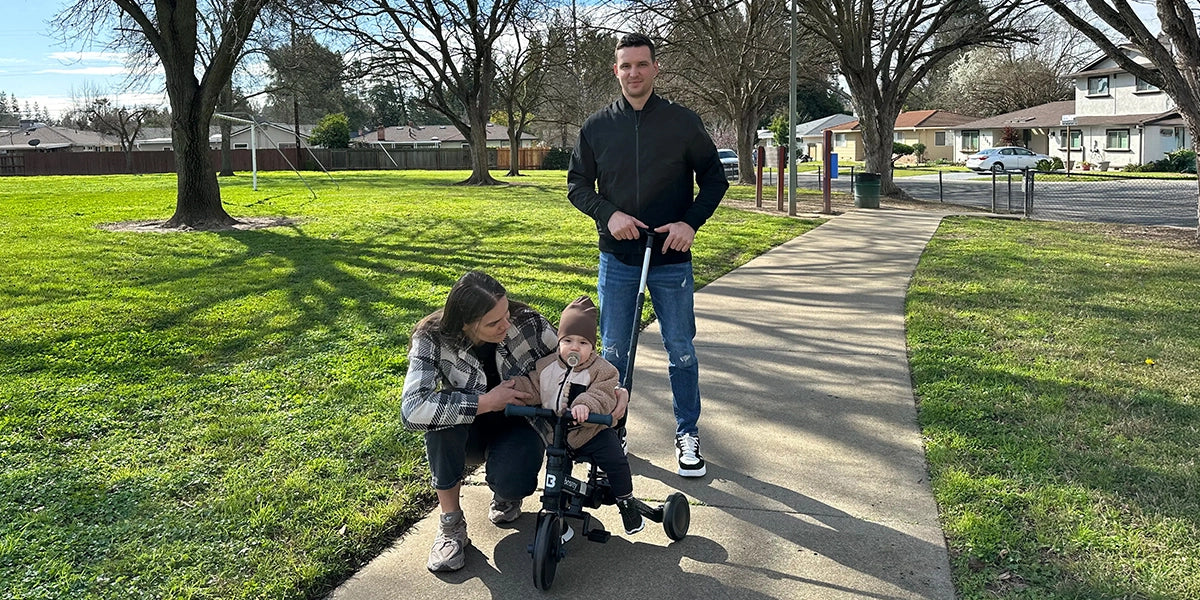
Safety and Supervision: Parents can easily monitor their child's progress while attending to other household tasks, especially with models featuring parent push handles.
Space Limitations: Families living in apartments or homes without yards may see indoor riding as the only practical option for daily movement and exercise.
Safety Risks of Indoor Tricycle Use
When we talk about indoor environments, it's not always synonymous with safety. Why? Many homes have hidden hazards that can make a tricycle more dangerous than we think. Here are some:
•Tricycles are prone to tipping when turning sharply or moving too fast. While low speeds are safe, high-speed maneuvering indoors increases the risk of side-tipping or lifting the front wheel.
•Indoor environments have confined spaces, furniture, and hard walls, which can lead to collisions causing bruises or more severe injuries.
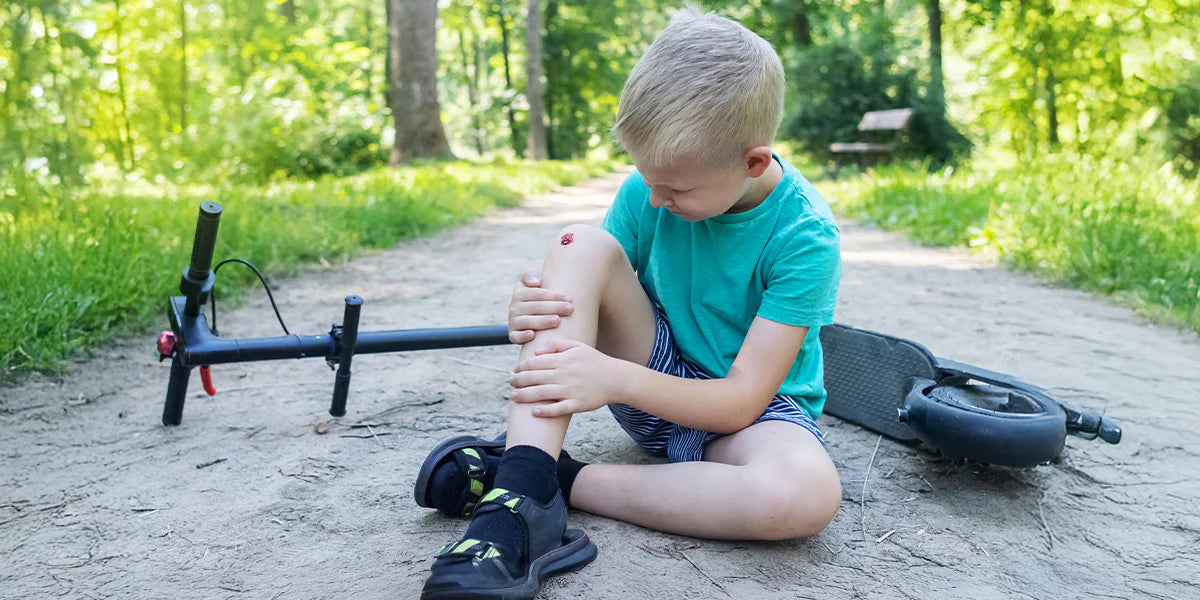
•Falls: Unlike grass, hardwood or tile floors offer no cushion for falls, raising the risk of head, knee, and elbow injuries.
•Entanglement: Toddlers can get fingers or feet caught in pedals, wheels, or axle mechanisms.
•Lightweight plastic tricycles are less stable and more prone to tipping than heavier metal frames.
When Indoor Riding Can Be Acceptable
Indoor riding can be safe and fun at the same time, as long as it's carefully planned. Just keep in mind that:
Prepare the Space: Designate an open area of the house where the furniture does not have edges or is close together, free of carpets or loose cables, a flat and non-slip surface and if you have stairs in your house access to them must be blocked.
Skill Building: Keep sessions short, in this way, toddlers will practice pedaling, learn to drive and turn, and above all, learn to brake properly.
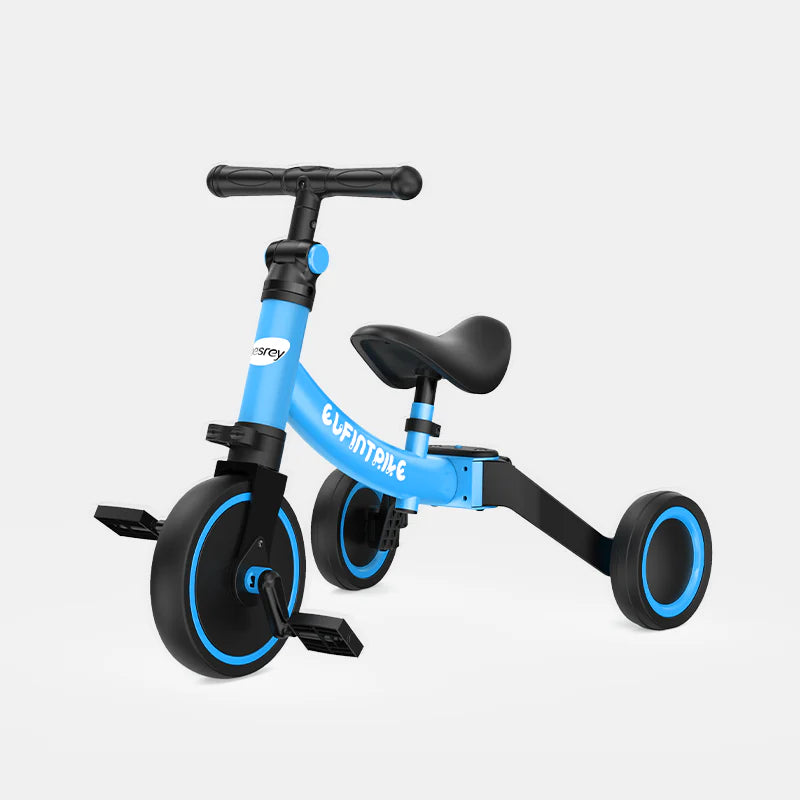
Select the right tricycle: Consider choosing a wide wheelbase to prevent tipping, low center of gravity, smooth, non-marking wheels and lightweight frames toddlers can control easily.
Constant Supervision: Stay within arm's reach at all times; accidents can happen in seconds even indoors.
Why Outdoor Riding Is Safer Long-Term
While indoor riding can be practical at first, outdoor environments are the ideal space if you want to continue using the tricycle long-term. Why? Regular outdoor activity decreases the risk of chronic illnesses like heart disease and stroke later in life. Also, being outdoors reduces exposure to germs in poorly ventilated indoor spaces. Sunlight also provides vital Vitamin D for healthy bone development. Besides, navigating varied terrain improves gross motor skills, balance, and coordination more effectively than flat indoor surfaces, making children more competent riders as they transition to larger bikes.
We must emphasize that outdoor environments teach toddlers to be warned for hazards like cars and uneven pavement, a life-saving skill for future independent riding.
Conclusion
Indoor tricycles can be an alternative to introduce toddlers to riding tricycles, but this should be considered as a short-term measure. Although it may be difficult to accept, homes present hidden hazards—such as small spaces, stairs, or slippery floors—that can make riding a tricycle indoors challenging. With constant and careful supervision in a clean area inside the house, parents can safely introduce a tricycle to improve riding skills.
However, outdoor riding tricycle experiences are safer and more beneficial in the long run. It is important to note that open spaces allow children to develop coordination, self-confidence, and physical strength in ways that the indoor environment cannot promote or replicate.