
Besrey - Feb 26 2026
When a Tricycle Becomes “Too Easy” — Recognizing Plateau Moments

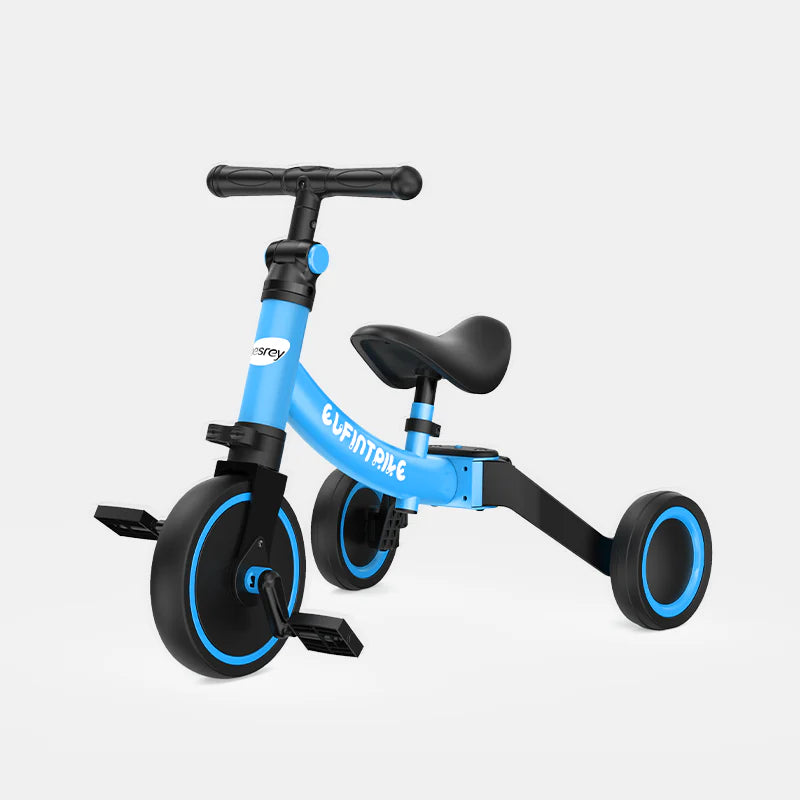
At first, a tricycle feels exciting because everything is new: pedaling, steering, stopping, and moving independently. Then one day, your child rides a few circles and seems bored. They are not refusing movement. They may simply have hit a plateau moment.
What a tricycle plateau actually looks like
A plateau does not always mean your child has “outgrown” the toy physically. More often, it means the tricycle no longer challenges the same balance, coordination, or decision-making systems it used to.
You might notice:
▪faster boredom
▪fewer attempts to try new routes
▪more interest in speed than skill
▪riding only when prompted
▪asking for a scooter or bike instead
This makes developmental sense. Harvard’s child-development resources explain that children build more complex control and flexible thinking on top of earlier simple skills. Once a task becomes too predictable, it offers less practice for those growing systems.
Why “too easy” can happen even if the toy still fits
A tricycle may still fit your child’s body, but not their learning needs.
If they can pedal, steer, and stop on a flat loop without thinking much, the toy may no longer provide enough novelty or challenge. The CDC notes that children ages 3 to 5 should be active throughout the day and benefit from varied movement experiences.Variety matters. Repeating only one familiar route with one familiar toy can lower engagement.
Variety matters. Repeating only one familiar route with one familiar toy can lower engagement.

Signs your child may need a new challenge, not a new toy
Before replacing the tricycle, try upgrading the use of it.
Add route challenges
Create wider turns, cone slaloms, or stop-and-go stations.
Add simple rules
Ride to the chalk line, stop, ring the bell, then go.
Change surfaces
A smooth park path feels very different from a short driveway loop. Controlled variety can make an old toy feel new again.
Add cooperative play
One child rides while another places cones or “traffic signs.” AAP play guidance emphasizes that play supports self-regulation, planning, and social-emotional growth.

When it really is time to move on
A new stage may be appropriate when:
the child pedals with ease but wants more speed or agility
they are curious about gliding, balancing, or tighter turns
they spend more time watching older kids ride than enjoying their own trike
the frame or fit is beginning to limit movement
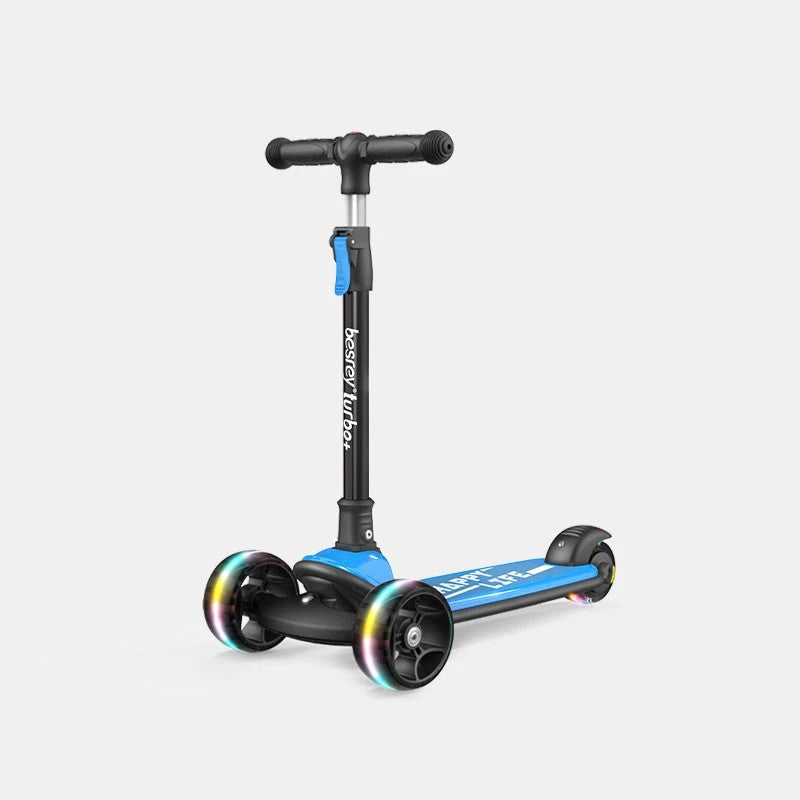
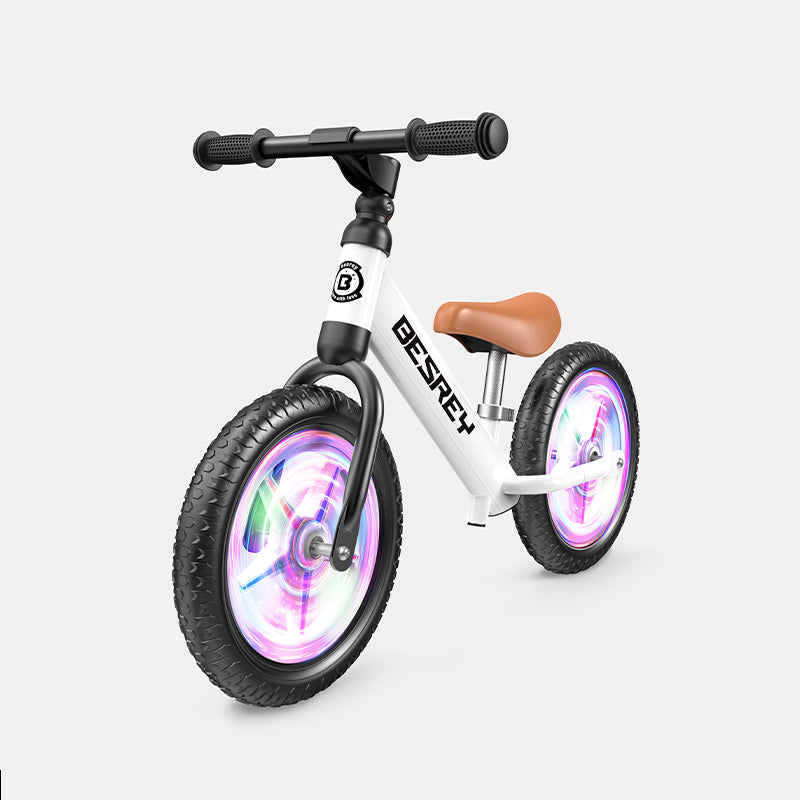
That does not always mean a standard pedal bike is next. Sometimes the right transition is a balance bike or a 3-wheel scooter, depending on confidence and space.
Conclusion
A tricycle becomes “too easy” when it stops teaching something new. That is not failure—it is progress. Before you buy the next ride, try changing the challenge. And if your child still looks ready for more, the plateau may be your clearest sign that it is time to level up.