
Besrey - Feb 26 2026
Why Some Kids Refuse to Ride a Scooter

Scooters are generally one of the best and most exciting gifts we can give our children, whether toddlers or young children, as they bring fun, balance, and independence, making them a great option if we want our children to play outdoors. However, not all children like the idea of riding a scooter. Some toddlers show hesitation, resistance, or excessive fear. Understanding these situations is essential for parents who want to support their children's scooter experience.
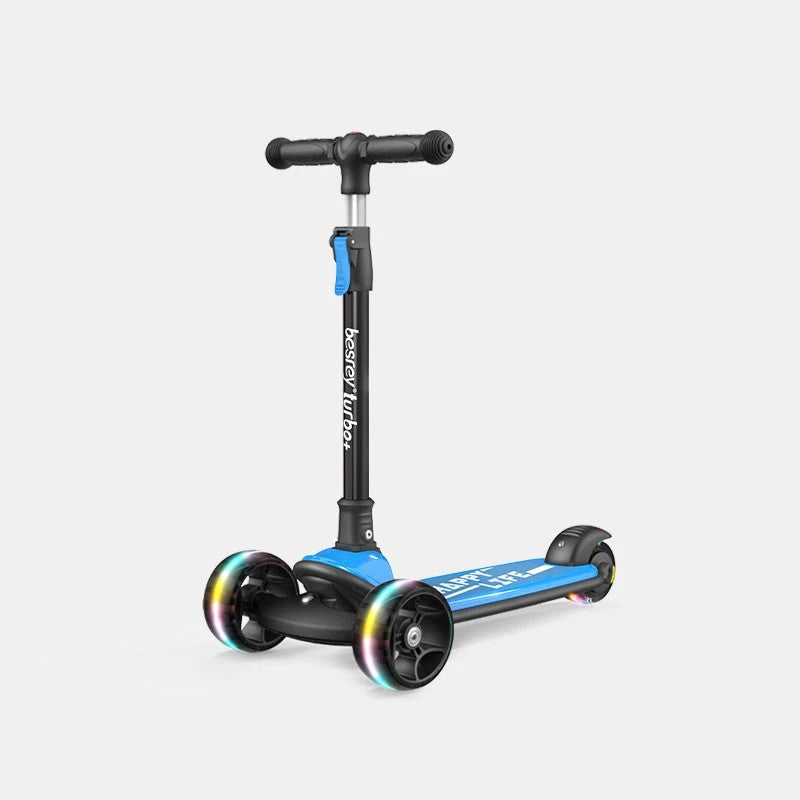
In this guide, we'll explore common reasons why our children refuse to use a scooter, how scooter design can influence this, physical and emotional factors involved in playing, and practical tips for rebuilding confidence. For families considering a safe and adaptable option, the Besrey Folding Toddler Kick Scooter offers features designed to ease children into riding, especially with its 3 wheel scooter stability.
Common Reasons Kids Refuse Scooters
Children may resist using a scooter for many reasons; much depends on age, personality, and past experiences.
▪Physical & Developmental Barriers: Some kids simply aren’t ready to coordinate balance, steering, and pushing at the same time. If they feel wobbly, they may refuse out of a natural instinct for self-preservation.
▪Fear & Safety Concerns: Even a minor "tumble" can create a lasting fear of the scooter and if they’ve had a tumble before, they may associate scooters with danger.
▪Overwhelmed Feelings: If they feel forced to perform a skill before they are ready, they may shut down.
▪Comparison to Peers: If friends are more advanced, a child might refuse to ride.
▪Preference: They might simply find other activities, like biking or running or family activities or playing with their toys.

How Scooter Setup Affects Willingness
The design and configurations of a scooter directly influence how comfortable a toddler feels riding it. What factors influence this?
▪Three Wheels vs. Two: A 3 wheel scooter provides more stability than a two-wheel version, allowing toddlers to focus on moving without the constant fear of falling sideways.
▪Handlebar Height: Handlebars should typically be set between the child's waist and belly button. Adjustable handlebars, like those on the Besrey Folding Toddler Kick Scooter, allow for a better fit.
▪Deck Design: A wider deck allows them to comfortably place both feet when gliding, increasing their sense of security.
▪Wheel Material: Plastic wheels are often loud and vibrate heavily, which can be sensory-overwhelming and discouraging for a toddler. Soft polyurethane (PU) wheels are recommended.
▪Maneuverability: A lightweight frame (usually high-quality plastic or aluminum) is vital. If a scooter is too heavy, a toddler will struggle to turn it or pick it up after a fall, leading to frustration and eventual refusal.
As parents, we must ensure that these decisive factors correspond to the size and age of our children so that they can comfortably use the scooter.
Emotional vs Physical Resistance
Reluctance to use a scooter can be due to both emotional and physical factors:
Physical Resistance
▪Cannot stand on one foot for 3–5 seconds or wobbles significantly when walking.
▪Slumped posture or leaning heavily on the handlebars rather than standing upright.
▪Wants to stop after only 1–2 minutes, which may indicate the effort of pushing is too high for their current leg strength.
▪Steering, balancing, and moving simultaneously can be overwhelming.
Emotional Resistance
▪Hiding when the scooter is brought out or "freezing" when prompted to ride.
▪Refusing to ride only when other children are watching or present, fearing they won't look "good".
▪Reacting poorly to the sound of wheels on pavement or the feel of the helmet.
▪Kids who prefer staying close to mom or dad may resist independent play.
Focusing on which of these weaknesses, whether physical or emotional, will help us as parents to redirect our efforts to overcome these limitations in our children.

How Parents Can Rebuild Confidence
Patience and encouragement are the pillars that we as parents must provide to our children when it comes to rebuilding the joy of using a scooter.
What can we do?
▪Treat the scooter like a toy truck rather than a vehicle.
▪Pushing the scooter with their hands while walking alongside it. This builds familiarity with how the wheels move and steer without the fear of falling.
▪Move the practice to a low-pile carpet or short grass.
▪Practicing on a rubberized playground surface can make the experience quieter and physically "softer."
▪Praise small attempts, even if the child only stands on the scooter.
▪Limit "practice" to 5 minutes. Ending the session while they are still happy leaves them with a positive memory for next time.
▪Take the scooter to a park where other kids are riding. Often, social modeling will eventually spark a natural desire to imitate their peers.
▪A stable 3 wheel scooter like the Besrey Folding Toddler Kick Scooter reduces fear and builds trust.
Conclusion
Children’s reluctance to ride a scooter is more common than many parents realize. Whether it stems from fear, lack of preparation, or physical challenges, this resistance is best met with patience, encouragement, and the right support. Choosing a scooter designed specifically for beginners—such as the Besrey Folding Toddler Kick Scooter—provides added stability and comfort, making the learning process easier and the transition more enjoyable.
The ultimate goal isn’t simply to get kids riding—it’s to nurture confidence, resilience, and joy in exploring new activities. With patience and the right approach, even the most hesitant toddler can discover the excitement and freedom of scooting.
Article credit: Heidi Cohen (https://heidicohen.com/use-blog-to-sell/)