
Besrey - May 30 2026
How to Choose a Truly Safe Scooter for Your Child?

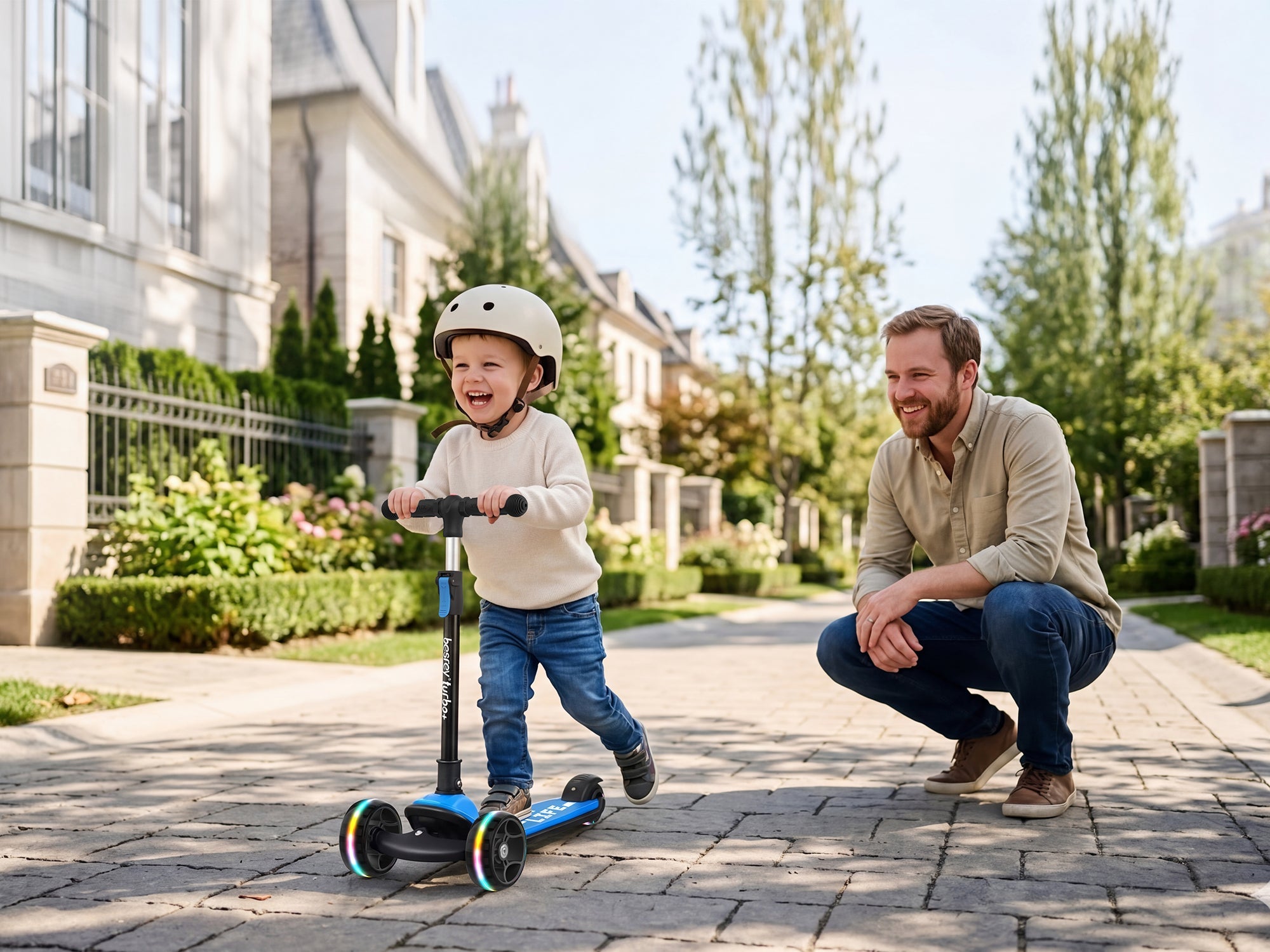
For many children, a scooter is more than just a “short-term toy.” It becomes one of their first companions in exploring the outdoor world independently. From their first shaky attempt standing on the deck to confidently riding through neighborhoods, parks, and pathways, children gradually build balance, coordination, and confidence through everyday riding experiences.
For parents, what truly matters is often more than simply whether the child “likes it.” More importantly, parents begin to care about:
·Whether the ride feels stable
·Whether children can control it easily
·Whether long rides become tiring
·Whether turning feels difficult or unstable
·Whether the scooter becomes loose after long-term use
Because when scooters are brand new, the differences are often not immediately obvious. The real differences usually appear after children begin using them every day in real riding situations.
In this article, we’ll help you understand what really matters when choosing a scooter designed for long-term everyday use — helping more families find a scooter that is safe, reliable, and worth growing with.
Can Children Control It Easily?
Many children between 3–5 years old do not know how to properly control direction when first learning to ride a scooter. Especially while turning, once body movement becomes uncoordinated, children may quickly become nervous, lose balance, and feel less confident while riding.
Choosing a scooter with Lean-to-Steer Technology allows children to control direction by leaning their body naturally instead of relying on aggressive handlebar turning. This riding method feels more intuitive for younger riders and helps children gradually improve balance and coordination. For beginners, it also helps build riding confidence and steering control more naturally.

Is the Riding Experience Stable?
Many children feel nervous when standing on a scooter for the first time because the scooter may wobble easily. Younger children are still developing balance skills, and once the scooter begins to feel unstable during turning or riding, they may quickly lose confidence and stop wanting to ride.
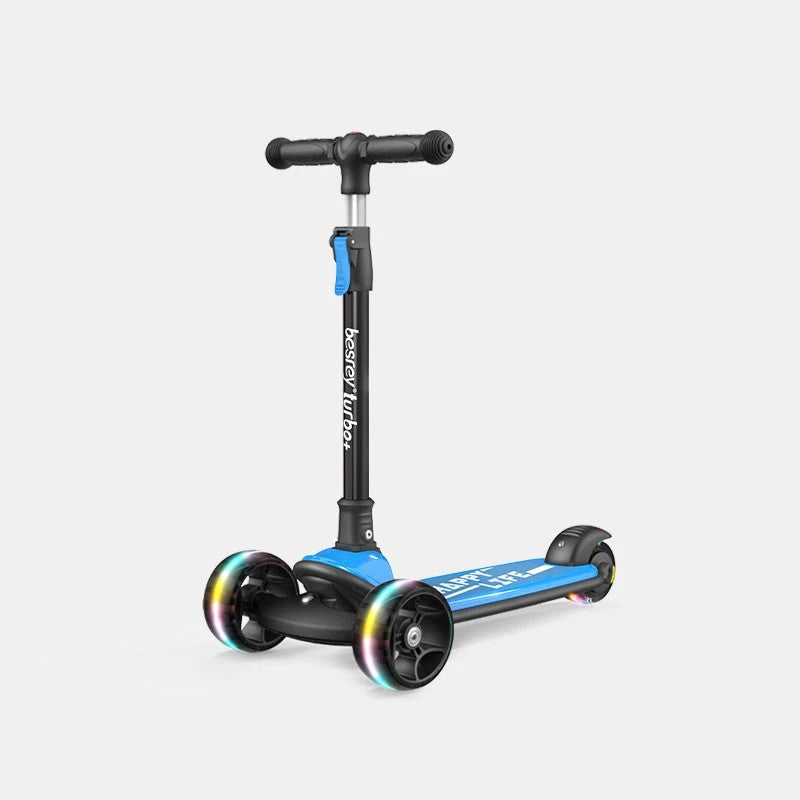
Choosing a scooter with a triangular three-wheel structure and wider base design helps create a more stable riding experience. With a maximum weight capacity of 110 lbs, the overall structure provides stronger support and improved balance. Even younger children around 3 years old can ride more easily, while the larger deck also gives children more standing space. For beginner riders, a more stable riding experience helps build a stronger sense of safety and confidence.

Is the Ride Smooth?
Many children are very excited when they first start riding a scooter. However, after using some scooters for a period of time, children may gradually lose interest. Often, this is not because they dislike riding — but because the ride becomes tiring.
For example:
·Riding feels rough
·Rolling resistance becomes obvious
·Slightly uneven roads feel bumpy and uncomfortable
These issues may not feel obvious during short-term use, but over time, children may become less interested in riding.
Choosing a scooter with ABEC-7 bearings helps absorb vibration and impact from the road more effectively. It adapts well to different riding surfaces and helps create a smoother, more stable riding experience while improving overall safety and comfort.

Are the Brakes Responsive?
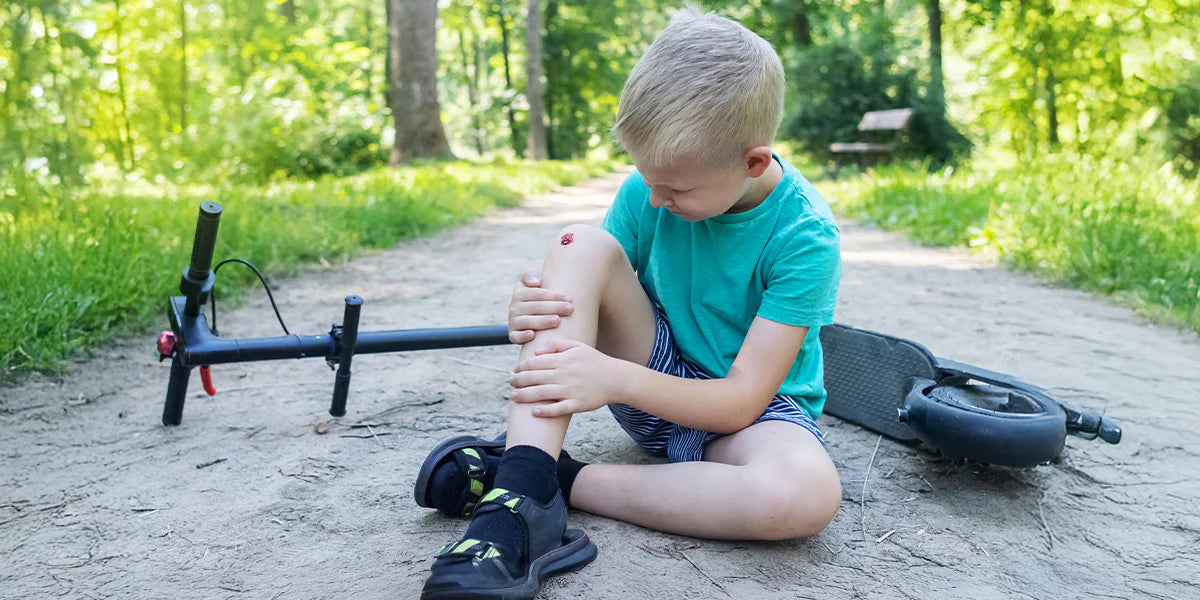
If braking response is not quick enough, children may lose control when they panic.
Choosing a scooter with a responsive rear foot brake system allows children to slow down and stop more naturally during everyday riding. For younger riders, easier braking control also helps improve riding safety and confidence.
Is the Scooter Durable for Long-Term Use?
Most scooters may not look very different when they are brand new. The real difference usually appears after long-term everyday riding — especially after frequent riding, outdoor use, repeated turning, and repeated folding.
Over time, some scooters may gradually develop:
·Wobbling
·Loosening
·Unusual noises
·Reduced stability
Choosing a scooter certified to multiple safety standards such as CPC, ASTM F963, CPSIA, and EN71 helps improve long-term reliability and safety performance. Meanwhile, an aluminum frame structure also helps improve durability and long-term riding stability.
For many families, a truly worthwhile children’s scooter is not simply one that “looks good when new,” but one that still feels stable, safe, and reliable after long-term use.

Conclusion:
A truly good children’s scooter is not simply one that “looks impressive at first glance.” For children, a scooter designed for long-term everyday use should offer more than just the ability to ride. More importantly, it should continue delivering a stable, safe, and comfortable riding experience over time.
Besrey hopes to provide children with safer, more reliable, and more confidence-building riding experiences through product designs that better reflect real children’s everyday riding scenarios.
FAQ
Q1: How can parents choose a safer children’s scooter?
Beyond appearance and extra features, parents should pay closer attention to:
·Riding stability
·Ease of steering control
·Smooth riding performance
·Brake responsiveness
·Long-term structural reliability
For younger children, a more stable and easier-to-control riding experience is generally better suited for long-term everyday use.
Q2: What safety features do Besrey children’s scooters include?
·Triangular three-wheel structure for improved riding stability
·Wider anti-slip deck for more secure standing space
·Lean-to-Steer Technology for easier directional control
·Responsive rear brake system for easier stopping
·Soft anti-slip grips for more comfortable handling
·ABEC-7 bearings for smoother and more stable riding
·One-step quick folding design for easier storage and carrying
·ASTM F963-17 and EN71 safety certification
·Thousands of long-term durability tests for improved reliability
Q3: Which safety certifications are important for children’s scooters?
Common children’s scooter safety standards include:
·ASTM F963 (U.S. children’s product safety standard)
·EN71 (European toy safety standard)
These standards usually involve testing related to:
·Structural safety
·Small parts safety
·Material safety
·Long-term use requirements
More parents are beginning to pay closer attention to whether children’s scooters comply with recognized international safety standards.