
Besrey - Mar 29 2026
How to Choose the Right Play Tent for Your Child’s Space and Play Style

If you’re looking to create a pleasant space that sparks imagination and offers your child a special place to play in the afternoons, you can achieve this by adding a play tent to your home. Whether you’re considering a teepee vs playhouse, exploring an indoor play tent, or looking for a complete play tent buying guide, the decision will depend on your child's personality, the available space, and the features that encourage their imagination. Play tents can be more than just a toy: they create an environment that fosters independence, imagination, and social play.
This guide will help you select the perfect tent for your child’s needs. By the end, you’ll feel confident in finding a tent that transforms ordinary afternoons into magical adventures.
Teepee vs Playhouse Tent
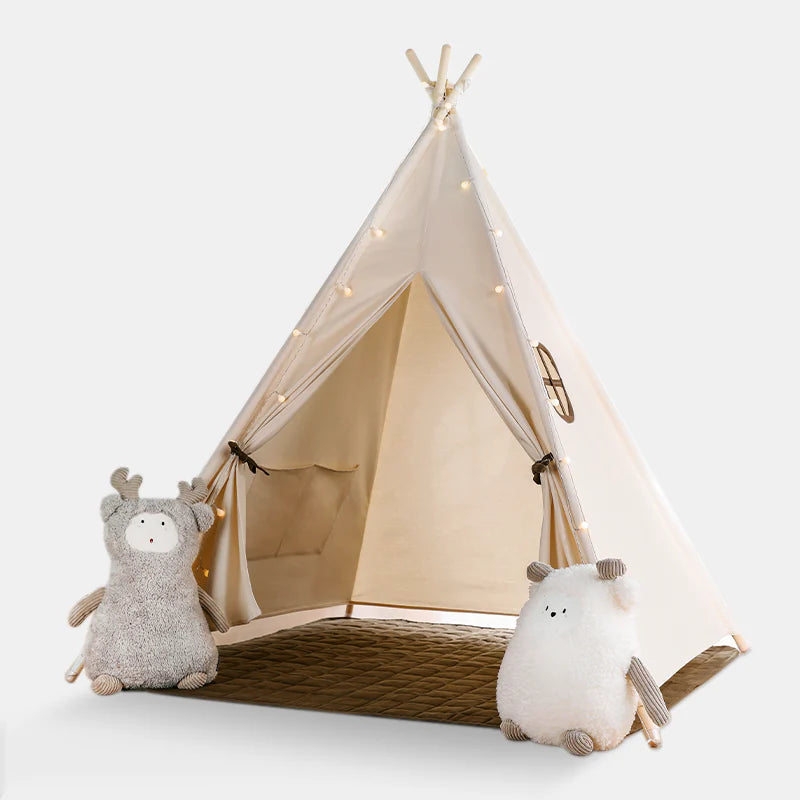
Teepees are ideal for creating cozy, stylish reading nooks or “dens” in a permanent corner of the room. They’re quick to set up, easy to move without dismantling, and often add a rustic, decorative touch to bedroom décor. However, their narrower tops limit standing space and they typically accommodate fewer children, making them best suited for quiet, individual play or relaxation.
Playhouse tents, on the other hand, are designed for interactive, imaginative play with themed designs like castles or ships. They tend to be more spacious, offer better ventilation, and many feature pop-up designs for portability and easy storage. Key considerations include space (teepees fit small corners), portability (playhouses are better for moving around), and age suitability (both work well for ages 3+, with stability checks for toddlers).
Matching Tent to Your Home and Child
A tent should be perfectly aligned with and complement your child's play style and your home's environment. Here are some considerations:
Best For
Teepees: Quiet, cozy reading nooks or calm-down corners.
Playhouse
Tents: Interactive, imaginative play with friends.
Pros
Teepees: Stylish, easy to move, blend well with décor.
Playhouses: Spacious, ventilated, often pop-up for portability.
Cons
Teepees: Limited standing space, fewer children fit inside.
Playhouses: Can be more complex to assemble, sometimes less durable.
Key Considerations
Home Style: Neutral cotton teepees suit minimalist or Scandinavian homes; rustic designs with lace or pom-poms fit bohemian décor.
Space: Pop-up tents are ideal for small apartments; teepees work well in dedicated corners.
Practicality: Indoor/outdoor hybrids add versatility; non-slip mats protect hardwood floors; LED fairy lights create a magical ambiance.
Features That Encourage Creativity
Teepees spark open-ended imagination, while playhouse tents bring role-play to life.
How Teepees Spark Creativity
Teepees act as a “blank canvas” for imagination since they lack built-in props. Toddlers transform them into caves, spaceships, or castles through storytelling. Accessories like fairy lights or bunting enhance sensory play, while personalizing with pillows and toys builds confidence and decision-making skills.
How Playhouse Tents Spark Creativity
Playhouse tents encourage role-play and social interaction with themed designs like cafés or cottages. Features such as roll-up doors and mesh windows support interactive games, while their roomy interiors promote social negotiation as children share space, set rules, and assign roles—key steps in creative social development.
Buying Checklist: Durability & Safety
To keep your child’s play space safe and durable, use this quick checklist when comparing teepees and playhouse tents:
Safety Checklist
Stability: Teepees need a stabilizer kit; playhouses should have wide bases.
Materials: Choose cotton canvas or BPA-free polyester; avoid cheap plastics.
Ventilation: At least two mesh windows or large openings.
No
Small Parts: Ensure ties, buttons, and lights are securely attached.
Durability Checklist
Poles: Solid pine/birch are best; thick PVC is acceptable.
Fabric: Heavy-duty canvas or high-denier polyester.
Stitching: Reinforced sleeves and corners prevent wear.
Washability: Machine-washable canvas preferred; some playhouses are spot-clean only.
Conclusion
Selecting the right play tent means finding the balance between your child’s play style, your home’s available space, and essential safety needs. A tent isn’t just a toy—it becomes a dedicated environment where your toddler can explore, imagine, and grow.
The teepee vs playhouse choice depends on whether you prefer flexibility and whimsy or structure and realism. An indoor play tent provides year-round imaginative fun, while outdoor models extend play into the backyard. By following a thoughtful play tent buying guide, parents can ensure a safe, durable, and inspiring space for children to grow, explore, and dream.
Article credit:
https://www.besrey.com/blogs/top-picks/teepee-tent-vs-playhouse-which-play-tent-style-is-right-for-you
https://www.ubuy.co.in/product/808X5SLS6-play-tent-with-star-light-kids-tent-playhouse-indoor-tent-for-toddler-toys-for-boys-girls-play-house-tents-children-play-tent#:~:text=Most%20models%20come%20with%20a%20pop%2Dup%20design,on%20a%20playdate%2C%20or%20on%20family%20vacations.
https://happymattystore.com/blogs/news/how-to-choose-the-best-play-tent-for-your-kids-a-parent-s-guide#:~:text=Understanding%20Your%20Child's%20Play%20Style,their%20favorite%20books%20and%20toys.
https://happymattystore.com/blogs/news/how-play-tents-spark-creativity-and-independent-play-in-kids#:~:text=The%20tent%20becomes%20the%20constant,friendships%2C%20and%20even%20future%20careers.
https://www.tinylandus.com/blogs/collections/are-the-tents-for-children-reliable-and-harmless#:~:text=With%20careful%20choice%2C%20kids'%20teepees,secure%20and%20fun%20play%20area.