
Besrey - Nov 29 2025
How to Choose the Perfect Balance Bike for Christmas

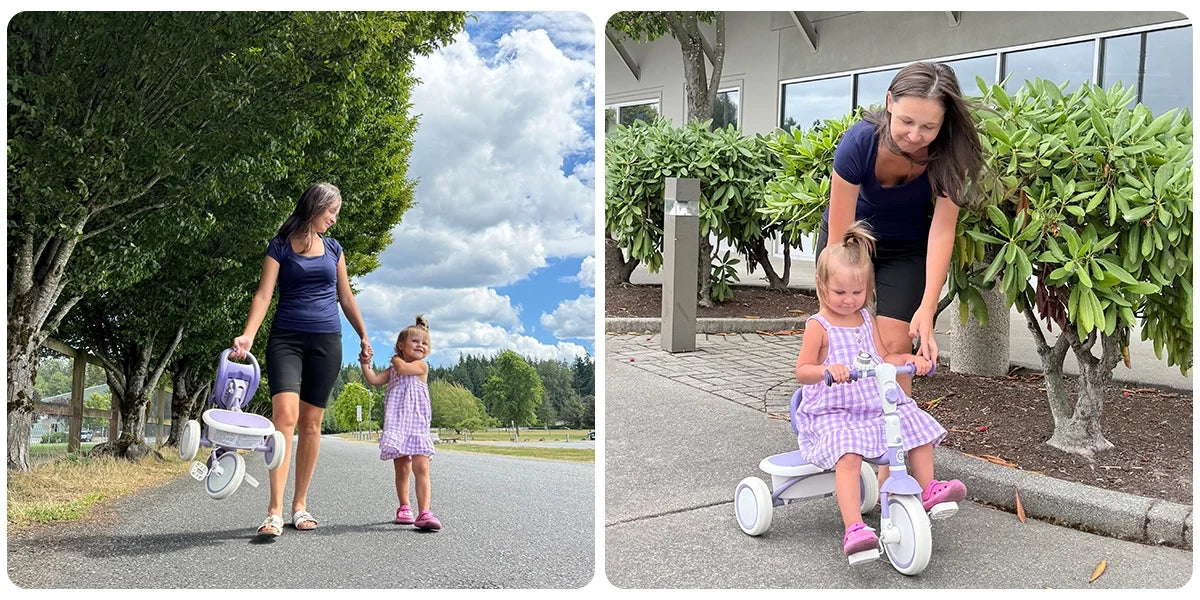
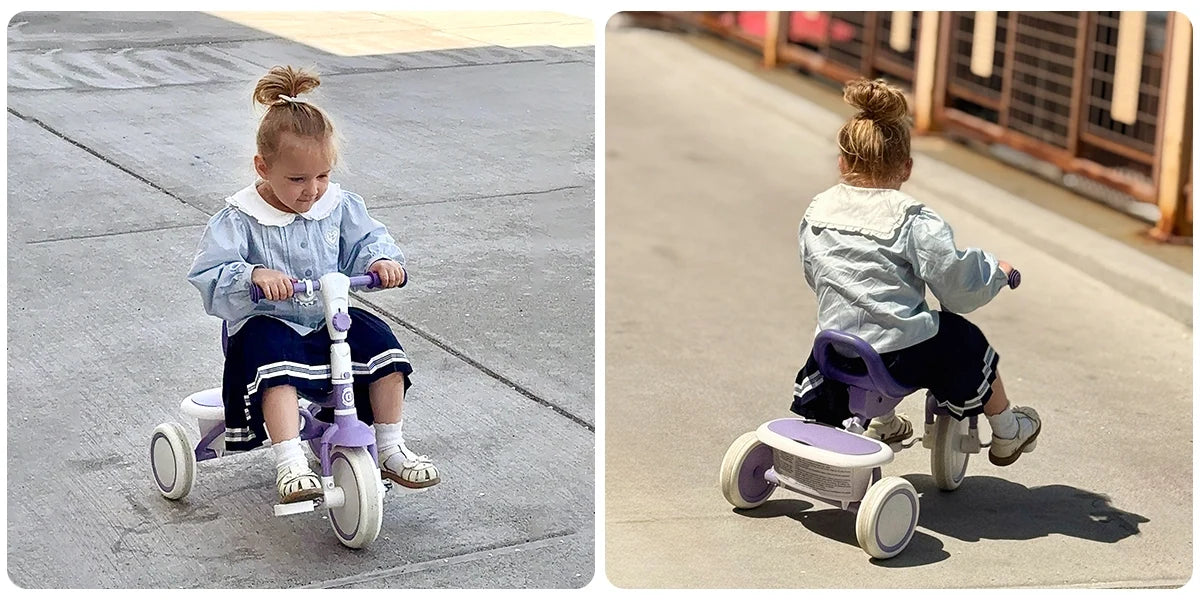
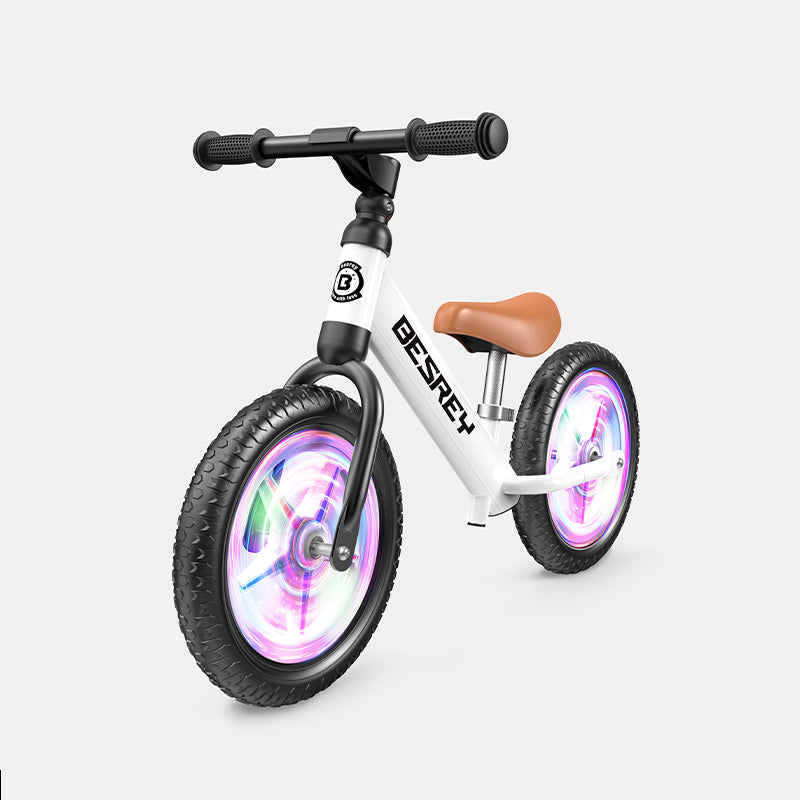
Abalance bike can be a thoughtful Christmas gift when it fits the child who will ride it. Parents often choose one because it helps kids move on their own with a little more confidence. Before you pick one for the holiday, it helps to know how a balance bike should fit, how it should feel in a child’s hands, and what actually matters once they start riding.
What to Look for in a Balance Bike
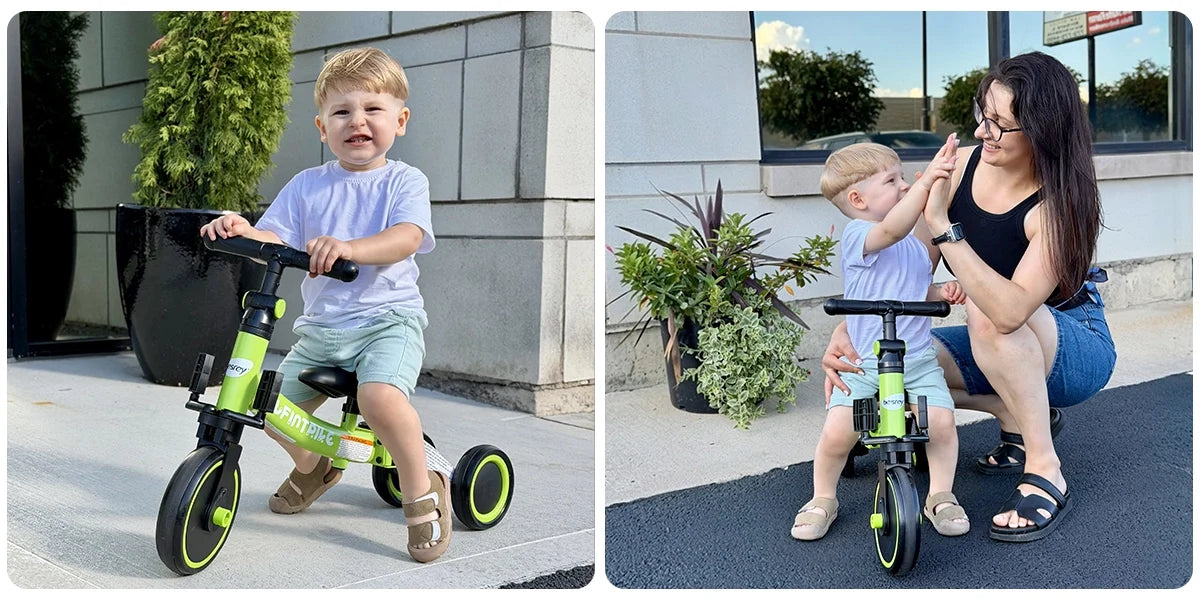
The most important part of choosing a balance bike is the fit. Children ride with their feet on the ground, so the seat has to match their inseam. When a child sits down, both feet should rest flat with enough bend in the knees to push away from the ground. If the seat sits too high, they hesitate. If it sits too low, they lose momentum. A few minutes with a tape measure can save you the frustration of a bike they never touch again.
Kids ride better when the bike feels easy to move. You can test this in a second. Pick it up yourself, then picture your child doing the same thing. If it feels heavy in your hands, they will fight it every time they try to turn or back up. Most kids give up on a bike they cannot steer, even if the rest of it looks great.
Think about where the bike will live. A model that spends time on the porch or in the yard needs to handle some bumps and weather. Aluminum usually does fine with that, and it stays light enough for a young rider. Wood can work too, but only if you keep it indoors between rides. Steel holds up to almost anything, although many small kids complain it feels too heavy when they try to guide it around corners.
There is no perfect choice on paper. The best balance bike is the one your child can lift, roll forward, and turn without effort. You can see their reaction right away. If they move it easily, you have the right one. If they hesitate, keep looking.

How a Balance Bike Helps Young Riders
A balance bike gives a child a way to move at a pace they control. They learn how to shift weight, steer around small obstacles, and stop with their own feet. These small skills add up fast and tend to make the transition to a pedal bike easier later on.
Parents see the benefits early. A child who starts slow usually picks up speed within a week or two. They glide for a few feet, then a few more. They test small slopes. The work feels like play to them, but it builds coordination they carry into other activities.
Choosing Features That Make Sense
Many balance bikes come with features that look appealing in a store but serve very little purpose for beginners. A young child does not need a hand brake while they are still learning how to stride and glide. Their feet already give them better control. The same goes for footrests. Some children use them once they become strong riders, but most ignore them early on.
Tire type matters more. Foam tires never need air and hold up well indoors or on smooth sidewalks. Air filled tires offer better traction on grass or gravel. Think about where your child will ride most and choose what fits their usual play space.

Making Christmas Morning Special
If you plan to give a balance bike for Christmas, set it up before you wrap it. Kids rarely enjoy waiting while an adult looks for tools on Christmas morning. When the bike is already assembled, they can try it as soon as they see it. Most children test a few steps right away, even if they are still in pajamas. If you’re also giving a helmet, leave it near the bike so they notice it without a reminder. It helps to start that habit early, long before they pick up speed or head outside.