
Besrey- May 26 2026
2-Wheel or 3-Wheel Scooter for Beginners? How Parents Can Decide by Age

Mhoosing a child’s first scooter sounds simple—until parents start comparing options. One of the most common questions is whether a beginner should start with a 2-wheel or 3-wheel scooter. The answer depends on much more than age alone. Balance, coordination, confidence, and the riding environment all play important roles.
For most toddlers and preschoolers, a 3-wheeled scooter offers greater stability and a gentler learning curve. However, as children grow and develop stronger balance skills, many eventually transition to a two-wheel model.
So how do parents know when the time is right?
Understanding how different scooter types support early development can help families choose the best first scooter for their child’s current stage—not just the one they hope their child will “grow into.”
According to the American Academy of Pediatrics, ride-on toys should match a child’s developmental abilities to reduce injury risk and support safe motor skill development. A scooter that feels too difficult too early can quickly damage confidence instead of building it.
The right scooter should help children feel stable, capable, and excited to practice.
1. What’s the Difference Between a 2-Wheel and 3-Wheel Scooter?
At first glance, the difference seems obvious: one has two wheels, the other has three.But the riding experience is completely different.
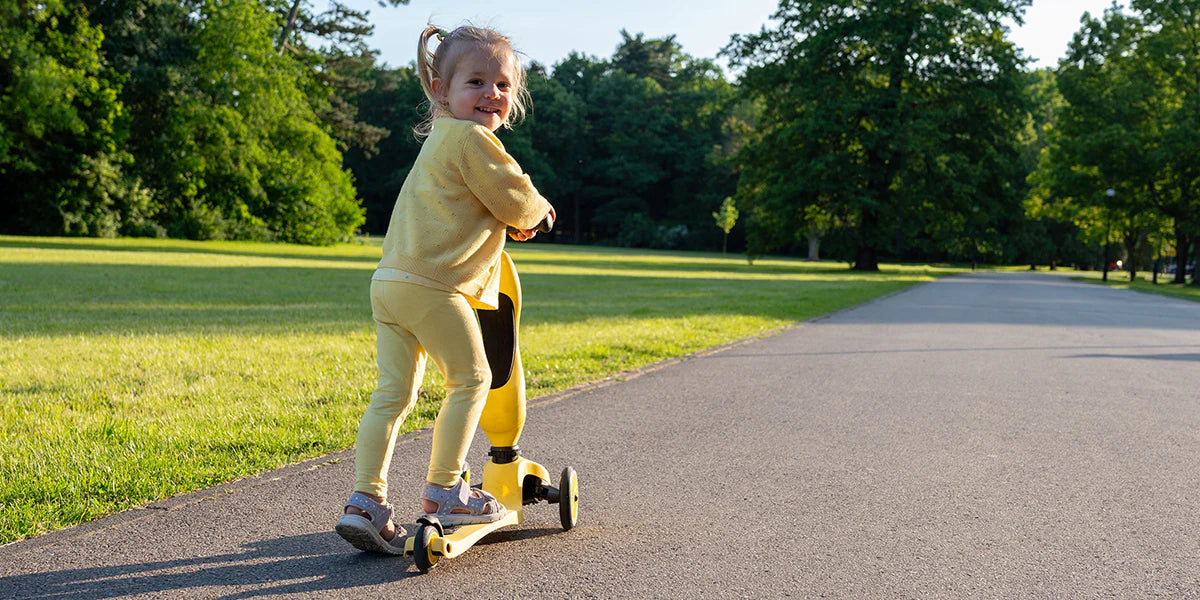
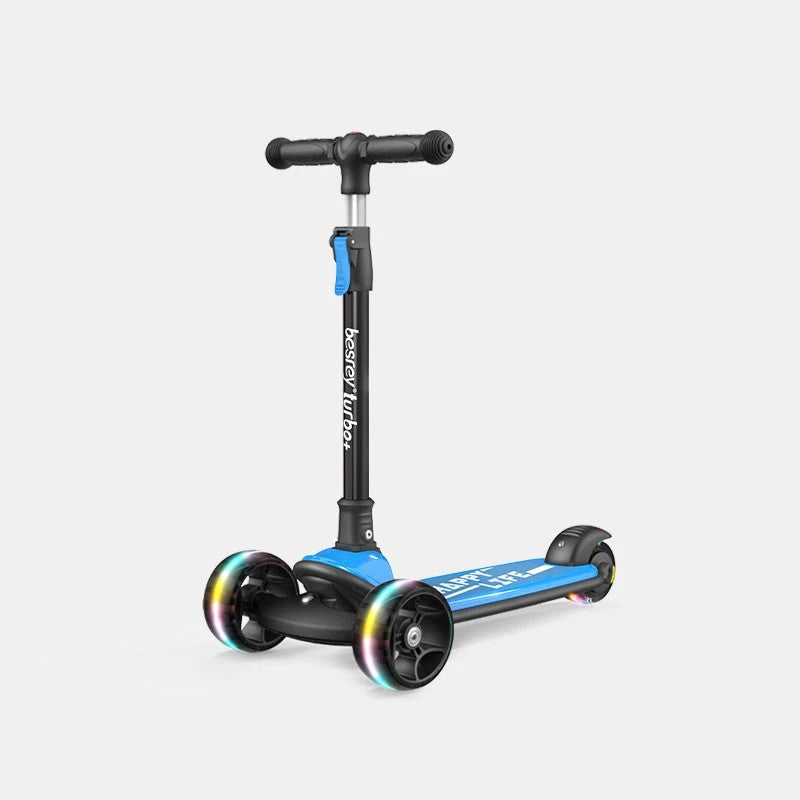
A 3-wheel scooter for toddler beginners usually features:
Two front wheels and one rear wheel
Wider balance support
Lean-to-steer turning
Slower, more stable movement
This design reduces the amount of balance control required from the child.
Many three-wheeled scooters use a lean-to-steer mechanism, meaning children turn by shifting their body weight rather than by sharply rotating the handlebars. Developmentally, this often feels more intuitive for younger riders.
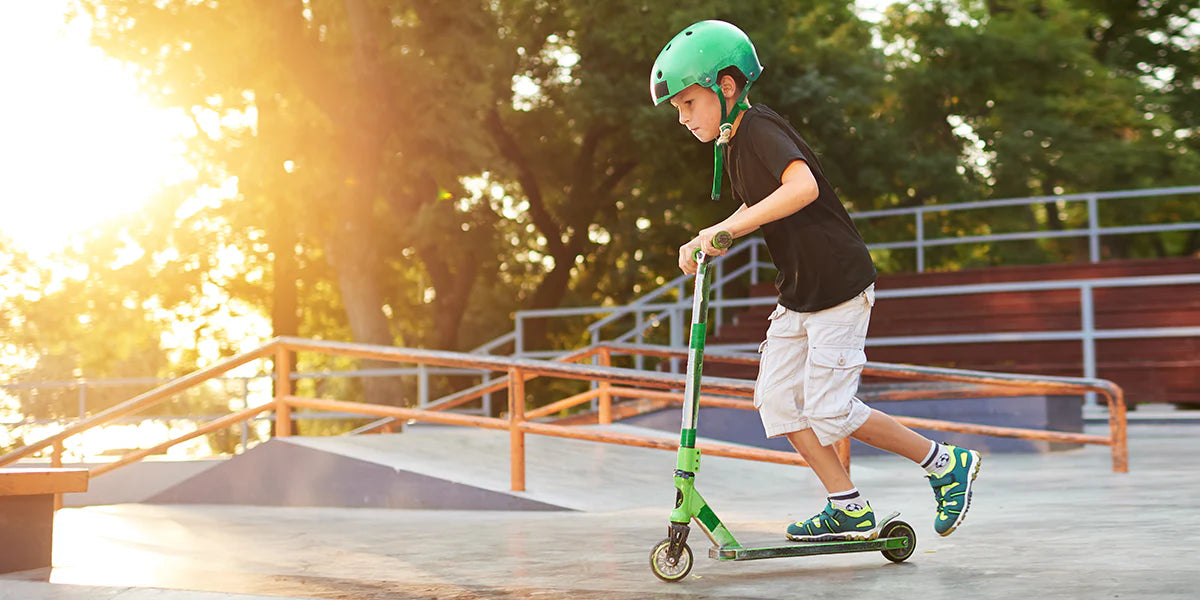
Two-wheel scooters require more advanced balance and coordination because the rider must stabilize side-to-side movement independently.
These scooters typically:
Turn more sharply
Move faster
Require stronger core balance
Demand greater steering precision
For experienced riders, this increased responsiveness feels fun and efficient.For beginners, however, it can feel unstable and frustrating.

2. Why 3-Wheel Scooters Usually Work Better for Younger Beginners
For most young children, stability matters far more than speed.
A three-wheel scooter creates a wider base of support, helping toddlers focus on foundational skills like:
Standing balance
Steering awareness
Foot coordination
Movement confidence
Research in pediatric motor development shows that children develop dynamic balance gradually during the toddler and preschool years.² Activities that provide partial stability support often help children build coordination more successfully than activities that overwhelm them with too many challenges at once.
That is why three-wheel scooters are often considered the **best first scooter** for children between ages two and four.
Benefits of a 3-Wheel Scooter for Toddlers
* Easier to balance
* More forgiving during turns
* Lower fall risk
* Encourages confidence
* Better for beginners on flat surfaces
The goal of a first scooter should not be advanced riding performance.It should be positive movement experiences.When children feel successful early on, they are more likely to continue practicing and developing confidence.
3. When Is a Child Ready for a 2-Wheel Scooter?
Parents often ask: When can a child use a 2-wheel scooter?There is no exact age, but many children begin transitioning successfully between ages five and seven.More important than age alone are developmental signs of readiness.
Signs a Child May Be Ready for a 2-Wheel Scooter:
Balancing confidently on one foot
Riding a three-wheel scooter smoothly
Turning without difficulty
Gliding comfortably for longer distances
Demonstrating strong coordination
Showing interest in “big kid” scooters
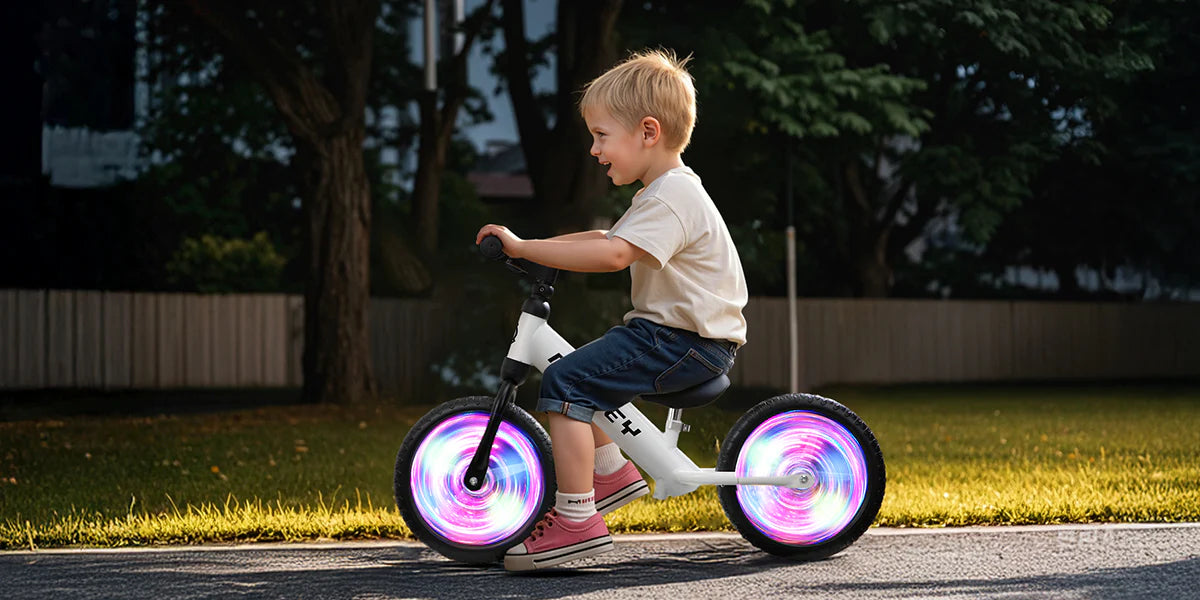
Children who already ride balance bikes or bicycles confidently may adapt to two-wheel scooters more quickly because they already understand dynamic balance.Confidence plays a major role in early motor learning. A cautious child may benefit from staying on a three-wheel scooter longer, even if they technically possess the necessary physical skills.

4. How Age, Balance, and Confidence Affect the Decision
Choosing a scooter for beginners by age works best when age is considered alongside physical and emotional development.
Ages 2–3
At this stage, most children are still developing basic balance and body awareness.A three-wheel scooter is usually the safest and most supportive choice. Focus should remain on:
Stability
Slow riding
Safe steering
Confidence-building
Ages 4–5
Some children may begin showing readiness for more advanced balance challenges.However, many still benefit from three-wheel scooters—especially if they are cautious or newer to riding.
Ages 5–7+
Children with stronger coordination, previous ride-on experience, and higher confidence may begin transitioning to two-wheel scooters successfully.Still, there is no need to rush.
Motor skill development varies widely between children.
The Centers for Disease Control and Prevention (CDC) notes that balance and coordination milestones continue evolving significantly throughout the preschool and early school-age years.
5. Which Scooter Type Makes More Sense for Different Stages?
The best scooter choice often changes as children grow.
Early Beginners: 3-Wheel Scooters
Best for:
Ages 2–4
New riders
Cautious personalities
Indoor or flat outdoor riding
A 3-wheel scooter for toddler beginners creates a stable learning environment that supports early coordination.
Intermediate Riders: Advanced 3-Wheel Scooters
Some older preschoolers still prefer three-wheel scooters with:
Larger wheels
Adjustable handlebars
Faster glide capability
These can bridge the gap before transitioning fully to two wheels.
Experienced Riders: 2-Wheel Scooters
Best for:
Older children
Strong balance skills
Experienced riders
Faster outdoor riding
A two-wheel scooter becomes appropriate once the child consistently demonstrates balance, confidence, and steering control.
Conclusion:
Choosing between a two-wheel and three-wheel scooter is not about which option is “better.”It is about choosing the right tool for your child’s current developmental stage. For most young beginners, a 3-wheel scooter for toddler riders provides the safest and most confidence-building introduction to riding.
As balance, coordination, and emotional confidence improve, many children naturally transition to two-wheel scooters over time. The best first scooter is the one that helps your child feel secure enough to keep trying, practicing, and enjoying movement.
Because successful riding begins with confidence—not speed.
Article credit:
1.American Academy of Pediatrics. Wheeled Sports Safety. https://www.healthychildren.org
2.Adolph KE, Hoch JE. Motor development: Embodied, embedded, enculturated, and enabling. Annual Review of Psychology. 2019.
3.Robinson LE et al. Motor competence and positive developmental trajectories. Sports Medicine. 2015.
4.Centers for Disease Control and Prevention. Developmental Milestones. https://www.cdc.gov
5.U.S. Consumer Product Safety Commission. Scooter Safety Tips. https://www.cpsc.gov