


Besrey - Mar 26 2026
How to Keep Your Toddler’s Tricycle Clean, Smooth, and Ready for Everyday Rides

When your toddler’s tricycle is rolling through the yard, across grass, dirt paths, or even the sandbox every day, dust, moisture, and general wear start to build up quietly. And did you know?
According to the U.S. Consumer Product Safety Commission (CPSC), poor maintenance of ride-on toys significantly increases the risk of falls, pinching injuries, and mechanical failures. The World Health Organization (WHO) also emphasizes the importance of proper maintenance of children’s equipment in reducing the risk of outdoor injuries.
In other words, keeping a tricycle clean and smooth isn’t just about appearance — it’s a key part of your child’s riding safety, comfort, and overall outdoor experience. Understanding how to clean a toddler tricycle is not only practical but also important for ensuring safe play.
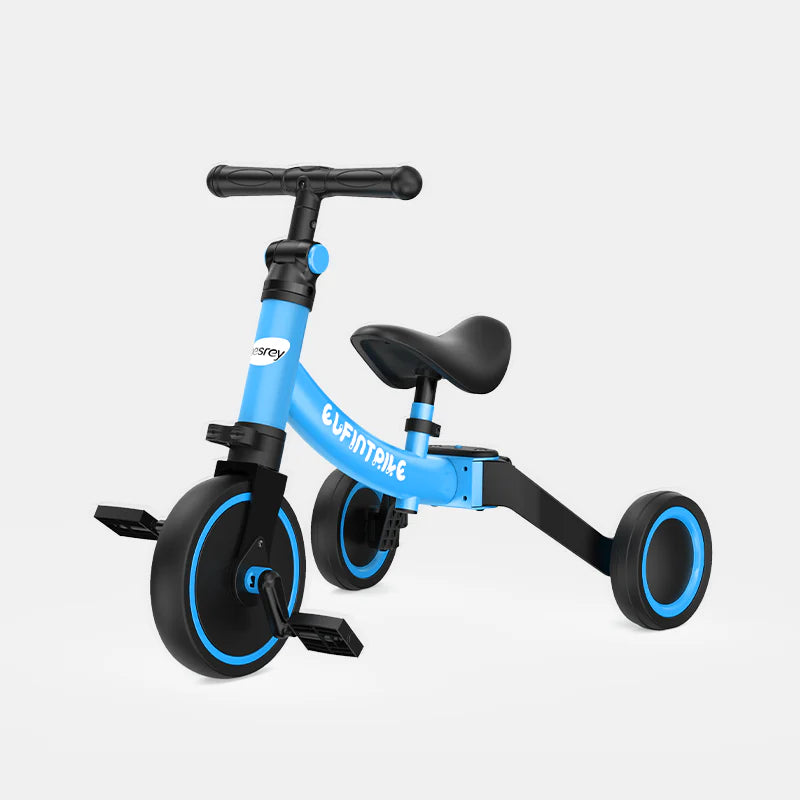
This guide shows you the simplest, fastest, and most effective ways to clean and maintain your toddler’s trike, whether you have a classic model or a foldable tricycle.
Why Regular Tricycle Cleaning & Maintenance Matters
Research shows that toddlers are extremely sensitive to the stability and smoothness of their riding toys. Increased friction or loose parts can quickly lead to issues such as:
More effort required to pedal
Handlebar wobbling or drifting
Loose screws creating safety hazards
Shortened product lifespan and increased noise
CPSC data indicates that tens of thousands of children are injured each year due to structural failures or poorly maintained ride-on toys.
Regular cleaning and inspection drastically reduce these risks and encourage more outdoor playtime.

A 5-Minute Post-Ride Routine
Perfect for busy parents — simple, fast, and highly effective.
1. Wipe down the frame
Use a damp cloth to remove dirt, dust, and food residue.
For foldable tricycles, pay special attention to the hinge area.
2. Check wheel rotation
Give each wheel a spin to ensure nothing is stuck.
Grass, leaves, and small pebbles are the most common culprits.
3. Dry all metal parts
WHO’s child-safety recommendations highlight that prolonged moisture increases the risk of rust and part deterioration.
Focus on screws and wheel axles.
4. Wipe the seat
It prevents sticky buildup, sweat odors, and general discomfort.
Spending just 5 minutes a day can prevent 80% of common tricycle issues.
Weekly Safety & Performance Check
Kids love speed, bumps, and sudden turns — which means small parts loosen easily.
1. Tighten all screws and bolts
Gently shake the trike. If you hear any rattling, a screw may need tightening.
2. Check pedal rotation
Pedals should spin smoothly without resistance.
3. Test handlebar stability
A wobbly handlebar is one of the most common safety risks.
CPSC frequently reminds parents to inspect steering components.
4. Check the locking mechanism (for foldable trikes)
Make sure the latch clicks securely and won’t unlock while riding.
5. Look for cracks or signs of wear
Inspect handle grips, pedals, and wheel edges.
Monthly Deep Cleaning & Professional-Level Maintenance
1. Gentle full wash
Use warm water and mild soap.
Avoid soaking wheels that contain bearings.
2. Lubricate all moving parts
Use a child-safe lubricant, especially on:
Wheel axles
Pedal joints
Folding hinges (for foldable trikes)
Wipe away any excess to reduce dust buildup.
3. Replace parts when needed
Swap out components if you notice:
Cracked or stiff wheels
A loose seat or handlebar that won’t tighten
Rusted screws
Pedals that jam even after lubrication
4. Check the storage environment
Moisture damages tricycles far more quickly than most parents realize.
WHO recommends keeping children's ride-on toys in a dry, well-ventilated space.
FAQ: Toddler Tricycle Care
Can I wash a tricycle with water?
Yes — light rinsing is fine. Just avoid soaking bearings and always dry metal parts thoroughly.
Does rain damage a tricycle?
A little rain is harmless, but long-term outdoor exposure leads to rust, fading, and weakened parts.
How often should I lubricate it?
Once a month is usually enough. If you hear squeaking, add a bit more.
Can I use WD-40?
Not recommended.
Baby and toddler products should be lubricated with non-toxic, child-safe lubricants designed for bikes or toys.
Conclusion
Your toddler deserves a tricycle that’s smooth, stable, and safe.
With just 5 minutes a day, one weekly check, and a monthly deep clean, you’ll keep every ride enjoyable and worry-free.
A well-maintained tricycle can easily last one to two extra years — meaning better value for your investment and a happier little rider.
Whether you own a classic model or a foldable tricycle, consistent toddler trike maintenance is truly one of the best gifts you can give to your child.
Article credit:
U.S. Consumer Product Safety Commission. (2023). Toy-Related Deaths and Injuries Report.
https://www.cpsc.gov/Research--Statistics/Injury-Statistics/Toys
U.S. Consumer Product Safety Commission. (n.d.). Riding Toys Safety Guidelines.
https://www.cpsc.gov/Safety-Education/Safety-Guides/Toys/Riding-Toys
World Health Organization. (2008). World Report on Child Injury Prevention.
https://www.who.int/publications/i/item/9789241563574
World Health Organization. (n.d.). Child Safety and Injury Prevention Resources.
https://www.who.int/health-topics/injuries