
Besrey - Nov 27 2025
Rainy Day Rescue: Keeping Kids Entertained with an Indoor Play Tent

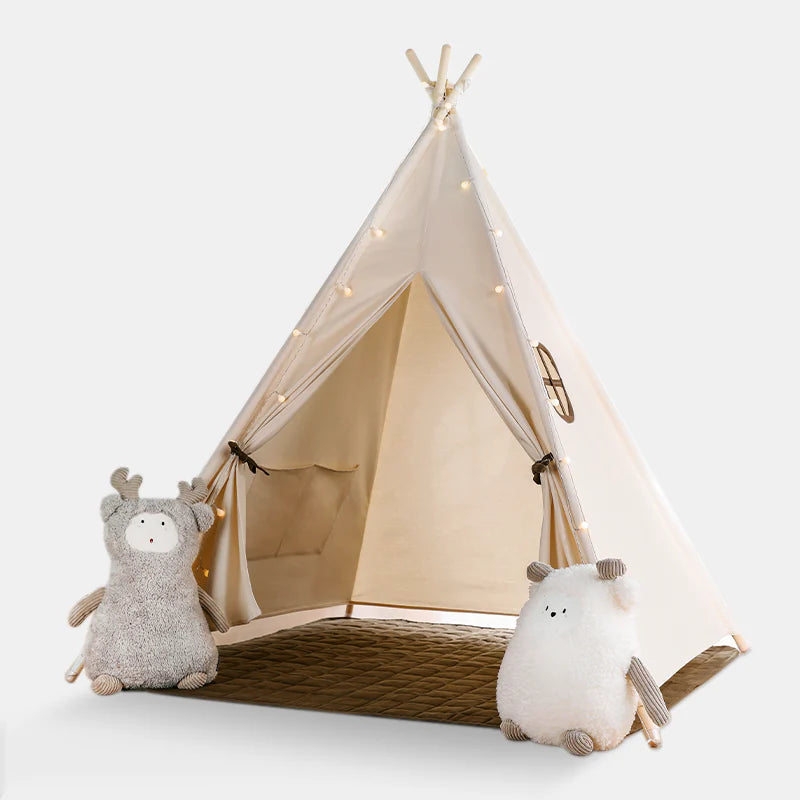
When the rain comes, our first thought is to relax and embrace laziness, but that doesn't necessarily have to be the case. With the right setup—especially well-designed play tents for children—you can transform cloudy weather into a wonderful opportunity for creativity. Indoor play tents provide an environment where children can explore, learn, and stay entertained for hours. In this guide, we’ll share low-mess tent activities, simple reading-corner ideas, STEM-inspired play prompts, and an easy routine to keep the tent tidy and ready for the next adventure.
10 Low-Mess Tent Games
When the weather forces you to stay indoors, the last thing you want to do is more cleaning than necessary. These low-cost games will keep your kids engaged inside their indoor tent play while you keep your home clutter-free.
Here are some ideas:
1. Art and crafts projects
With just a pencil and some crayons they can paint, coloring, drawing, origami and collages. Providing kids with a table full of string, pasta, stickers, googly eyes and other odds and ends can result in small masterpieces.
2. Shadow Puppets
With a little imagination and simple materials like cardboard and markers, you can build the silhouette of animals (or any object) and glue it to a skewer stick, then with a flashlight you can recreate a theater and create stories.
3. Tell Riddles
Using a book or a list, take turns guessing these tricky brain teasers. It encourages logic and critical thinking skills and gives young minds a great workout.
4. Go on a Hunt
Hide paper “treasures” around the tent—simple drawings, numbers, or letters—and let your child find and sort them. This boosts memory skills without needing any bulky toys.
5. Break out the Board Games
Games like Go Fish, Old Maid, or matching pairs work perfectly in the small, cozy environment of a play tent for kids.
6. “I Spy” Tent Edition
Choose objects that are only visible inside the tent, such as colored pencils, paper shapes, or textures. This will help improve observation skills.
7. Do a Yoga Session
A few slow stretches or easy yoga poses make a perfect indoor activity and help release extra energy on rainy days.
8. Ask Questions
While you're inside the tent with your little one, you can ask them questions about a specific topic. They can switch roles and you can ask them questions too.
9. Story Cubes
Use dice with pictures or words to prompt silly adventure stories. Roll them inside the tent and let your child narrate what happens next. Telling stories allows the child's brain to develop and improves memory.
10. Sound Guessing Game
You can create indoor sound guessing games for a play tent by hiding objects and guessing them by sound, playing "hide-and-seek" based on sounds, or creating a "sound hunt" where players identify specific noises.
The possibilities for fun are endless, there are no excuses not to try two or three games and before you know it, many hours of fun will have passed!
Reading Corner Setup
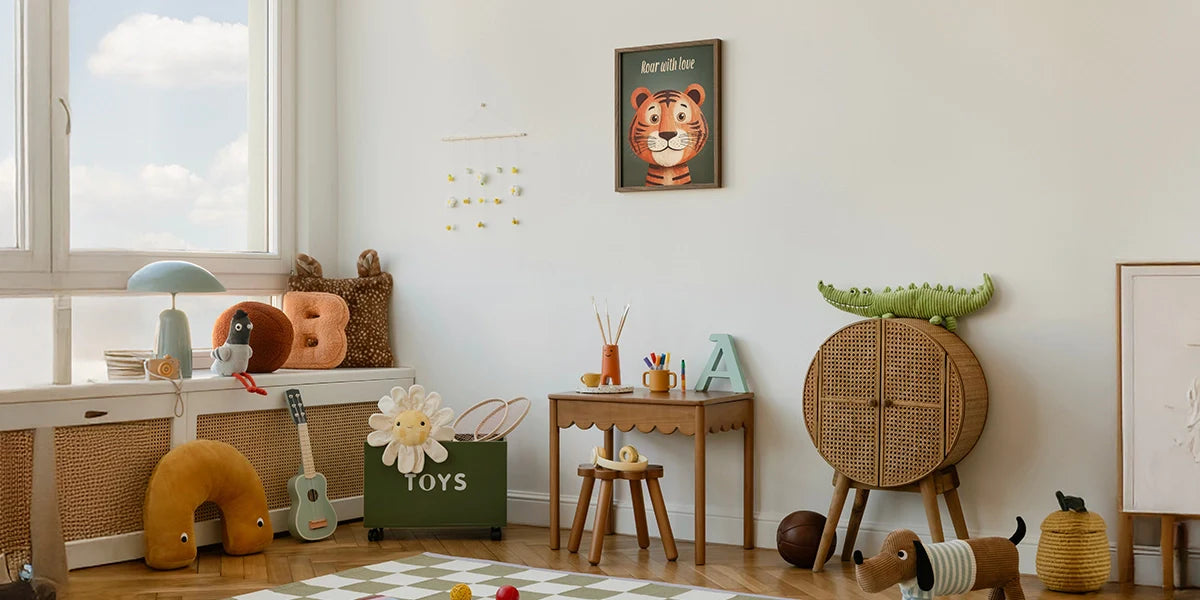
Your play tent can be transformed into a quiet reading oasis - perfect for those days when the rain catches you and you can't leave the house. We can share some tips that will help you create the perfect corner for your children to read their favorite book in the comfort of their tent:
· Create a comfortable space: Start with a soft rug, then you can add some furry cushions or beanbags inside the tent to create that cozy atmosphere for reading.
· Set the mood with good lighting: Add battery-operated flashlights, string lights, or soft clip-on lights. Avoid bright lights; the lighting should be warm to encourage reading. You can also add their favorite stuffed animals or toys to make this corner more personal.
· Add shelves or a mini basket: You can place a small basket with 6 or 8 books. You should rotate them each week to maintain motivation.
· Personalized decoration: Encourage your children to add small details such as a drawing, a picture or simply their favorite blanket, to accompany them while they read.
· Keep the reading interactive with these topics:
◦ Nature Camp-Out: Books about birds, insects, trees, rocks, or National Parks.
◦ Fairy tales and princesses: Focus on fantasy, fairy tales, or books with magical themes.
◦ Space Exploration: Select books about planets, stars, or the solar system.
This gives your child the curiosity to check every time they enter the store.
STEM in a Tent
First, let's clarify what STEM activities are. It's an educational and learning approach that integrates concepts from science, technology, and mathematics to encourage critical thinking and analytical skills in children. With this concept clear, why not incorporate it into your child's tent? STEM activities don’t require big kits or complicated materials. A small indoor tent is the perfect place for quiet exploration and hands-on learning.
· Magnetic blocks: You can use a tray and build shapes or patterns with magnetic blocks. Encourage them to create structures and, at the same time, explain how metal attraction works.
· Counting & Sorting Cups: Use small containers to practice counting beans, seeds, or buttons. These materials stay contained inside the tent for easy cleanup.
· Build-a-Bridge Challenge: Build the tallest tower possible using blocks or other recycled materials, discussing balance and stability as you go.
· Paper Plane Challenge: Make a few different paper planes and test how far each one flies. Which design works best, and why? The concepts you can explain in simple words are physics and testing the hypotheses they make about it.
· Following instructions: You can give your child cards with simple instructions like “Move left,” “Jump twice,” “Walk two steps,” and let them follow the directions as if they were following a map inside the tent. This will help them develop sequencing and logic skills.
Storage & Reset Routine
A key part of successfully setting up a rainy-day tent is keeping everything simple, clean, easy, and ready to repeat. We can share a routine to keep your tent ready for the next round of fun:
The rule of three items: Allow only three categories in the tent at a time, such as books, stuffed animals, or STEM activities. This prevents clutter and avoids making too many decisions simultaneously.
Use soft containers: Using fabric containers that fit inside or around the tent will help keep things organized, and if you label them, it will be even better for your little ones as they will be able to identify what is inside and what needs to be put away.
An excitement sorting game: You can add extra fun while they're tidying up with a game where you clean up against a timer, like a race. The kids will love it.
Cleaning: Every time you use the play tent, be sure to clean the fabric, poles, and carpet with a soft cloth to prevent dirt from accumulating.
Weekly activity rotation: Change the games, books, or STEM activities once a week to keep the tent feeling fresh and give children a chance to get excited without having to buy new things.
Fold & Store (if needed): Simply collapse it and slide it behind a couch or into a closet between uses. This prevents crowding and keeps the play area tidy.
Conclusion
Rainy days don't necessarily mean your routine is ruined. The idea is to fill that leisure time with something creative: With a cozy play tent for kids, you can create a self-contained world of imagination, comfort, and learning. Low-mess games keep the energy high without overwhelming your space, while reading corners and simple STEM prompts make the tent a place for growth and calm. And with a smart reset routine, your indoor play tent becomes the perfect go-to activity anytime the weather turns gloomy—or whenever your child needs a peaceful haven.