
Besrey - Apr 25 2026
Is a Balance Bike Good for an 18-Month-Old? What Parents Should Know

Choosing the right time to introduce a balance bike is crucial for toddlers. Many parents ask, “What age for balance bike is ideal?” While the average age for a balance bike is around two years old, toddlers as young as 18 months can start with the right guidance and equipment. The key is not just age but a combination of physical readiness and developmental milestones.
Is 18 Months Too Early for a Balance Bike?
The decision of whether an 18-month-old can start with a balance bike for 2-year-old typically depends on the child’s physical development. At this age, some children are ready to begin learning balance skills, but this doesn't mean every toddler will be ready at the same time. The ability to walk steadily, as well as curiosity about moving on their own, are clear signs that a toddler might be ready for their first balance bike.
Signs an 18-Month-Old Is Ready to Start
Not every 18-month-old is ready to start riding, and there are a few physical indicators parents should look for:
● Walking confidently: The toddler should be walking independently, with minimal stumbles.
● Curiosity about movement: If they are interested in pushing toys or ride-on toys, it may be time for a balance bike.
● Climbing abilities: Many children at this age can climb onto furniture, indicating developing motor skills.
● Stable balance: If they’re able to stand on one foot for a few seconds, they likely have the stability needed for a balance bike.
If your toddler is still mastering basic walking skills, it may be best to wait a few more months before introducing a balance bike.
Balance Bike Readiness by Age and Development Stage
At 18 months, the goal isn't to have toddlers zooming around—it’s about laying the foundation for balance and coordination. Many parents will find that balance bike readiness will become more apparent as their child reaches closer to the 2-year mark. By this time, toddlers typically have improved coordination, balance, and confidence to handle a balance bike.
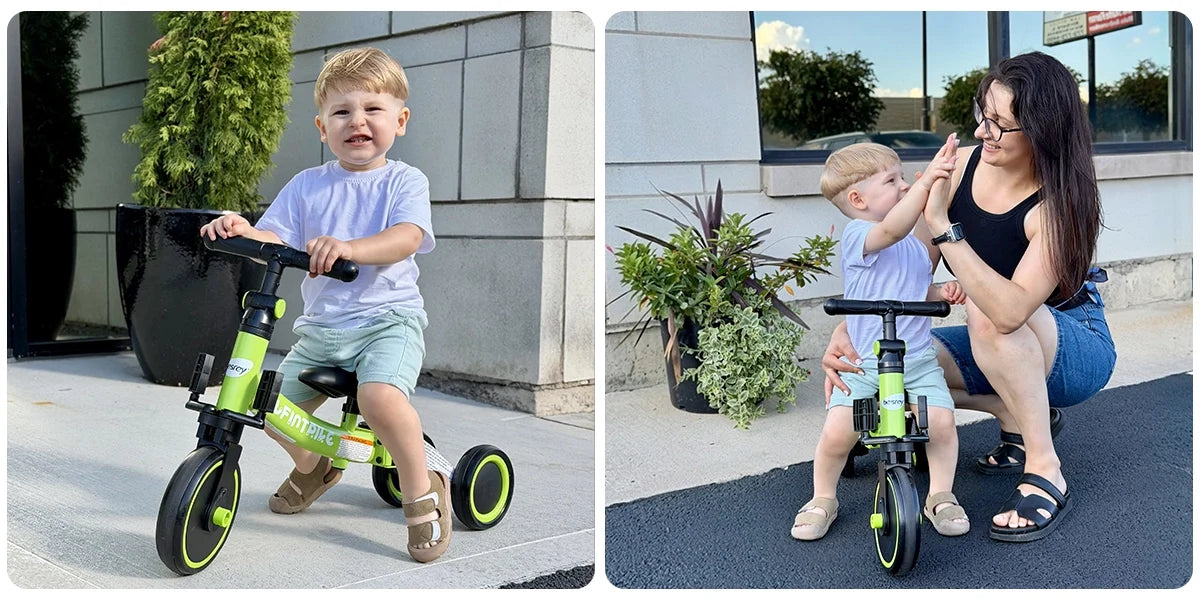
A balance bike for 2 year old provides an ideal opportunity for toddlers to practice using their legs for forward motion while learning how to steer and balance.
Choosing the Right Balance Bike Size for Younger Toddlers
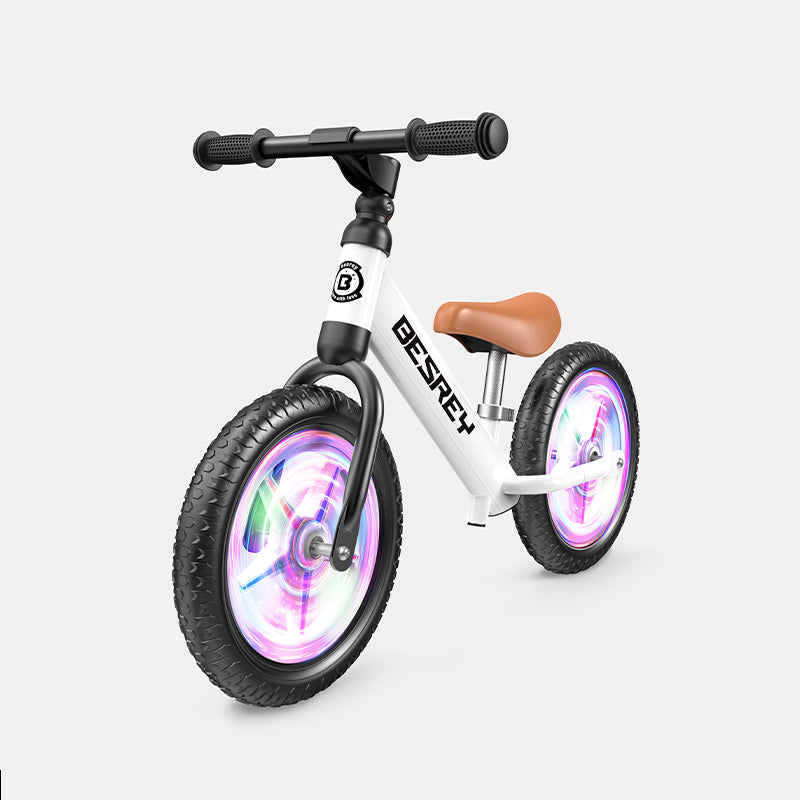
When selecting a balance bike for a younger toddler, size is crucial. Look for models designed with the following features:
● Adjustable seat height that allows both feet to rest flat on the ground
● Lightweight frame for easy handling
● Puncture-proof tires for durability and smoother rides
● Limited turning radius to avoid sharp, sudden turns that could cause falls
● Easy-to-grip handlebars for greater control
Finding the right size balance bike ensures that your toddler feels comfortable and confident. A too-large bike will hinder progress, while a properly sized one will promote smoother learning and balance development.
Common Mistakes Parents Make When Starting Too Early
One of the most common mistakes parents make when introducing balance bikes too early is choosing a bike that’s too large or heavy. Overly large bikes can be intimidating for toddlers, leading to frustration or a lack of interest in riding. Another mistake is rushing the child to ride without giving them enough time to develop their balance and coordination at their own pace.
The best advice is to let your toddler lead the way. If they are interested in the balance bike, introduce it gradually, and provide support while they learn to balance, steer, and move forward.
Conclusion
A balance bike is an excellent tool for toddlers, promoting balance, coordination, and independence. While 18 months may seem early for some, many toddlers are ready to begin learning at this age. The key is ensuring your child is developmentally ready and selecting the right size and type of bike for their skills. By avoiding common mistakes and allowing your toddler to progress at their own pace, you can make the balance bike experience enjoyable and beneficial for both parent and child.
Article credit:
American Academy of Pediatrics. Bicycle Safety: https://www.healthychildren.org
Two Wheeling Tots. Balance Bike Age Guide: https://www.twowheelingtots.com
Consumer Product Safety Commission. Riding Toy Safety: https://www.cpsc.gov