
Besrey - Mar 27 2026
Toddler Refuses a Helmet? A Step-Down Plan That Avoids Battles

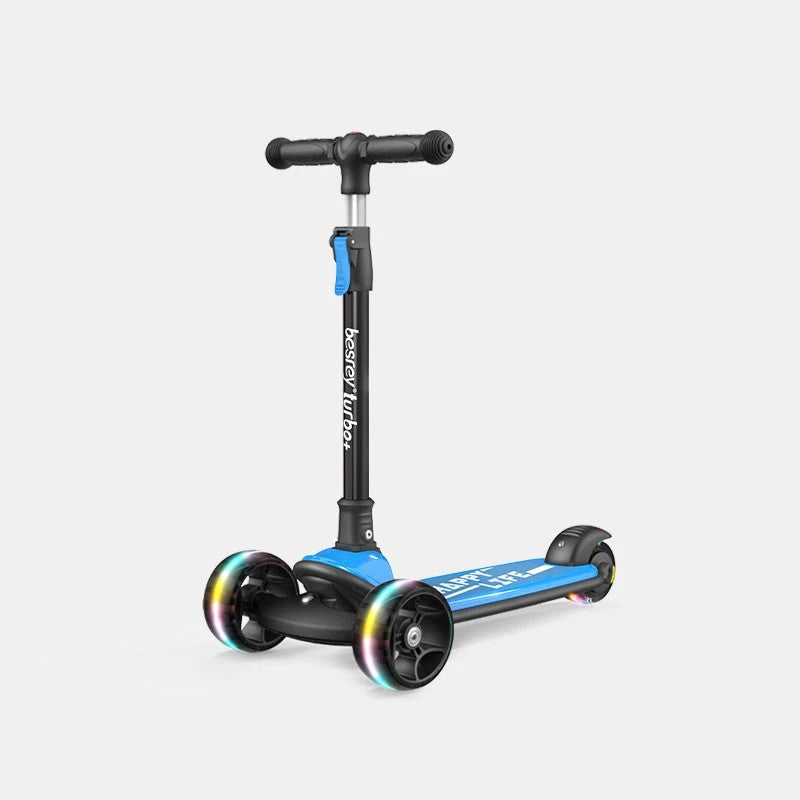
That moment is such a classic parenting challenge—it’s the clash between freedom and safety. Toddlers see the scooter as pure fun, a symbol of independence and adventure. But the helmet? To them, it feels like an interruption, a restriction, or even a distraction from the excitement on their new 3-wheel scooter. Helmet use is non-negotiable, but when we enforce it, tantrums, tears, and power struggles ensue. How can we change this? With a step-down plan, you can gradually teach your child to accept a helmet without battles.
This article will walk you through why toddlers resist helmets, how to fix fit issues first, and how to build a routine that makes helmets part of the fun.
Why Toddlers Resist Helmets
Toddlers’ resistance to helmets is rarely just “stubbornness.” It’s rooted in both physical realities and developmental psychology, which makes the struggle more complex than it looks.
Physical discomfort: Helmets may feel heavy, tight, or itchy, straining sensitive neck muscles.
Improper fit: A too-large helmet can slip over their eyes, blocking vision and causing frustration.
Sensory issues: Chin straps feel restrictive or irritating, making fastening a battle.
Overheating: Poor ventilation leads to sweat and discomfort during active play.
Autonomy drive: Toddlers want control; being forced to wear a helmet feels limiting.
No risk awareness: They can’t grasp the abstract idea of injury prevention.
Appearance concerns: Some dislike how they look in a helmet, feeling “uncool.”
Understanding these reasons will allow us, as parents, to approach the situation with empathy rather than frustration.
Step 1 — Fix Fit Before You Fix Behavior
Helmet resistance often gets mislabeled as “stubbornness,” but in reality, toddlers are reacting to genuine discomfort or sensory overload. Quick Helmet Fit Rules:
1. Level & Low: Helmet sits level, about two finger-widths above the eyebrows—never pushed back like a hat.
2. “V” for Ears: Straps form a neat “V” just below each earlobe to avoid rubbing or twisting.
3. One-Finger Chin Check: Strap snug but not choking—fit one finger between strap and chin.
4. No Pinch: Place fingers behind the buckle when fastening, or use pinch-free magnetic buckles.
5. Lightweight Only: Choose toddler-specific helmets; heavy models strain neck muscles and cause fatigue.
Parents searching how to get a toddler to wear a scooter helmet should start here—comfort is the foundation.

Step 2 — Build a Helmet Routine Off the Ride
If the only time they see the helmet is right before a ride, it becomes a "trigger" for a power struggle. Instead, make the helmet part of everyday play. How?
1. Open Access: Keep the helmet in their play area so it feels familiar.
2. Mirror Play: Use dress-up time—wear yours too and make it a silly game.
3. Stuffed Animal Model: Let a teddy “wear” the helmet to normalize it.
4. Practice the Click: Let them play with the buckle to reduce fear.
5. Short Missions: Have them wear it briefly indoors during fun activities.
6.Sticker Customization: Let them decorate it so it becomes their special helmet.
The key takeaway: normalization turns the helmet from a symbol of restriction into a symbol of adventure.
Step 3 — Use a Step-Down Plan, not a Power Struggle
If a toddler screams “No!” at the helmet, forcing it only escalates the conflict. A Step-Down Plan works better—breaking the process into small wins that build comfort and cooperation.
Step-Down Plan for Helmet Battles
1. Short-Burst Timer: Wear for 2 minutes, then break—discomfort feels temporary.
2. Walk Before Ride: Keep helmet on but switch to walking, easing them in.
3. Choice Transition: Offer two “yes” options so they feel in control.
4. Pit Stop: Pause mid-ride for a quick head break, then resume.
5. Natural Consequence: If resistance continues, calmly end the session—no helmet, no ride.
This keeps the process clear, practical, and easy for parents to follow.

When the Problem Is More Than “Behavior”
Sometimes helmet resistance isn’t about defiance at all—it can stem from sensory processing differences or physical issues. For some toddlers, the snug fit feels like crushing pressure (sensory overload), the added weight disrupts balance (vestibular challenges), or a brim blocks vision (peripheral anxiety). Past trauma, like a painful buckle pinch, can also trigger fear. In these cases, solutions include softer straps, lighter infant-specific helmets, low-profile designs, or even switching styles entirely. If resistance extends to hats, clothing tags, or textures, consulting a pediatric occupational therapist can help with tailored strategies to ease sensory stress.
Conclusion
Teaching your children how to use a helmet correctly shouldn't be a daily battle. By fixing fit issues first, parents remove the physical discomfort that fuels resistance. Building a routine off the scooter helps toddlers see the helmet as normal play gear, not a restriction. Using a step-down plan then eases cooperation, turning the helmet into a natural part of their adventure.
Teaching your children how to use a helmet correctly shouldn't be a daily battle. By fixing fit issues first, parents remove the physical discomfort that fuels resistance. Building a routine off the scooter helps toddlers see the helmet as normal play gear, not a restriction. Using a step-down plan then eases cooperation, turning the helmet into a natural part of their adventure.
Article credit:
https://bimiboo.net/the-ultimate-guide-to-choosing-a-helmet-for-toddlers/#:~:text=Lighter%20helmets%20are%20the%20better,Ventilation
https://street-jam.com/insight/common-helmet-mistakes-parents-must-avoid/#:~:text=Another%20common%20mistake%20is%20putting%20the%20helmet,cooler%2C%20but%20this%20can%20be%20very%20risky.
https://www.healthychildren.org/English/safety-prevention/at-play/Pages/bicycle-helmets-what-every-parent-should-know.aspx
https://tinyhearts.com/blogs/toddler/helmets-save-lives#:~:text=The%202V1%20%E2%9C%85%202%20=%20Fingers%20Above,Correct%20Fit:%20%F0%9F%91%89%20Adjustability:%20%F0%9F%91%89%20Comfort%20Features:
https://www.smarterparenting.com/what-is-smarter-parenting-faqs/#:~:text=Second%2C%20they%20(%20Your%20children%20)%20break,whatever%20you're%20dealing%20with%20into%20manageable%20steps.
https://www.berkeleyparentsnetwork.org/questions/how-stay-patient-3-year-old